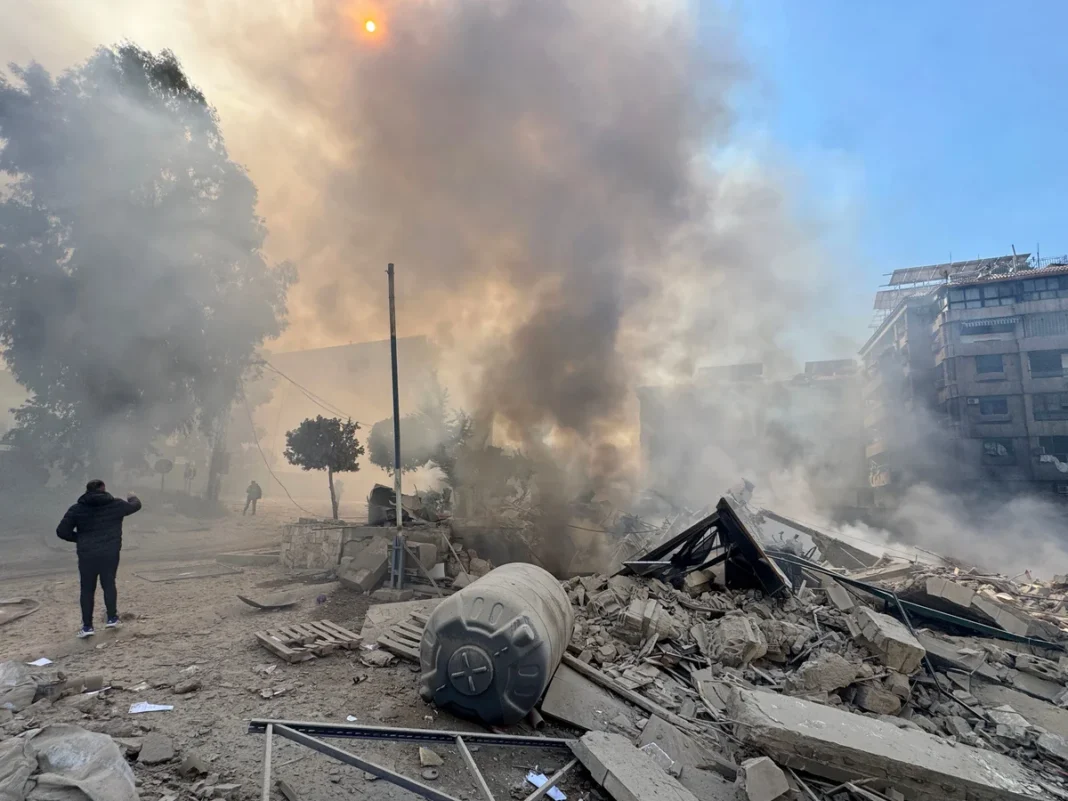

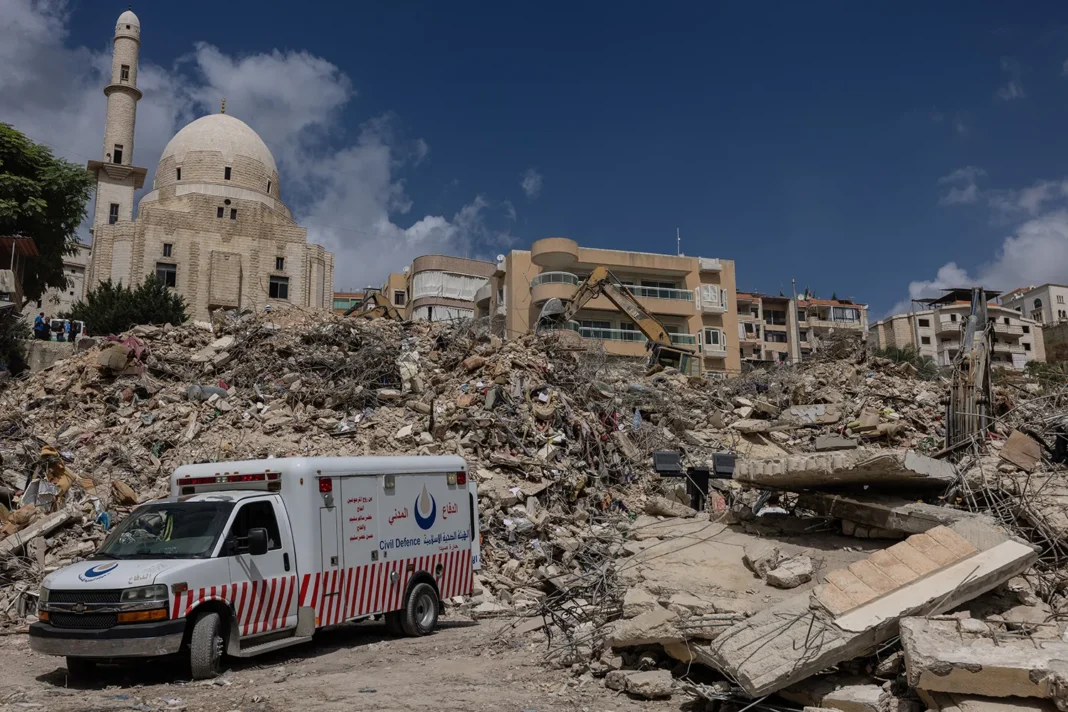
Israel Bombs Central Beirut as War With Iran Expands
The Middle East conflict has entered a dangerous new phase as Israel launched airstrikes on central Beirut, while the broader U.S.–Israeli campaign against Iran crossed 6,000 airstrikes. The escalation comes as Iran and its regional allies intensify retaliatory attacks, raising fears of a multi-front regional war.
The strikes mark one of the most significant Israeli operations in Lebanon’s capital in recent years and signal that the conflict is expanding beyond Iran itself to include Iranian-aligned groups across the region.
What Happened
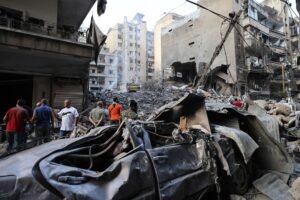
Israeli aircraft carried out strikes in central Beirut, targeting locations believed to be linked to Hezbollah, Iran’s key proxy force in Lebanon. Some strikes hit areas near government buildings and urban neighborhoods, resulting in civilian casualties and further destruction in the Lebanese capital.
The attacks came shortly after Hezbollah launched a massive wave of rockets and drones toward Israel in coordination with Iran. Reports indicate that more than 200 rockets and drones were fired into Israeli territory during the latest round of attacks.
Israel responded with an expanded air campaign across Lebanon, including southern regions and Beirut itself, warning residents to evacuate large areas amid fears of further strikes.
Meanwhile, the broader war has intensified dramatically. According to U.S. officials, the joint campaign against Iran has now surpassed 6,000 airstrikes on Iranian military and infrastructure targets since the conflict began.
Why the Conflict Is Escalating
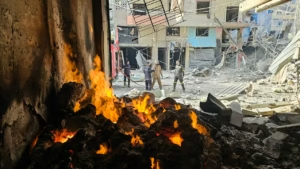
The escalation is closely linked to the broader 2026 Iran war, which erupted after the assassination of Iran’s supreme leader and subsequent U.S.–Israeli strikes on Iranian military infrastructure.
Iran has since mobilized its regional network of allied groups—including Hezbollah—to pressure Israel on multiple fronts.
Several factors are driving the escalation:
-
Proxy Warfare: Hezbollah’s missile attacks are part of Iran’s strategy to open additional fronts against Israel.
-
Strategic Retaliation: Tehran has vowed revenge for the deaths of Iranian leaders and military officials.
-
Regional Signaling: By striking Beirut, Israel aims to deter Hezbollah and limit Iran’s influence in Lebanon.
This dynamic has transformed the conflict from a direct Israel-Iran confrontation into a regional proxy war stretching across multiple countries.
Humanitarian and Regional Impact
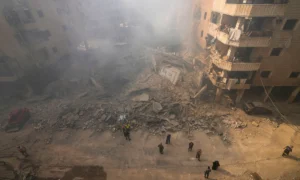
The war is already causing severe humanitarian consequences.
-
Hundreds of people have been killed in Lebanon since the latest escalation.
-
Hundreds of thousands of civilians have been displaced, with evacuation orders covering large parts of southern Lebanon.
Lebanon’s government has appealed for international intervention and a ceasefire, warning that the country risks sliding deeper into instability as the conflict intensifies.
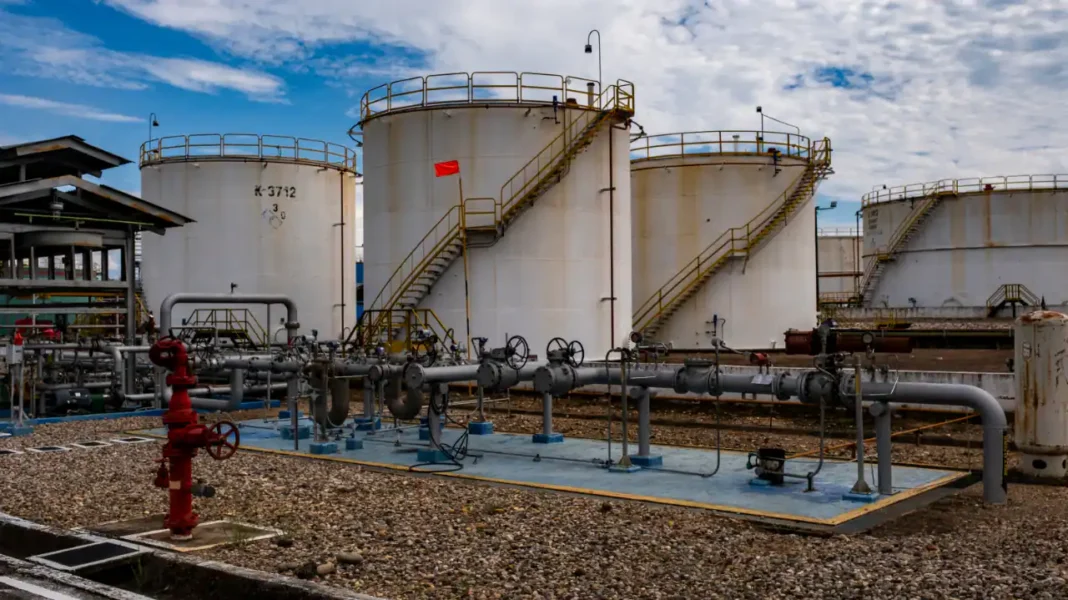
Beyond Lebanon, the conflict is affecting global markets and shipping routes. Iran’s threats against energy infrastructure and shipping lanes—including the Strait of Hormuz—have pushed oil prices higher and raised fears of global economic disruptions.
Strategic Implications
For Israel, striking Beirut sends a clear message that it is willing to expand operations against Hezbollah if attacks continue.
For Iran, escalating through proxy forces allows it to pressure Israel and its allies while avoiding a direct large-scale confrontation.
However, the biggest risk now is regional spillover. If Hezbollah expands its attacks or if Israel launches a ground operation in Lebanon, the conflict could widen to include additional actors across the Middle East.
Global powers including the United States, Russia, and China are already involved diplomatically, but meaningful de-escalation remains uncertain.
The Bottom Line
Israel’s strike on central Beirut and the milestone of 6,000 airstrikes on Iran highlight how rapidly the conflict is intensifying. With Iran promising further retaliation and Hezbollah opening a northern front, the Middle East now stands at the edge of a broader regional war.
The coming weeks will determine whether diplomacy can contain the crisis—or whether the conflict will expand into one of the largest wars the region has seen in decades.
our page @tejwas_ for daily updates.
More from world;