
Strategic Context
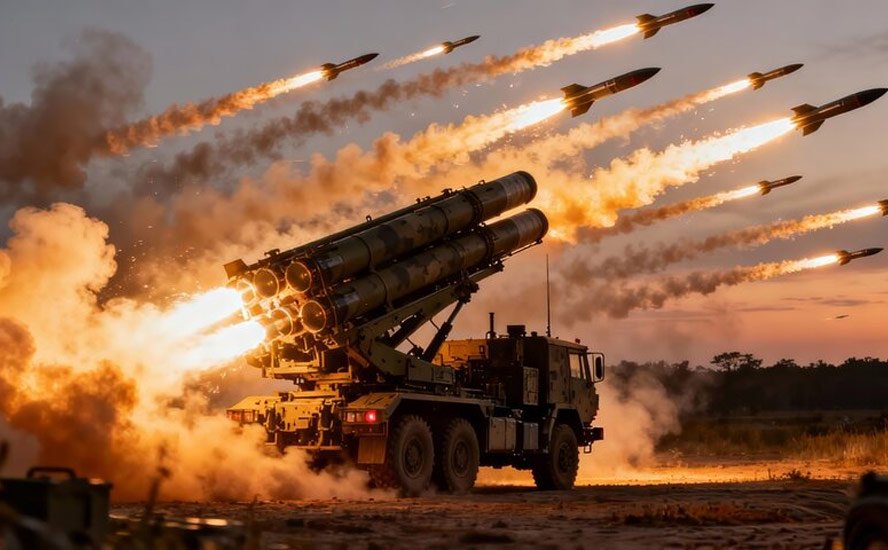
Rising geopolitical tensions across West Asia are increasingly spilling into civilian infrastructure. The ongoing confrontation involving Iran, the United States, and Israel has triggered missile and drone strikes across the Gulf region, raising serious concerns about aviation safety and regional stability.
Against this backdrop, a drone incident near one of the world’s busiest international aviation hubs has once again highlighted how modern conflicts are blurring the line between military targets and civilian spaces.
What Happened

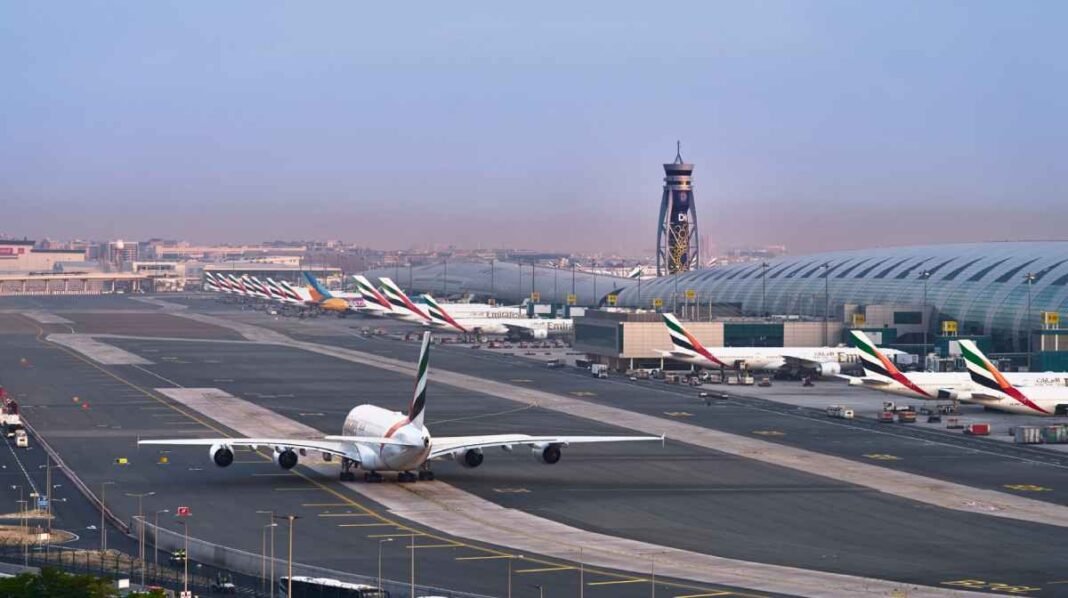
On March 11, 2026, two drones fell near Dubai International Airport, leaving four people injured. Authorities confirmed that the drones landed in the vicinity of the airport, causing injuries but no major structural damage to the airport facilities.
Among the injured were two Ghanaian nationals, one Bangladeshi national, and one Indian national. While three of the victims sustained minor injuries, the Indian national reportedly suffered moderate injuries but is currently out of danger.
Despite the alarming nature of the incident, airport authorities stated that air traffic operations continued normally after a brief safety check. Flights were temporarily paused but quickly resumed, preventing major disruptions at the busy global transit hub.Dubai officials launched an investigation to determine the origin and purpose of the drones, amid growing regional fears of drone and missile attacks targeting Gulf infrastructure.
Why It Matters
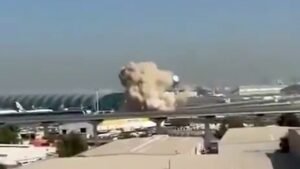
The drone incident comes amid a broader escalation in the ongoing Iran-related conflict in the Middle East. Since late February 2026, the United Arab Emirates has faced numerous missile and drone threats as part of a wider regional confrontation triggered by military strikes involving Iran, Israel, and the United States.
Airports are particularly sensitive targets in modern conflicts. Dubai International Airport serves as one of the world’s busiest international travel hubs and a critical transit point connecting Asia, Europe, and Africa. Even a minor disruption at the airport can ripple across global aviation networks.
The incident has already intensified concerns within the aviation industry. Several airlines operating across the Gulf have rerouted or delayed flights due to fears of airspace insecurity and potential drone threats.
Regional and Global Implications
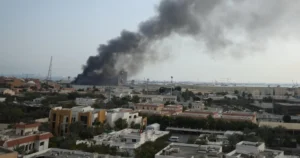
The attack also highlights the increasing role of drones in modern warfare. Unmanned aerial systems have become a preferred tool for asymmetric attacks because they are relatively inexpensive, difficult to detect, and capable of bypassing traditional air defenses.
For Gulf states, protecting critical infrastructure such as airports, ports, and oil facilities is becoming increasingly challenging as drone technology becomes more accessible.
For India, the incident carries additional importance due to the large Indian diaspora in the Gulf region. Millions of Indian workers, professionals, and travelers pass through Dubai every year, making the security of the airport a matter of direct concern for New Delhi.
Strategic Outlook

The Dubai drone incident may appear minor in isolation, but it reflects a broader trend: modern conflicts are increasingly targeting economic infrastructure and transportation networks rather than purely military installations.
If tensions in West Asia continue to escalate, aviation hubs, shipping routes, and energy infrastructure across the Gulf could face greater security risks.
For policymakers and strategic analysts, the event serves as a warning that regional conflicts now have immediate global economic consequences—from aviation disruptions to energy market volatility.As drone warfare becomes more widespread, protecting civilian infrastructure will likely become one of the central security challenges of the coming decade.
Follow our page @tejwas_ for daily updates.
More from world;