What Happened
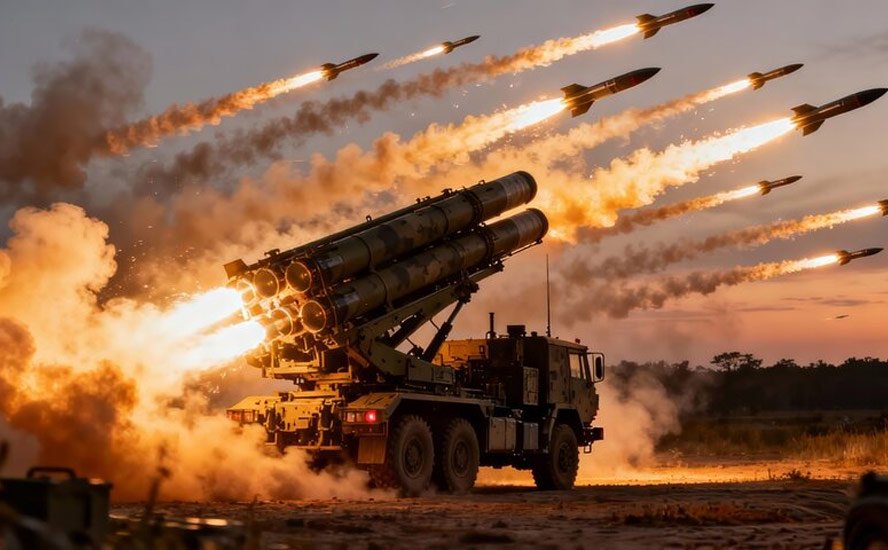
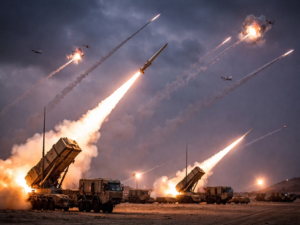
Iran launched waves of missiles and drones across multiple Gulf countries, targeting military bases, shipping routes, and strategic infrastructure. According to regional defense officials, several Gulf states activated air defense systems to intercept incoming projectiles.
In one of the latest developments:
-
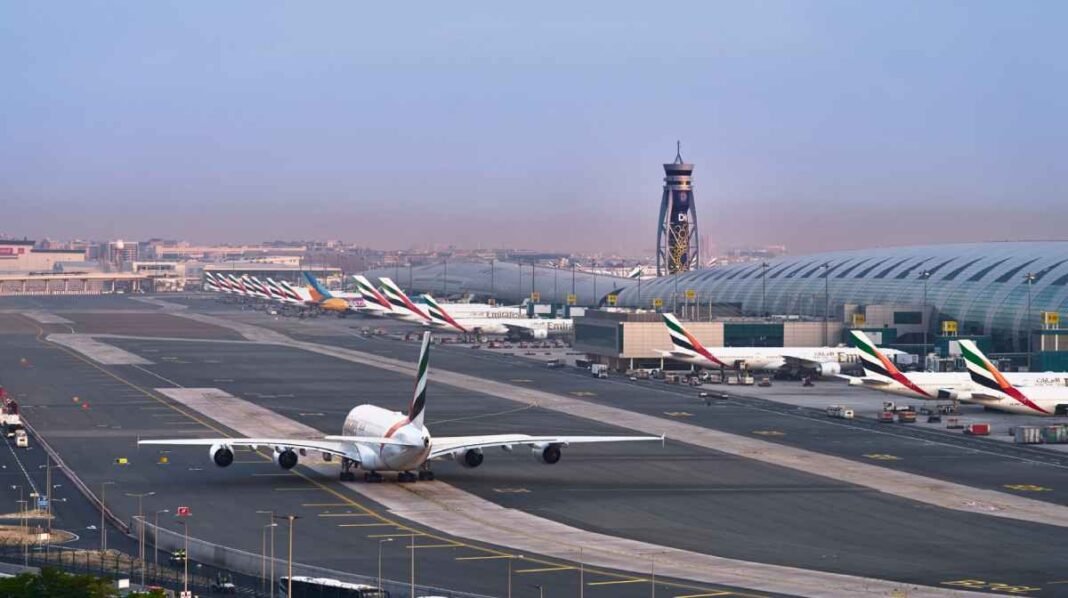
Iranian drones struck near Dubai International Airport, injuring several people but not halting airport operations.
-
Commercial shipping in the Persian Gulf was targeted, including cargo vessels near the Strait of Hormuz.
-
Air defense systems in Gulf states intercepted numerous drones and ballistic missiles launched from Iran.
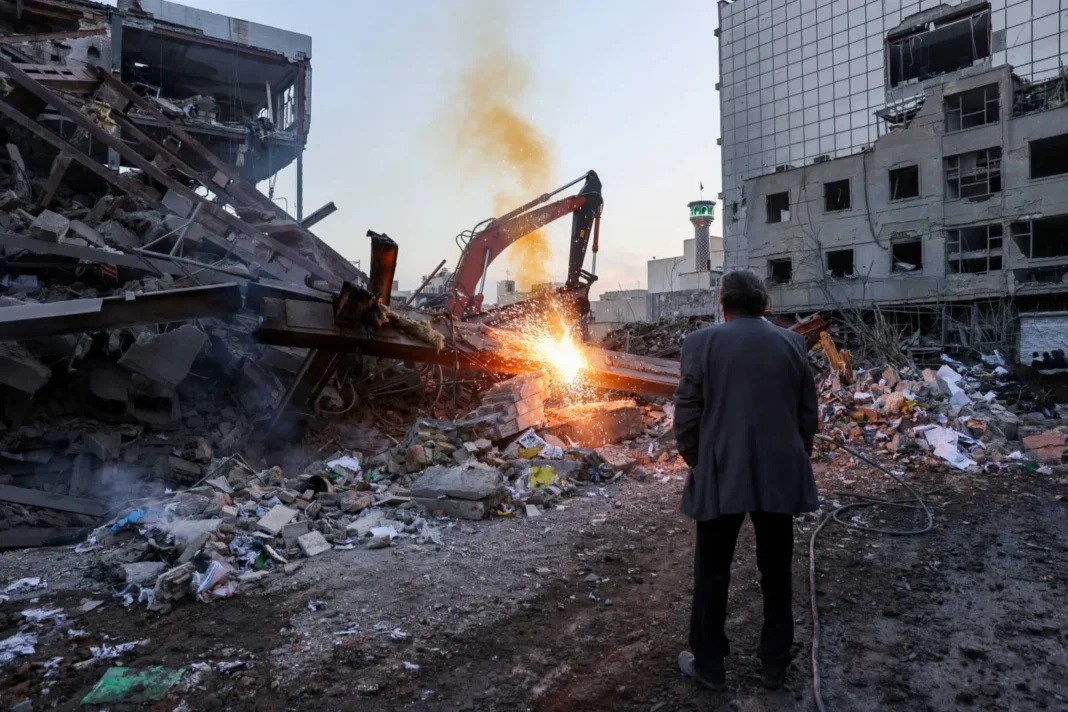
The attacks are part of what Iran described as a continuing wave of retaliation following U.S. and Israeli strikes on Iranian territory.
Tehran Threatens Economic Retaliation
Beyond military targets, Iranian officials have issued a stark warning: financial institutions and economic interests linked to the U.S. and Israel in the Gulf may be targeted next.
Iran’s military command specifically mentioned potential strikes on banks and financial hubs in cities such as Dubai, Bahrain, and Saudi Arabia, signaling a shift toward economic warfare.
Such threats raise concerns because the Gulf region hosts:
-
Major global energy infrastructure
-
International financial centers
-
Critical shipping lanes for oil and gas
Disruptions in these areas could trigger a global economic shock.
Energy Infrastructure Under Pressure
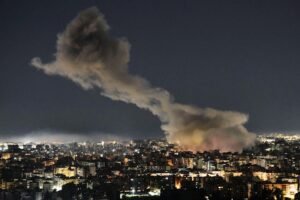
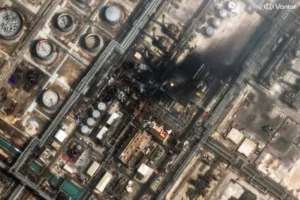
Energy facilities across the Gulf have already faced threats during the conflict.
Drone strikes and missile attacks have previously targeted oil refineries, LNG facilities, and ports, causing temporary shutdowns and disruptions in supply chains.
The conflict has also impacted shipping through the Strait of Hormuz, a narrow waterway through which roughly 20% of the world’s oil supply passes.
Any sustained disruption in this corridor could push global oil prices sharply higher and destabilize international energy markets.
Regional and Global Implications
Iran’s widening campaign across Gulf countries marks a strategic escalation in the conflict. Instead of focusing solely on Israel or U.S. forces, Tehran appears to be targeting the broader regional ecosystem that supports Western military and economic influence.
This strategy carries several implications:
-
Regionalization of the war: Gulf states may become direct participants if attacks continue.
-
Energy market volatility: Oil and gas supply chains are increasingly vulnerable.
-
Economic warfare: Financial infrastructure could become the next battlefield.
If these attacks intensify, the conflict risks evolving into a full-scale regional war that disrupts global trade, energy security, and financial markets.
Strategic Outlook
Iran’s missile and drone campaign demonstrates its ability to project power across the Gulf despite sustained U.S. and Israeli strikes. However, targeting economic infrastructure could provoke stronger retaliation from Western powers and regional allies.
For now, the region remains on edge as the conflict moves from a military confrontation toward a broader strategic and economic war.
Follow our page @tejwas_ for daily updates.
More from world;