
Introduction: History Erased in an Instant
In a strike that is as historically significant as it is militarily consequential, the United States Air Force has targeted and destroyed the world’s last surviving KC-747 — a converted Boeing 747-131F aerial tanker — at Mehrabad International Airport in Tehran, Iran. Footage of the aircraft engulfed in flames has circulated widely, marking the end of an era in aviation history.
This was not just a military asset. It was the last flying example of the early Boeing 747-100 series still in active service — a relic of 1970s aerospace engineering and a machine that had outlasted virtually every aircraft of its generation.
What Was the KC-747?
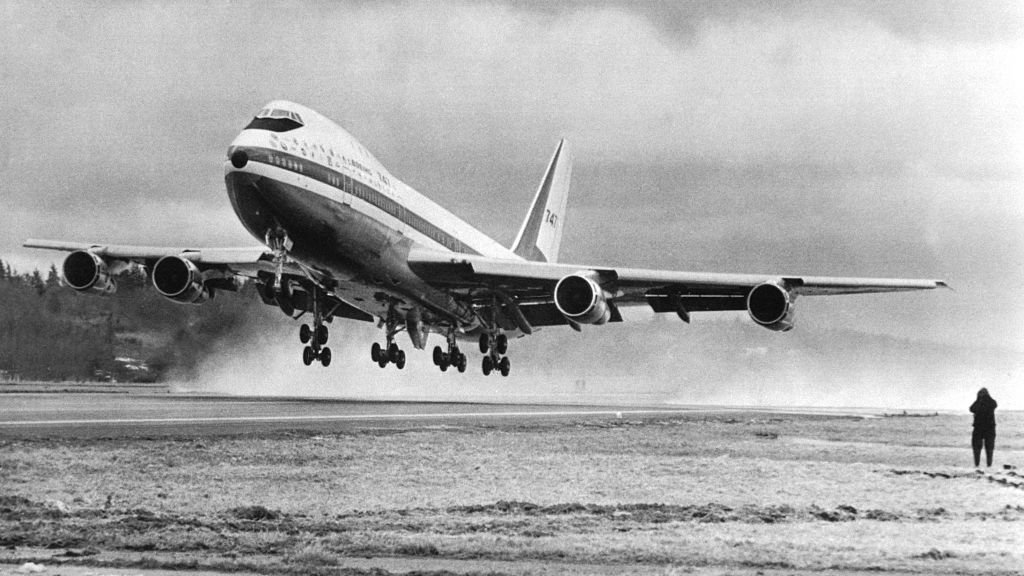
The KC-747 was a highly modified Boeing 747-131, originally manufactured and delivered to the Iranian Air Force in the 1970s — before the Islamic Revolution of 1979. The aircraft was converted from a commercial freighter configuration (747-131F) into an aerial refuelling tanker, giving Iranian long-range aircraft the ability to extend their operational reach significantly.
The Boeing 747-100 series was the original variant of the iconic jumbo jet, first introduced in 1970. By 2026, virtually every example of the 747-100 had been retired, scrapped, or placed in museum storage. The Iranian KC-747 was, remarkably, still in operational service — making it not just a military asset but a living piece of aviation heritage.
The Strike: What Happened at Mehrabad
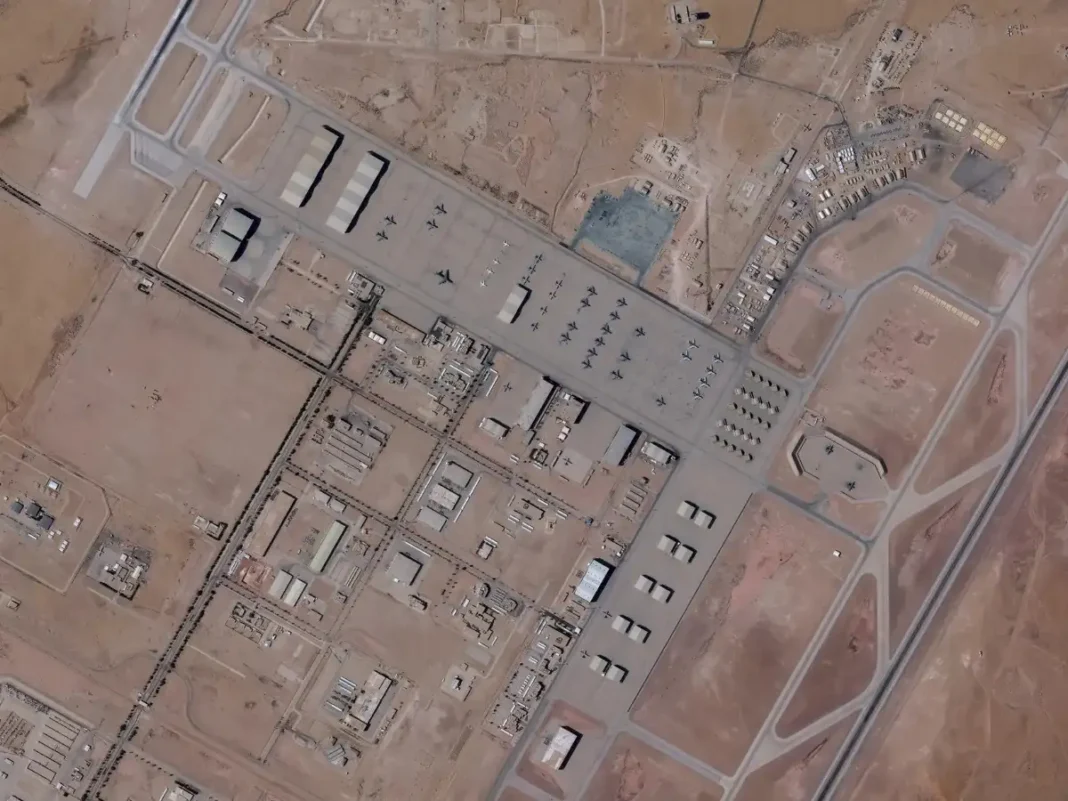
Mehrabad International Airport, located in western Tehran, is one of Iran’s busiest aviation hubs and also hosts Iranian Air Force assets. The U.S. airstrike targeted the KC-747 directly on the tarmac, with footage showing the aircraft engulfed in a massive fire following the impact.
The strike is believed to be part of a broader U.S. military operation — identified under the operational designations #OperationEpicFury and #OperationLionsRoar — targeting Iranian military infrastructure and strategic assets. Striking a high-value, irreplaceable aircraft like the KC-747 at a dual-use civilian-military airport sends an unmistakable message about the reach and precision of U.S. military power.
Strategic Significance of the KC-747
Aerial refuelling tankers are among the most strategically valuable assets in any air force. By destroying Iran’s KC-747, the U.S. has dealt a significant blow to Tehran’s ability to conduct long-range aerial operations. Without this tanker, Iranian fighter jets and bombers lose critical range and endurance — directly impacting their ability to project power across the region.
The loss of this aircraft cannot simply be replaced. There are no other KC-747s in existence. Iran would need to acquire or develop an entirely new tanker platform — a process that could take years and would face significant international sanctions-related obstacles.
Aviation History: The End of the 747-100 Era
Beyond the military implications, the destruction of this aircraft represents an irreversible loss for aviation history. The Boeing 747 revolutionised global air travel when it debuted in 1970, and the 747-100 series was the pioneer that started it all. By 2026, every commercial example had been retired. The Iranian KC-747 was the last one still flying operationally anywhere in the world.
Aviation historians and enthusiasts around the world have reacted with a mix of shock at the military strike and grief at the permanent loss of this irreplaceable aircraft. Unlike a retired aircraft that can be preserved in a museum, this one is gone — destroyed on a tarmac in Tehran.
International Reaction and Implications
The strike at Mehrabad — a civilian airport — is expected to draw significant international scrutiny. Questions will be raised about the legality of striking a dual-use facility and the risk to civilian aviation infrastructure. Iran has condemned the strike as an act of war and is expected to respond in kind through direct or proxy military action.
The operations — Epic Fury and Lions Roar — suggest a sustained, coordinated U.S. military campaign rather than a one-off retaliatory strike. The scope and ambition of these operations are likely to define the trajectory of U.S.-Iran relations for months to come.
Conclusion
The destruction of the world’s last KC-747 at Mehrabad Airport is a landmark moment — militarily, historically, and diplomatically. It marks a bold and irreversible escalation by the United States, a crippling blow to Iran’s aerial refuelling capability, and the permanent erasure of a unique piece of global aviation heritage. The skies over Iran — and the world — will never be quite the same.
🔴 History was destroyed today. The world’s last KC-747 is gone — and the conflict is far from over. Follow Tejwas for live coverage of Operation Epic Fury and Operation Lions Roar.
Also See –