
Introduction: A Dangerous Escalation
In one of the most alarming military incidents of 2026, an Iranian ballistic missile struck Prince Sultan Air Base in Al-Kharj, Saudi Arabia — landing dangerously close to a cluster of United States servicemembers stationed at the facility. Video footage confirming the impact has sent shockwaves through military and diplomatic communities worldwide.
Fortunately, initial reports indicate casualties were limited to minor injuries. However, the strike has dramatically heightened tensions in an already volatile Middle East and raised urgent questions about Iran’s military reach, intent, and the future of U.S. presence in the Gulf.
What Is Prince Sultan Air Base?
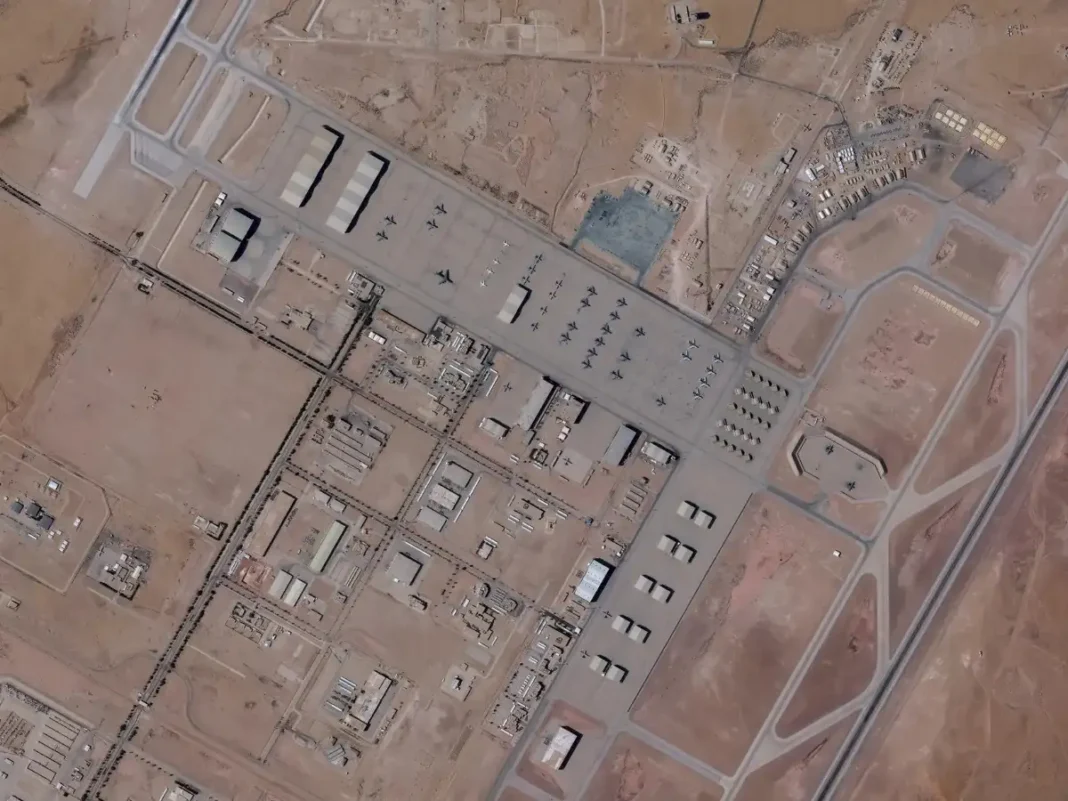
Prince Sultan Air Base (PSAB) is one of the most strategically critical military installations in the Middle East. Located approximately 75 kilometres southeast of Riyadh in the Al-Kharj region, the base serves as a key hub for U.S. Air Force operations in the Arabian Peninsula. It hosts thousands of American and coalition personnel, advanced fighter jets, surveillance aircraft, and logistics infrastructure that support operations across the entire region.
The base was previously used during Operation Desert Storm and has remained a cornerstone of U.S. military posture in the Gulf ever since. A successful strike on this facility — even one causing only minor injuries — is a significant symbolic and strategic blow.
The Missile Strike: What the Footage Shows
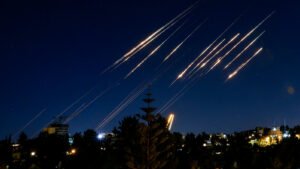
Purported video footage of the incident shows a ballistic missile impacting the base, with the point of impact alarmingly close to several U.S. servicemembers. Eyewitness accounts and early intelligence assessments suggest the missile was a medium-range Iranian ballistic missile, consistent with systems Iran has repeatedly test-fired and deployed in the region.
The fact that the missile landed as close as it did to active personnel — without causing mass casualties — is being described by analysts as either a matter of extraordinary luck or a deliberate calibration by Tehran to send a message without triggering a full-scale military response.
Iran’s Growing Ballistic Missile Arsenal
Iran has invested heavily in its ballistic missile programme over the past two decades, developing a range of short, medium, and long-range systems capable of striking targets across the Middle East and beyond. Notable systems in its arsenal include the Shahab series, Fateh-110, Zolfaghar, and the Fattah hypersonic missile — all of which have demonstrated increasing precision and range.
This latest strike demonstrates that Iran is both willing and capable of directly targeting U.S. military assets in the region — a major threshold that analysts have long warned could trigger a wider conflict.
U.S. and Saudi Response
As of the time of reporting, both the United States military and Saudi Arabian authorities have acknowledged the incident. U.S. Central Command (CENTCOM) confirmed the strike and stated that American forces are on heightened alert. Saudi officials are expected to convene an emergency security session in response.
Diplomatic channels between Washington, Riyadh, and Tehran are under immense strain. The incident is likely to accelerate U.S. calls for tougher sanctions and military deterrence posturing in the Gulf.
Why This Matters: The Bigger Picture
The targeting of Prince Sultan Air Base represents a dangerous new chapter in Iranian aggression. Whether this was a calculated warning shot or a failed assassination attempt on U.S. personnel, the consequences are profound:
- It proves Iran is willing to directly confront U.S. military infrastructure.
- It signals a potential breakdown in deterrence strategy in the Gulf.
- It could trigger retaliatory action that spirals into a broader regional conflict.
- It raises serious questions about the vulnerability of Gulf-based U.S. military installations.
Conclusion
The Iranian ballistic missile strike on Prince Sultan Air Base is not just a military incident — it is a geopolitical flashpoint with global implications. The world is watching closely as the United States and Saudi Arabia decide how to respond. One thing is certain: the Middle East has moved one dangerous step closer to the edge.
🔴 Stay ahead of the crisis. Follow Tejwas for real-time updates on the Iran-Saudi Arabia conflict. Share this article to spread awareness — every share matters when history is being written.
Also see –
- Iran Praises India’s Rescue Efforts After Vessel Sent to Assist Sinking Iranian Warship
- Iran Opens Hormuz Route for India: Strategic Shift Amid Global Energy Crisis