
Indian Crew Member Killed After Drone Boat Hits Oil Tanker Off Oman Coast
Strategic Context
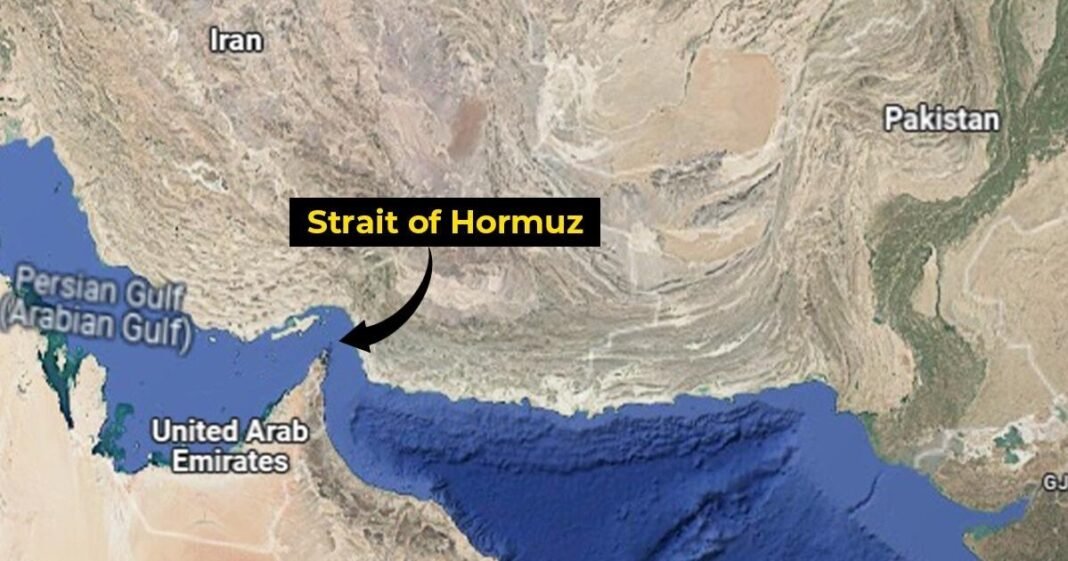
The Gulf of Oman and the nearby Strait of Hormuz are among the most strategically important maritime chokepoints in the world. Nearly one-fifth of global oil trade passes through this narrow corridor, making it a critical artery for global energy markets.
Recent tensions between Iran, the United States, and Israel have turned the region into a high-risk security environment for commercial shipping. The latest incident — in which an Indian crew member was killed in a drone boat attack on an oil tanker — underscores the growing vulnerability of civilian vessels operating in conflict-prone waters.
What Happened
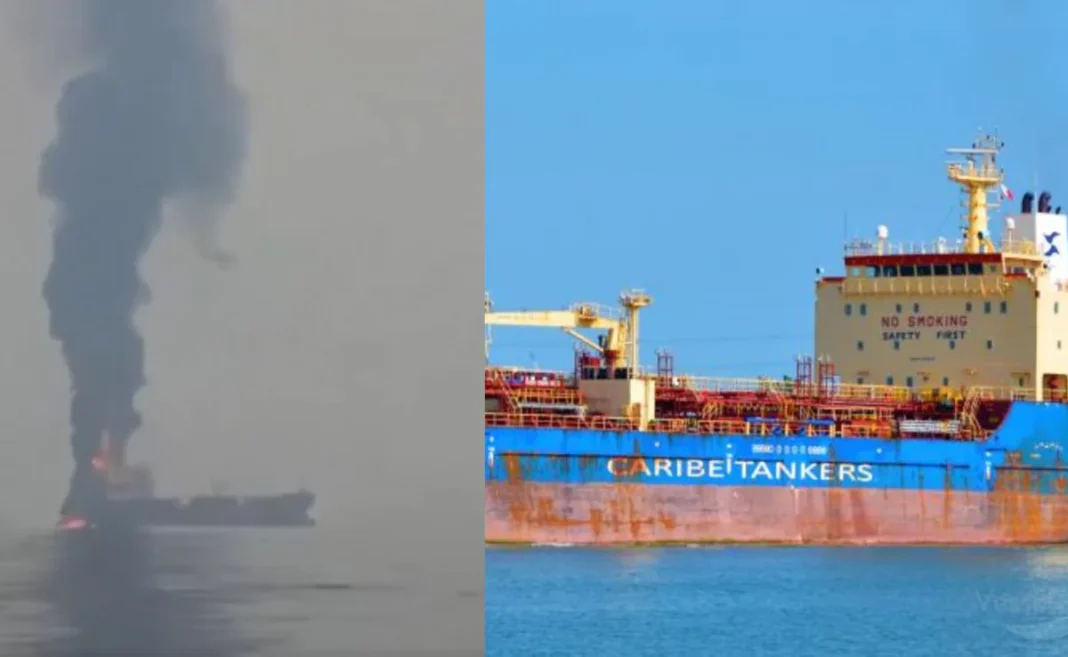
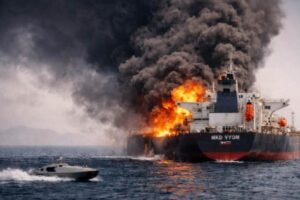
An explosive-laden unmanned drone boat struck the oil tanker MKD Vyom off the coast of Muscat in Oman, causing a powerful explosion and fire in the vessel’s engine room. The attack occurred about 52 nautical miles off Oman’s coast, according to Omani authorities.The blast killed one Indian crew member aboard the tanker and forced the evacuation of the remaining 21 crew members.The vessel was operating in the Gulf of Oman, close to the Strait of Hormuz — a region that has witnessed a series of maritime attacks amid escalating hostilities in West Asia.
Authorities reported that the attack triggered a major fire and damaged critical machinery on the ship before emergency crews secured the situation.While no group immediately claimed responsibility, analysts believe the strike is linked to broader regional escalation tied to ongoing military tensions involving Iran.
Why It Matters
1. Escalation of Maritime Warfare
The use of explosive drone boats signals a shift toward asymmetric maritime warfare. These relatively low-cost platforms allow attackers to target commercial vessels without deploying conventional naval forces.This trend complicates maritime security and raises risks for merchant shipping across the Persian Gulf and Arabian Sea.
2. Threat to Global Energy Supply
The attack occurred near the Strait of Hormuz, through which around 20% of global oil shipments transit daily. Any disruption in this region could trigger volatility in global oil markets and supply chains.Recent incidents have already forced shipping companies to reconsider routes and insurance coverage for vessels operating in the Gulf.
3. Growing Risk for Indian Seafarers
India supplies one of the largest pools of seafarers in the global maritime industry. Many Indian sailors work aboard foreign-flagged vessels that operate in volatile regions.The death of the Indian crew member marks one of the first Indian casualties linked to the latest West Asian conflict escalation.
Who Benefits

From a strategic perspective, attacks on commercial shipping serve several objectives:
-
Signaling power and retaliation in regional conflicts
-
Disrupting global trade routes to pressure rival states
-
Raising economic costs for adversaries through shipping disruption
Such tactics have historically been used in the Persian Gulf to influence geopolitical outcomes without triggering full-scale naval conflict.
Risks Ahead
Security analysts warn that the Gulf region may witness more attacks on energy infrastructure and shipping lanes if hostilities between Iran and Western allies continue to escalate.
Already, multiple tankers have been damaged and several vessels have altered routes due to security concerns in the Strait of Hormuz.
For India, the incident highlights two key challenges:
-
Protecting Indian seafarers working in high-risk maritime zones
-
Ensuring energy supply security amid geopolitical tensions in West Asia
Long-Term Strategic Implications
-
-
The attack reinforces an emerging reality: global maritime trade is increasingly exposed to hybrid warfare tactics such as drones, missiles, and unmanned boats.
For major trading nations like India, the situation raises important questions about:
-
expanding naval presence in the Indian Ocean and Gulf region
-
improving maritime intelligence sharing
-
strengthening protection mechanisms for Indian sailors abroad
As geopolitical tensions intensify in West Asia, commercial shipping may increasingly become a frontline arena of strategic competition.
Follow our page @tejwas_ for daily updates.
-
- More from world;