Iranian Shahed Drone Strikes the US Consulate in Dubai, UAE; Fire Breaks Out

Strategic Context: What Is Happening in the Gulf?

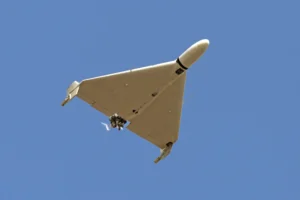
The Middle East is witnessing one of its most intense escalations in years, driven by an expanding conflict between Iran on one side and the United States and Israel on the other. Iran has increasingly relied on ballistic missiles and low-cost Shahed unmanned aerial vehicles (UAVs) to retaliate against U.S. and Israeli military operations targeting Iranian strategic assets. These drones have become the linchpin of Tehran’s asymmetric campaign across the Gulf region.

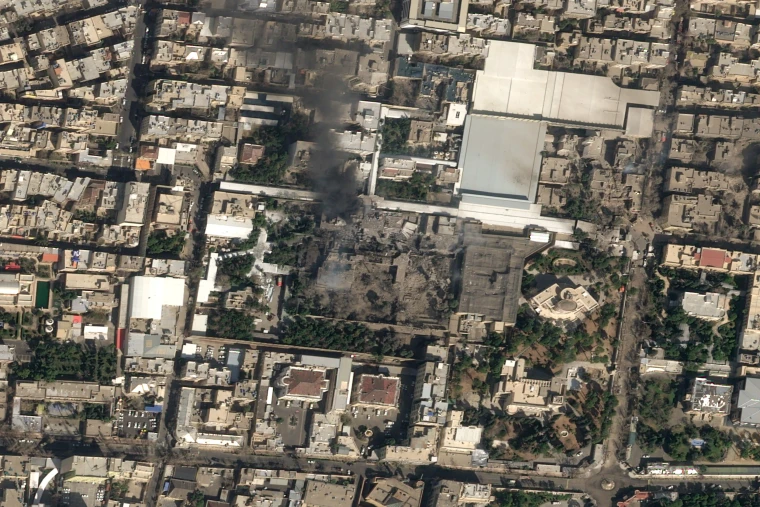
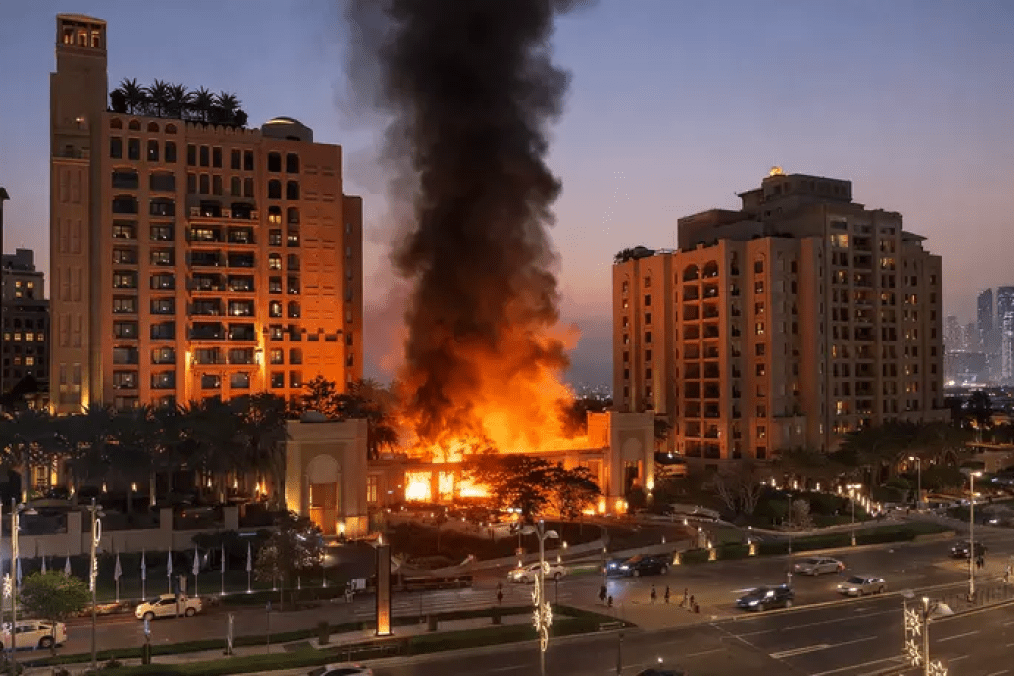
On March 3, 2026, a suspected Iranian Shahed drone struck the United States Consulate in Dubai, United Arab Emirates, setting off a fire that was visible from surrounding areas. The incident marks a significant escalation in Tehran’s targeting of American diplomatic infrastructure beyond combat zones, into friendly Gulf territory.

The Incident: What Happened in Dubai?
According to multiple official statements and media reports:

  • A suspected Iranian Shahed drone journeyed over the Gulf and impacted a location within the U.S. Consulate compound in Dubai, reportedly in the parking area adjacent to the main building.

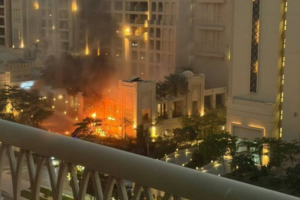
  • The impact ignited a fire and thick black smoke was seen rising near the consulate late Tuesday evening.

  • Dubai authorities confirmed the blaze was quickly contained by emergency responders and fully extinguished within a short period.

  • Crucially, no injuries or casualties were reported among U.S. personnel or civilians in the vicinity. All staff were accounted for, and emergency teams actively managed the situation.

  • U.S. officials, including U.S. Secretary of State Marco Rubio, publicly acknowledged the drone strike and affirmed the safety of consulate personnel.

Despite early social media uploads claiming extensive damage, official accounts emphasize that the incident, while serious, did not penetrate core diplomatic facilities and was rapidly stabilized.
Why It Matters: Geostrategic Implications

1. U.S. Diplomatic Infrastructure Under Direct Threat

The strike on the U.S. Consulate in Dubai — a major diplomatic hub in a key Gulf partner — demonstrates Iran’s willingness to expand its theatre of operations. Rather than limiting attacks to active conflict zones (e.g., border regions or frontlines), Tehran’s UAV campaign is now reaching into territories hitherto considered insulated from direct combat.

2. Gulf States in the Crosshairs

The UAE historically maintained a neutral stance, avoiding direct military confrontation with Iran. The strike — even if effectively intercepted and localized — raises critical questions about Gulf air defense efficacy and the readiness of regional allies under growing threat from drone and missile bombardment.

3. Broader U.S. Strategic Posture

The attack adds pressure on U.S. military and diplomatic strategy in West Asia. It comes amidst other Iranian strikes on U.S. assets in Saudi Arabia and Kuwait, forcing Washington to reassess force protection measures across its network of bases and consulates.

4. Psychological and Market Impact

While physical damage and casualties were avoided, the psychological effect of a direct strike in Dubai’s international downtown reverberates far beyond the military sphere, potentially impacting investor confidence, commercial routes, and global energy markets due to heightened regional volatility.

What’s Next: Risks and Escalation Paths

  • Continued Iranian UAV and missile operations: Tehran may continue using Shahed drones and similar low-signature weapons to pressure U.S. facilities and allies across the Gulf.

  • Diplomatic Realignments: Gulf states may accelerate strategic ties with Western powers for deeper security guarantees, or pursue independent defense postures.

  • U.S. Response Options: Washington faces the challenge of deterring future attacks without triggering broader conventional warfare. Options could range from tightened air defenses to punitive cyber or kinetic responses — each with significant implications.

Conclusion

The Iranian Shahed drone strike that triggered a fire at the U.S. Consulate in Dubai symbolizes a dangerous new phase in the broader Middle East conflict. While the immediate incident resulted in no loss of life and the fire was contained, the geopolitical ripple effects are profound — spotlighting vulnerabilities in diplomatic security, advancing Iranian asymmetric tactics, and reshaping the strategic landscape in the Gulf.

Follow our page @tejwas_ for daily updates

More from world;