
Strategic Context
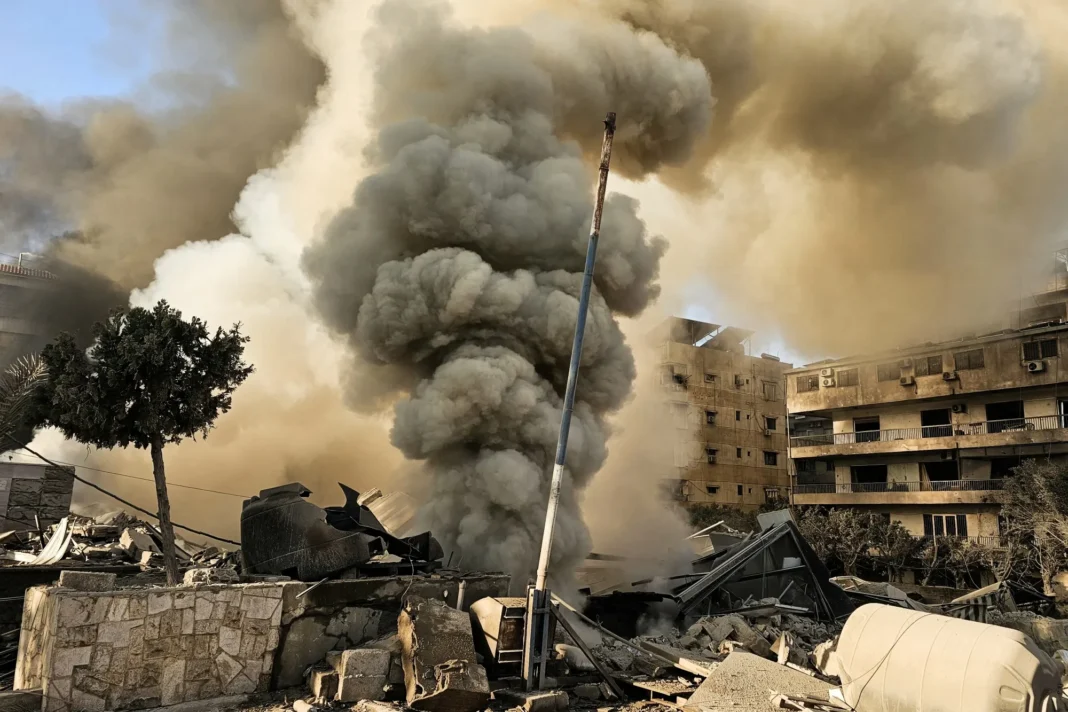
Fresh allegations have emerged in the ongoing war between Russia and Ukraine, with Ukrainian officials claiming that Russian forces used a banned phosphorus bomb on a residential area. If verified, the reported incident would mark a serious escalation in the conflict and potentially constitute a violation of international humanitarian law.
The Russia Ukraine war, now entering its prolonged phase, has seen repeated accusations from both sides regarding prohibited weapons and attacks on civilian infrastructure. The alleged use of white phosphorus in a populated zone has triggered renewed global scrutiny.
What Happened?
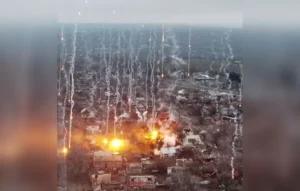
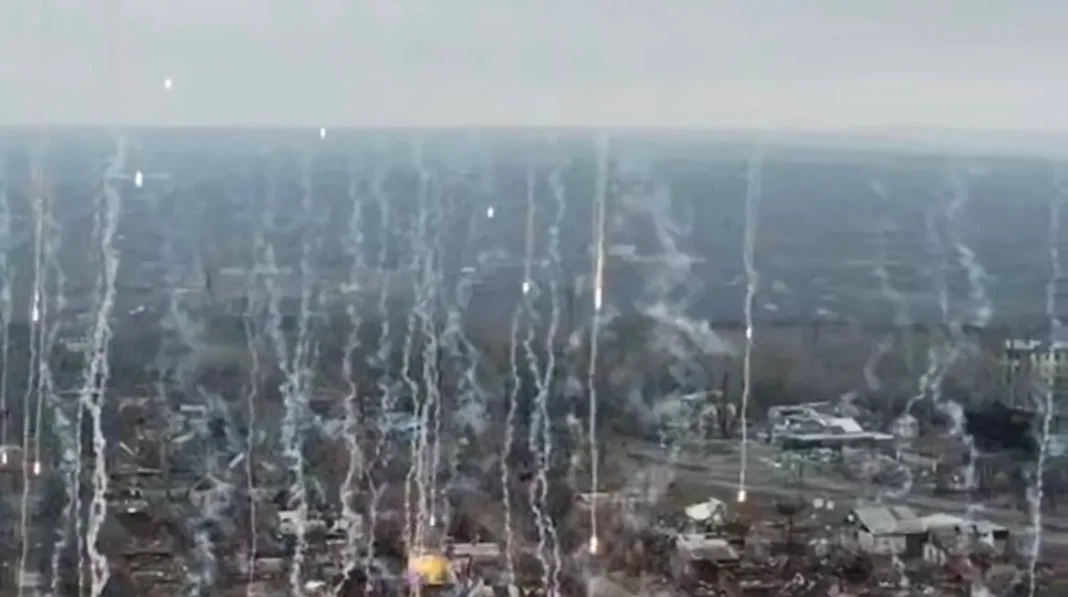
According to Ukrainian authorities, munitions containing white phosphorus were deployed over a residential district during active hostilities. Videos circulating on social media appear to show burning fragments descending over buildings at night — a visual pattern often associated with phosphorus-based weapons.
Moscow has denied targeting civilians and rejects claims of illegal weapon use. Independent verification remains limited, and international observers are calling for a transparent investigation.
White phosphorus itself is not universally banned. It can legally be used for illumination, smoke screens, or marking targets. However, its use against civilian populations or in densely populated areas may violate provisions under the Geneva Conventions and related protocols governing incendiary weapons.
The legal distinction hinges not just on the weapon type, but on how and where it was used.
Why It Matters

The phrase Russia phosphorus bomb Ukraine carries powerful legal and strategic weight.
-
International Law Implications: If used deliberately against civilians, such action could amount to a war crime under international humanitarian law.
-
Escalation Risk: Allegations of banned weapon use increase diplomatic pressure and raise the risk of further Western military involvement.
-
Information Warfare: In modern conflicts, narrative dominance matters. Allegations shape global opinion even before investigations conclude.
Incendiary weapons cause severe burns and long-lasting fires, making them particularly controversial in urban warfare. Their psychological impact is also significant, amplifying fear among civilian populations.
Global Reactions
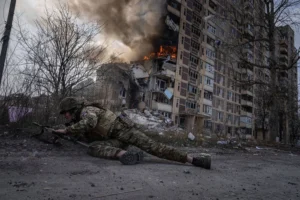
International bodies, including the United Nations, have called for restraint and an independent inquiry. Western governments have expressed concern, while emphasizing the need for verified evidence before drawing legal conclusions.
The issue also feeds into broader discussions within NATO about sustained support for Ukraine. Any confirmation of prohibited weapon use could strengthen arguments for expanded military assistance or additional sanctions.
Meanwhile, Russia frames such allegations as part of a broader disinformation campaign aimed at isolating Moscow diplomatically.
Who Benefits?
From a strategic standpoint, escalation narratives can serve political objectives.
-
Ukraine gains diplomatic leverage by spotlighting alleged violations.
-
Western states may justify stronger sanctions or military aid packages.
-
Russia may seek to project deterrence by demonstrating battlefield dominance, though at reputational cost.
However, no side benefits from a widening humanitarian crisis. Civilian harm undermines long-term legitimacy and complicates post-war reconciliation prospects.
Risks and Long-Term Implications
If confirmed, the alleged use of phosphorus weapons in residential areas could trigger:
-
Expanded war crimes investigations.
-
Intensified sanctions regimes.
-
Greater Western military coordination.
-
Heightened escalation risks beyond Ukraine’s borders.
Even if unverified, such claims deepen mistrust and harden negotiating positions. The Russia Ukraine conflict increasingly operates not just on the battlefield, but in courts of law and global public opinion.
In protracted wars, legal narratives often shape post-conflict accountability. Whether this allegation becomes a documented case or remains contested will influence the broader legitimacy debate surrounding the war.The Russia Ukraine conflict continues to test the limits of modern warfare, international law, and strategic endurance. As investigations unfold, clarity — not rhetoric — will determine the diplomatic trajectory ahead.
Follow our page @tejwas_ for daily updates.
More from world;