
🌍 Introduction
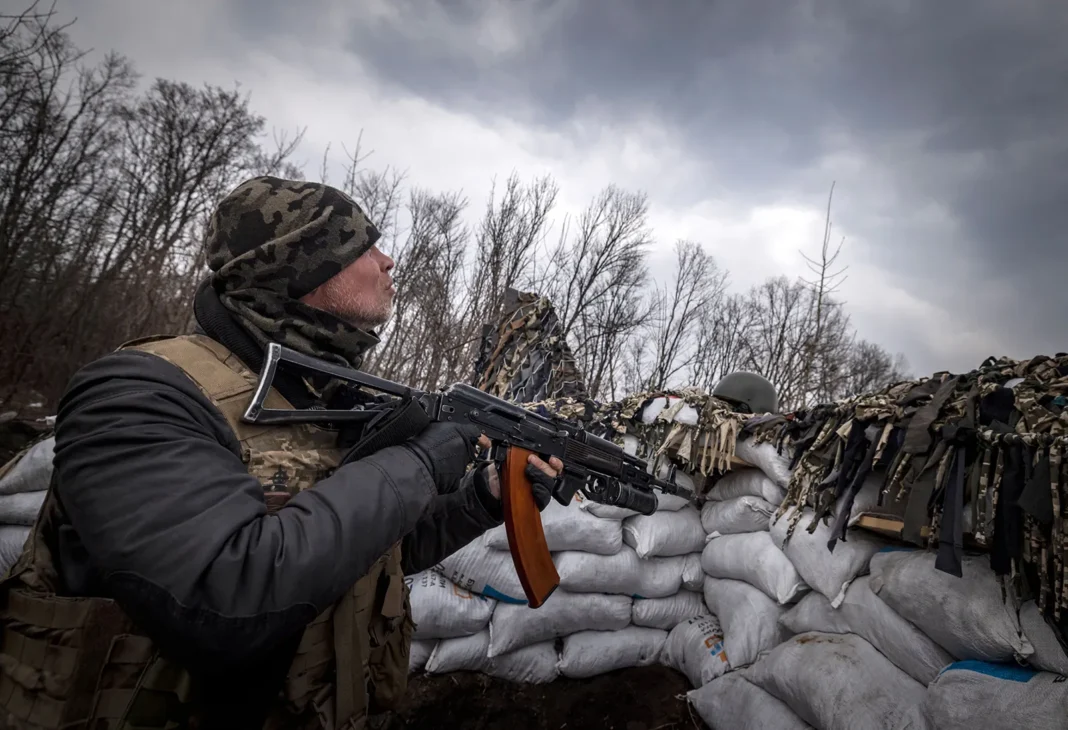
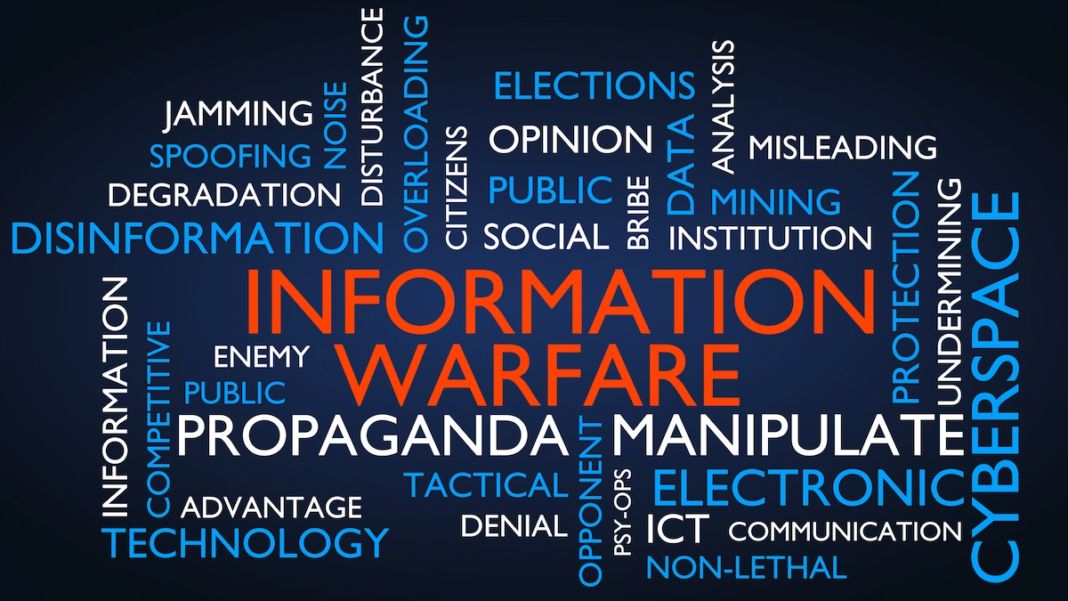
Wars today are fought not only with weapons but with information. Control over narratives, perception, and public opinion has become a central battlefield. Information warfare influences how conflicts are understood, supported, and sustained, making it a decisive component of modern military strategy.
🧠 What Is Information Warfare?
Information warfare involves:
-
Propaganda and strategic messaging
-
Disinformation and misinformation
-
Psychological operations (PSYOPS)
-
Cyber-enabled influence campaigns
Its objective is to shape perception, weaken morale, and influence decision-making.
📱 Role of Digital Platforms
Social media and digital communication have transformed information warfare by:
-
Accelerating the spread of narratives
-
Allowing real-time influence operations
-
Blurring lines between civilians and combatants
Information now moves faster than traditional military responses.
⚔️ Strategic Use in Modern Conflicts
Information warfare is used to:
-
Justify military actions
-
Undermine enemy legitimacy
-
Influence domestic and international audiences
-
Maintain public support during prolonged conflicts
Narrative control often determines diplomatic and political outcomes.
🌆 Civilian Involvement and Impact
Civilians play an unintended role:
-
As consumers of information
-
As amplifiers of narratives
-
As targets of psychological pressure
This involvement complicates accountability and ethical considerations.
⚠️ Challenges and Countermeasures
Defending against information warfare requires:
-
Media literacy
-
Rapid fact-checking
-
Cybersecurity coordination
-
Strategic communication
Unlike physical attacks, misinformation can persist long after conflicts end.
🌐 Strategic Implications
Information warfare lowers the threshold for conflict escalation and enables influence without formal war. It reshapes how power is projected and contested in the modern world.
🔍 Looking Ahead
Future conflicts will increasingly integrate information operations with military action. Mastery of narratives may prove as decisive as control of territory.