
🌍 Introduction
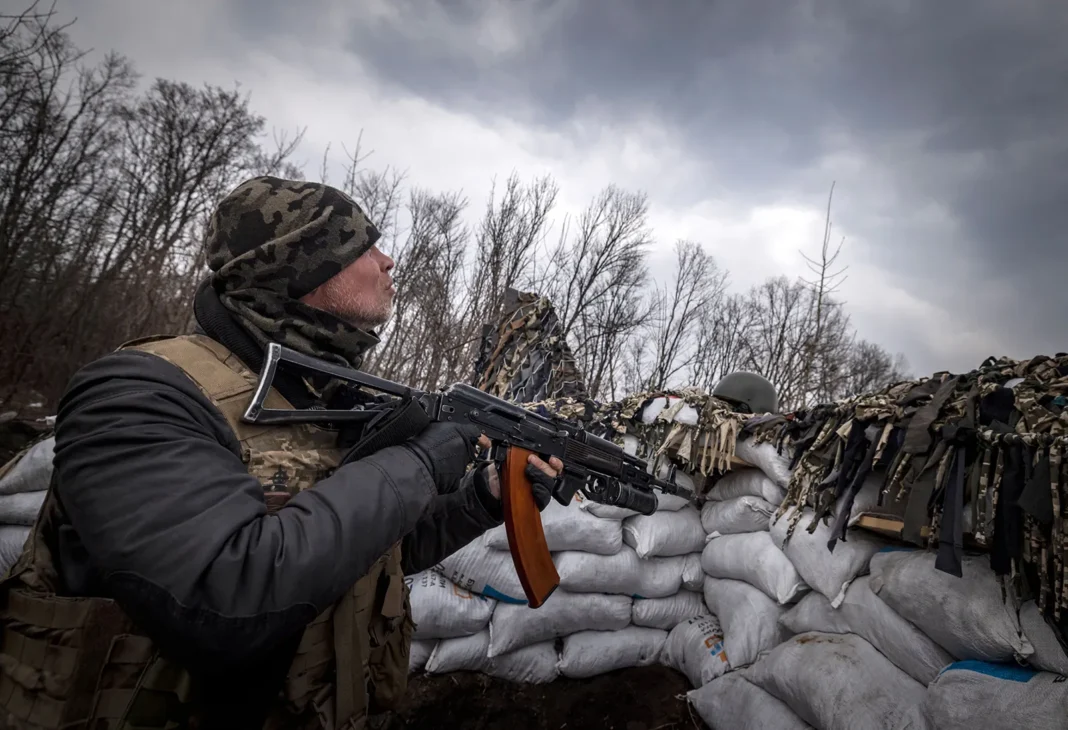
Urban warfare has become one of the defining features of modern conflict. As global populations concentrate in cities, military confrontations are increasingly fought in dense urban environments. Recent wars have shown that cities are no longer just battlegrounds — they are strategic objectives that shape the course of entire conflicts.
🏙️ Why Cities Matter in Modern War
Cities offer:
-
Political and symbolic value
-
Economic and logistical hubs
-
Dense infrastructure networks
Control over urban centers often determines legitimacy, governance, and strategic advantage.
⚔️ Complexity of Urban Battlefields
Urban environments present unique challenges:
-
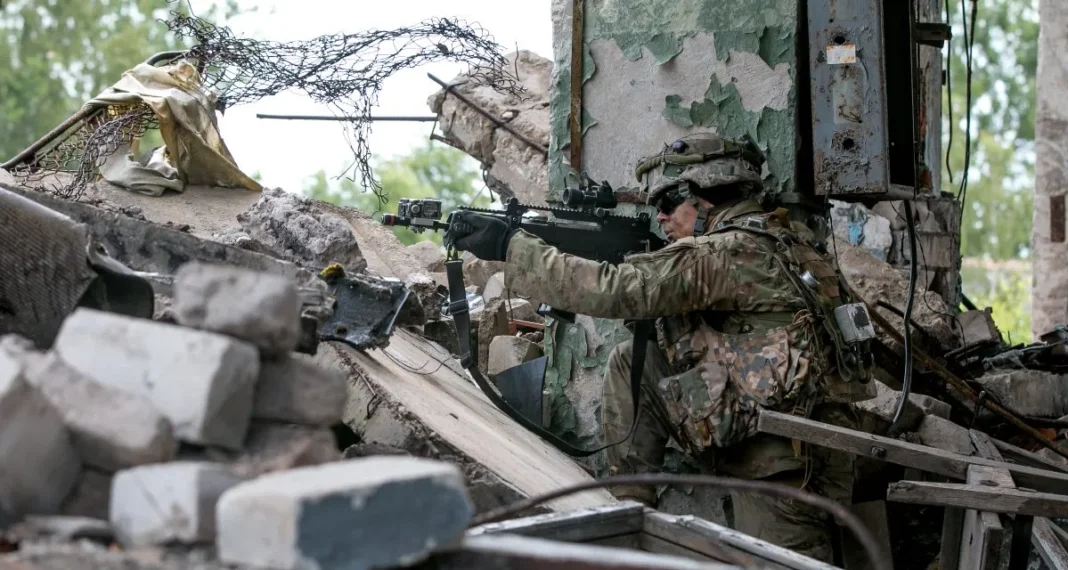
Narrow streets and vertical combat zones
-
Civilian presence complicating military operations
-
Limited visibility and mobility
-
High risk of collateral damage
Traditional military superiority often provides limited advantage in city fighting.
🧠 Adaptation of Military Tactics
To operate effectively in cities, armed forces have adapted:
-
Small-unit operations and decentralized command
-
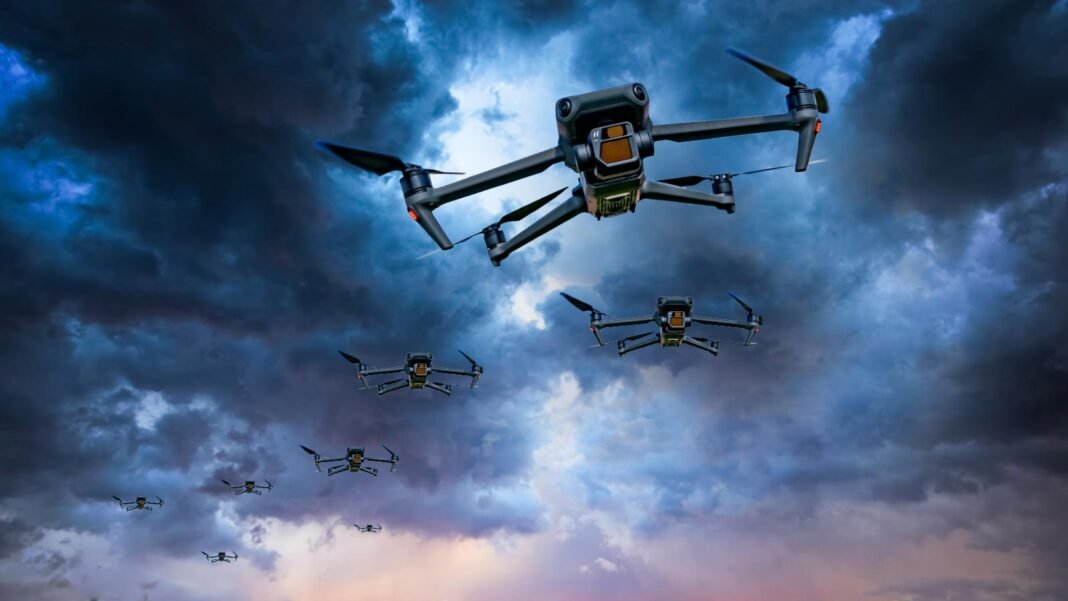
Increased use of drones and surveillance
-
Integration of infantry with armored and engineering units
-
Precision-guided munitions
Urban warfare demands coordination, restraint, and rapid intelligence processing.
🌆 Civilian Impact and Humanitarian Challenges
Cities are home to millions of civilians, making urban warfare especially destructive. Infrastructure damage affects:
-
Water and electricity supply
-
Healthcare systems
-
Food distribution
Civilian displacement and humanitarian crises often outlast the fighting itself.
⚠️ Role of Non-State Actors
Urban settings favor irregular forces that:
-
Blend into civilian populations
-
Use tunnels and fortified buildings
-
Employ hit-and-run tactics
This asymmetry complicates counterinsurgency and stabilization efforts.
🌐 Strategic Consequences
Urban warfare slows military advances, increases casualties, and attracts global scrutiny. Prolonged city battles can reshape international opinion and influence diplomatic outcomes.
🔍 Looking Ahead
Future wars are likely to see even more urban combat. Militaries will need to invest in training, technology, and doctrine specifically designed for city-based operations.