
🌍 Introduction
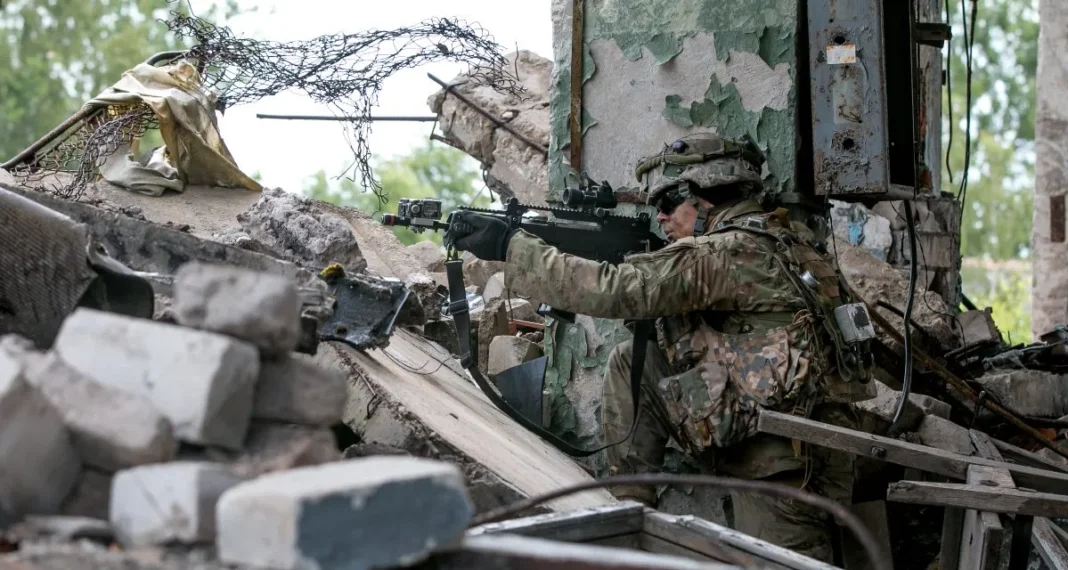
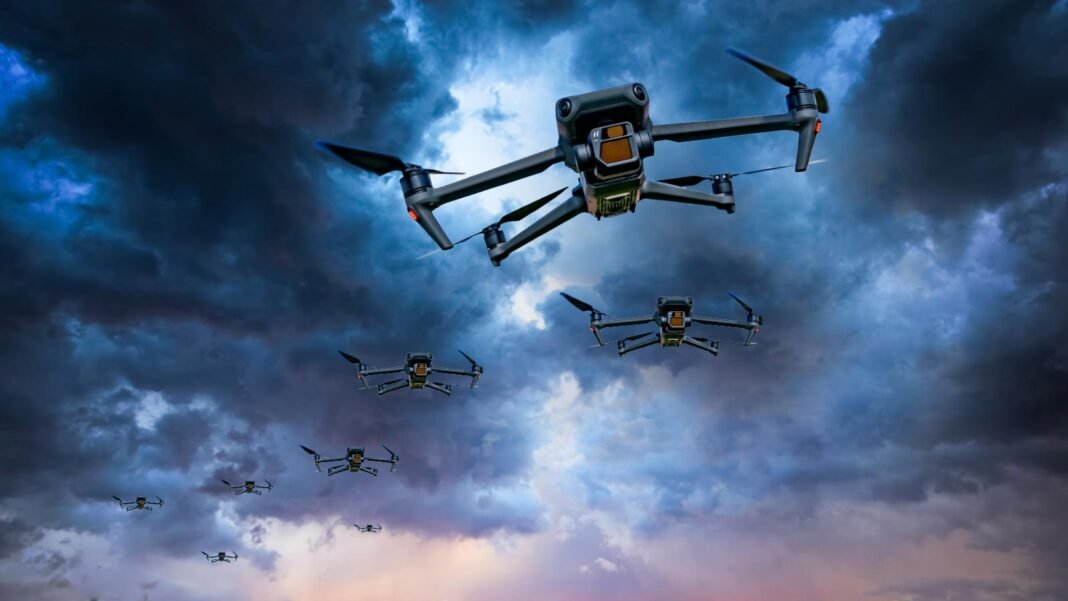
Modern warfare is undergoing a fundamental transformation. Unmanned aerial vehicles — commonly known as drones — have moved from surveillance tools to decisive battlefield weapons. In recent conflicts, drones have reshaped how wars are fought, reducing reliance on traditional airpower while increasing precision, persistence, and psychological pressure.
From reconnaissance to direct strike missions, drones are now central to contemporary military strategy.
🛩️ Evolution of Drone Warfare
Initially used for intelligence gathering, drones have rapidly evolved into multi-role platforms capable of:
-
Target identification
-
Precision strikes
-
Electronic warfare
-
Battlefield surveillance
-
Logistics support
Advancements in sensors, AI-assisted targeting, and long-range communication have expanded their operational scope.
⚔️ Tactical Advantages on the Battlefield
Drones provide several key advantages:
-
Low operational cost compared to manned aircraft
-
Reduced risk to personnel
-
Persistent presence over conflict zones
-
Rapid strike capability
These factors allow even smaller or less technologically advanced forces to challenge traditional military powers.
🧠 Changing Military Tactics
The widespread use of drones has forced militaries to adapt:
-
Increased emphasis on air defense systems
-
Camouflage and electronic countermeasures
-
Dispersed troop formations
-
Faster decision-making cycles
Battlefields are now more transparent, with constant aerial observation reducing the element of surprise.
🌆 Impact on Urban and Asymmetric Warfare
In urban environments, drones enable:
-
Precision targeting in dense areas
-
Real-time intelligence for ground units
-
Psychological pressure through constant surveillance
For non-state actors and irregular forces, drones have become tools to offset conventional military disadvantages.
⚠️ Vulnerabilities and Countermeasures
Despite their effectiveness, drones face limitations:
-
Susceptibility to electronic jamming
-
Limited endurance for smaller platforms
-
Dependence on communication networks
As drone usage increases, counter-drone technologies are becoming a critical component of modern defense systems.
🌐 Strategic Implications
The rise of drone warfare has blurred traditional distinctions between air and ground combat. It has lowered barriers to entry in warfare, accelerated conflict tempo, and raised ethical and legal questions about accountability and escalation.
🔍 Looking Ahead
Drones are no longer supplementary tools — they are core instruments of war. Future conflicts are likely to see greater autonomy, swarm tactics, and integration with cyber and space domains, further transforming how wars are fought.