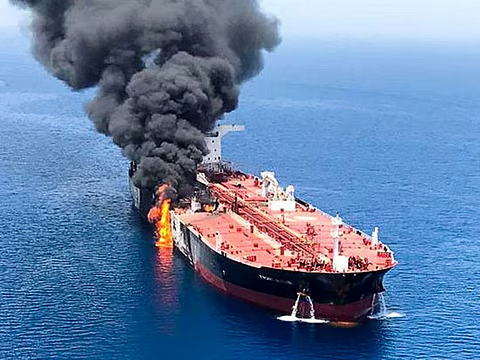

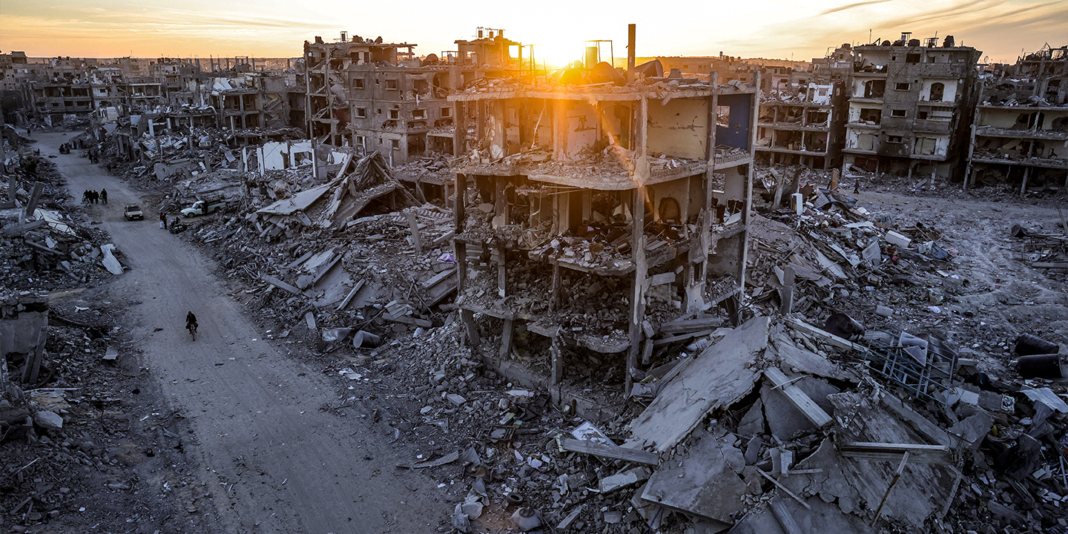
Why Ceasefires Are Failing in Modern Wars is becoming one of the most urgent questions in global geopolitics. In 2026, ceasefire announcements are frequent — but so are violations. Agreements are made, but ground realities often tell a different story.
This raises a deeper concern: are ceasefires losing their effectiveness in modern conflict?
Why Ceasefires Are Failing in Modern Wars
Traditional wars had clearer structures:
- defined battle lines
- formal armies
- centralized command
Today’s conflicts are far more complex.
They involve:
- multiple actors
- proxy groups
- shifting alliances
- non-state participants
This complexity makes it harder to enforce ceasefires, as not all actors are equally committed to peace agreements.
The Gap Between Diplomacy and Reality
One of the biggest reasons Why Ceasefires Are Failing in Modern Wars is the growing disconnect between diplomatic announcements and ground situations.
Leaders may:
- announce ceasefires
- signal willingness for talks
But on the ground:
- fighting may continue
- strikes may intensify
- tensions may escalate
This creates a situation where ceasefires exist more in statements than in reality.
Ceasefires Are Now Strategic, Not Just Peaceful

In many modern conflicts, ceasefires are no longer purely about peace.
They are used as:
- tactical pauses
- time to regroup
- opportunities to reposition
This changes their purpose.
Instead of ending conflict, ceasefires sometimes become part of the conflict strategy itself.
The Role of Global Perception and Narrative
Why Ceasefires Are Failing in Modern Wars also connects to how conflicts are perceived globally.
Countries now:
- manage international image
- communicate through media
- influence global opinion
Announcing a ceasefire can improve perception, even if the situation on the ground does not change significantly.
Technology Has Made Violations Easier
Modern warfare technology adds another layer of complexity.
- drone strikes
- cyber operations
- long-range weapons
These allow actions to continue without direct confrontation, making ceasefire violations harder to detect and control.
Lack of Trust Between Parties

Trust is essential for any ceasefire to work.
But in modern conflicts:
- distrust is high
- past violations affect future agreements
- intentions are constantly questioned
This weakens the foundation of ceasefire agreements.
Why This Matters for the World
Why Ceasefires Are Failing in Modern Wars is not just a military issue — it affects global stability.
Failed ceasefires lead to:
- prolonged conflicts
- economic uncertainty
- humanitarian crises
- global tension
This means the impact is felt far beyond the conflict zones.
The Bigger Shift in Global Conflict
The failure of ceasefires reflects a larger change.
Modern wars are:
- less predictable
- more prolonged
- harder to resolve
This suggests that traditional methods of conflict resolution may no longer be enough.
Final Take
Why Ceasefires Are Failing in Modern Wars highlights a critical shift in how conflicts are managed.
Ceasefires are no longer guaranteed steps toward peace.
They are becoming uncertain tools in an increasingly complex and unpredictable global landscape.
And that changes how the world must think about conflict, diplomacy, and stability.
Follow us on instagram @thetejwas.
Also see-