
Why Modern Wars Now Hit Food, Fuel, and Pharma is one of the most important lessons of the current West Asia crisis. In 2026, war is no longer felt first only through soldiers, tanks, or territorial maps. It is now felt through fuel prices, medicine shortages, fertiliser disruption, and supply-chain panic. Long before the full military consequences become visible on the frontline, ordinary people across countries begin experiencing the impact in their kitchens, hospitals, and transport bills. Reuters has reported that the conflict is already disrupting flows of food-related inputs, critical medicines, and energy supplies across regions.
Why Food Systems Are Among the First Casualties of War
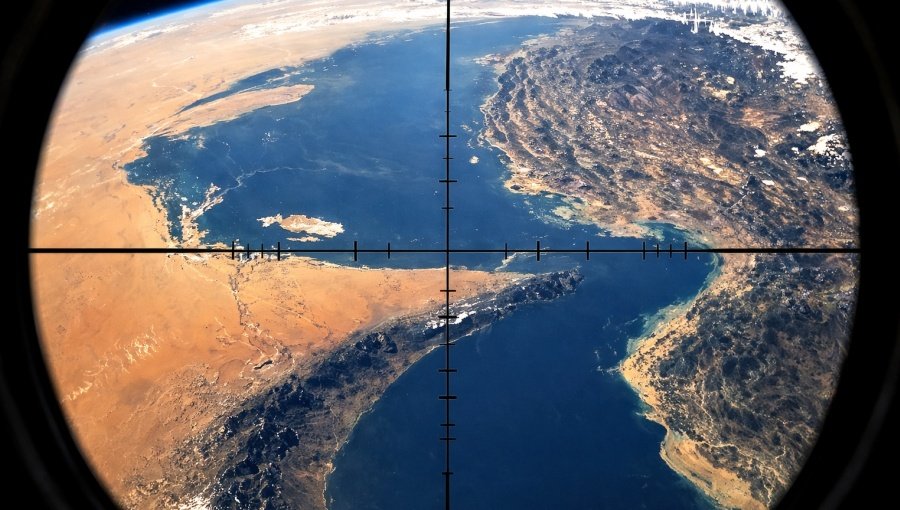
One of the clearest examples is fertiliser. Reuters reported that roughly a third of global urea shipments pass through the Strait of Hormuz, and prices have surged sharply since the conflict escalated. The disruption is not limited to one commodity. Supplies of sulphur and ammonia, both critical to fertiliser production, are also under pressure. When those inputs are hit, the effect travels quickly into agriculture, planting decisions, crop yields, and eventually food inflation.
This is why food insecurity in modern war often begins far away from farms or combat zones. Farmers may suddenly face higher input costs, fewer deliveries, or delayed shipments at the exact moment planting season begins. Reuters also reported that producers in Asia and beyond are scrambling for fertiliser supplies, while some manufacturers are halting new orders because prices have surged too fast.
Fuel Still Sits at the Center of Every Conflict Shock
Why Modern Wars Now Hit Food, Fuel, and Pharma becomes even clearer when fuel enters the picture. Energy is not just another sector. It powers transport, industry, food logistics, hospitals, cold storage, and manufacturing. Reuters reported that Asia is facing a severe crisis because of its dependence on Middle Eastern energy flows, with the Strait of Hormuz disruption threatening about 20% of the world’s oil and liquefied natural gas movement.
Once fuel prices surge, the damage spreads fast. Freight becomes costlier, air cargo becomes more expensive, factories face higher input bills, and consumers see inflation rise. Reuters reported that the euro zone economy is already close to stalling as the war fuels an inflation surge and disrupts supply chains. That shows how a conflict in one region can weaken growth and raise prices in economies far removed from the battlefield.
Pharma Supply Chains Are More Fragile Than Most People Realize
The pharmaceutical sector reveals another side of modern war. Reuters reported that the conflict has disrupted major air routes through Gulf hubs such as Dubai, Abu Dhabi, and Doha, creating risks for the supply of temperature-sensitive drugs, including some cancer treatments. Pharmaceutical companies are now rerouting shipments through longer and more complicated paths, but cold-chain requirements and time sensitivity make this a dangerous game.
This matters because medicine supply chains depend on precision. Delays are not always just inconvenient; they can become life-threatening. Reuters reported that while major shortages have not yet fully appeared, some experts warn that if the disruption continues, shortages of critical drugs could emerge within weeks. That means war today can begin hurting patients in hospitals before many people even understand the full strategic picture.
The Frontline Is Now the Civilian System
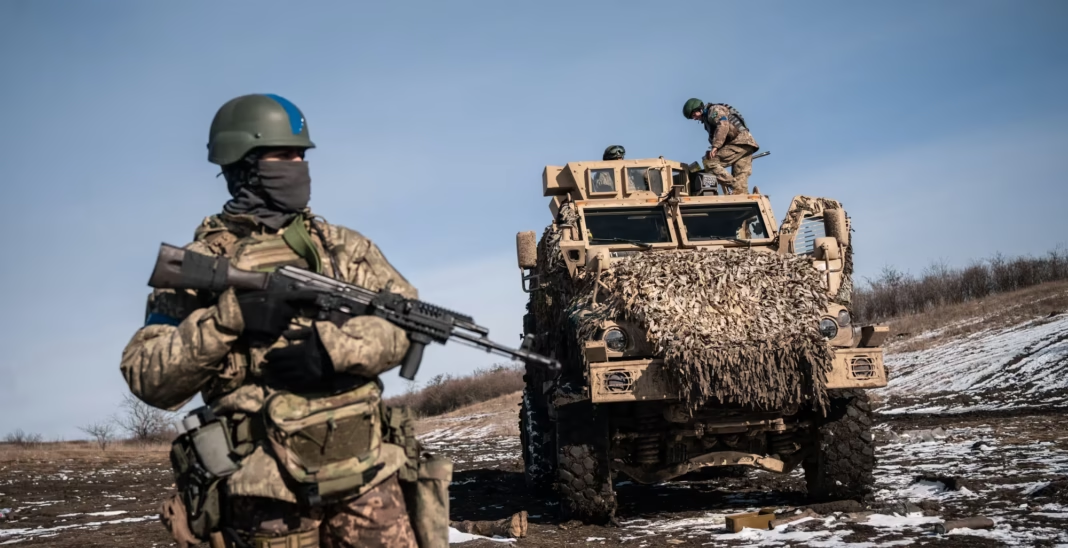
What makes this shift so important is that the modern frontline is no longer only military. It is also commercial, logistical, agricultural, and medical. Reuters reported that Gulf importers are already racing to reroute vital goods, from food to medicines and factory supplies, as the effective closure of Hormuz blocks ports in an import-dependent region. The U.N. aid chief has also warned that the expanding conflict is disrupting humanitarian operations and slowing life-saving assistance in multiple crisis zones.
This is the new logic of warfare. You do not need to physically occupy every territory to create pain. Disrupting a route, delaying a shipment, or threatening an energy corridor can be enough to create stress across societies. In that sense, the civilian system itself becomes part of the battlefield.
Why This Matters to the Whole World

Why Modern Wars Now Hit Food, Fuel, and Pharma is not just a West Asia lesson. It is a global warning. Countries may believe they are distant from conflict, but if they depend on imported fuel, fertiliser, medicines, or vulnerable trade routes, they are never truly outside the war’s reach. The current crisis shows that globalization has made prosperity more connected, but it has also made vulnerability more shared.
In older wars, the frontline was where armies met. In modern wars, the frontline begins where systems break — in shipping lanes, air routes, chemical supply chains, and storage networks. That is why households, farmers, and hospitals often feel the pain before generals do.
Final Take
Why Modern Wars Now Hit Food, Fuel, and Pharma captures the hard truth of today’s geopolitical conflicts. War now moves through energy, agriculture, logistics, and healthcare faster than it moves through conventional frontlines. By the time the world focuses on military outcomes, ordinary people may already be paying more for food, struggling with delayed medicines, or absorbing the shock of inflation. In 2026, the battlefield is no longer just where weapons land. It is where systems fail.
Follow us on instagram @thetejwas.
Also see-