
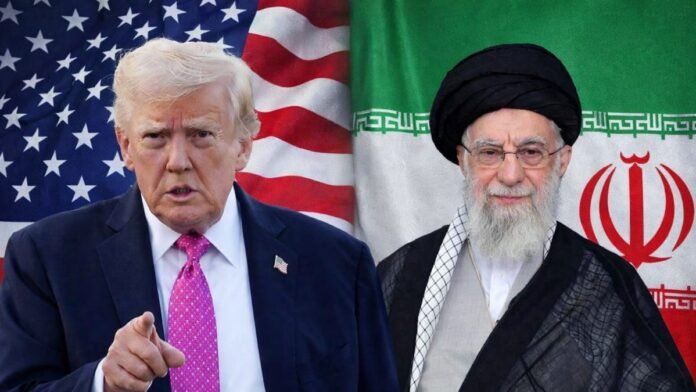
Introduction: A Fractured Relationship in a Shifting Middle East
The relationship between the United States and Iran sits at a critical juncture. Once anchored by nuclear agreements and limited engagement, it now oscillates between diplomacy and the brink of conflict. Geopolitical shifts in the Middle East, competing visions for regional order, and unresolved nuclear disputes make this one of the most consequential flashpoints of the early 2020s.Recent developments show two parallel tracks: an unprecedented U.S. military buildup in the region and an ongoing, albeit fragile, diplomatic effort aimed at defusing nuclear tensions. These dual trajectories reflect Washington’s attempt to balance deterrence with diplomacy, while Iran seeks to preserve its strategic autonomy without capitulating to external pressure.
Historical Context: From JCPOA to Strategic Rivalry
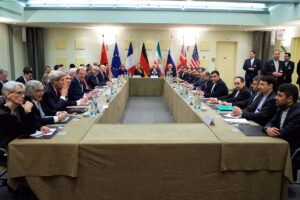
The 2015 Joint Comprehensive Plan of Action (JCPOA) was a rare detente in U.S.–Iran relations, constraining Tehran’s nuclear program in exchange for sanctions relief. However, the U.S. withdrawal from the deal in 2018 under President Donald Trump, and subsequent reimposition of sanctions, upended this framework.
The aftermath saw regional tensions rise, punctuated by proxy conflicts, cyber confrontations, and intermittent military strikes involving U.S. forces and Iranian-backed groups. The dramatic escalation in 2025—when U.S. and Israeli airstrikes damaged Iranian nuclear facilities—reinforced the perception that Tehran’s nuclear ambitions were no longer a distant threat but an immediate strategic concern.
What’s Happening Now: Military Posture vs. Diplomacy
1. U.S. Military Buildup in the Middle East
The United States has deployed its largest regional force in decades to the Middle East. This includes:
- Multiple aircraft carrier strike groups
- Over 100 fighter jets
- Advanced naval and airpower assets
- Tens of thousands of service members
The buildup is intended to deter Iranian retaliation and signal resolve amid stalled diplomacy.
U.S. officials characterize the deployment as both a deterrent and a hedge against unforeseen escalation. However, Tehran views it as coercive pressure that raises the risk of direct confrontation.
2. Nuclear Diplomacy in Geneva
In parallel, indirect nuclear talks — primarily mediated by Oman — continue in Geneva. These negotiations aim to address Iran’s nuclear program and potentially avert wider conflict.
- Iranian officials have signaled that a deal is possible if the core issue of non-development of nuclear weapons is addressed.
- Both sides have made “significant progress,” yet key disagreements remain — particularly over uranium enrichment limits and sanctions relief.
- Iran insists on preserving its rights under the Non-Proliferation Treaty for peaceful nuclear technology, while the U.S. demands verifiable restraints.
Despite diplomatic engagement, no comprehensive agreement has been reached, and talks are pitched against the backdrop of escalating military readiness.
Why It Matters: Geopolitical and Strategic Stakes
Deterrence and Escalation Risks
The dual strategy — ramped military presence and conditional diplomacy — reflects Washington’s attempt to deter conflict without ruling out military options. Yet this approach carries inherent risks:
- Escalation spirals: Miscalculations could quickly draw in other regional powers.
- Proxy entanglements: Iran’s network of allied militias across Iraq, Syria, Lebanon, and Yemen could widen the conflict.
- Economic repercussions: Global markets already reflect risk premia from Middle East instability, affecting oil and investor sentiment.
Diplomacy as a Pressure Valve
Successful diplomacy could de-escalate tensions and revive mechanisms to monitor and constrain Iran’s nuclear program. It could also:
- Reaffirm multilateral norms on non-proliferation
- Reduce regional insecurity
- Provide a strategic pivot away from kinetic confrontation
However, without substantive compromises — especially on enrichment levels and sanctions relief — diplomacy remains precarious.
Who Benefits and Who Loses
United States and Allies:
A diplomatic breakthrough would stabilize a volatile region, strengthen non-proliferation norms, and reduce the likelihood of costly military engagement.
Iran:
An agreement could ease sanctions pressure and open economic opportunities. Yet Tehran risks domestic backlash if concessions are viewed as compromising sovereignty.
Regional Powers:
States like Saudi Arabia and Israel have vested interests in curbing Iranian influence, and they remain cautious about any deal perceived as legitimizing Tehran’s strategic capacities.
Long-Term Implications: A Regional Test of Power
The U.S.–Iran standoff underscores a broader strategic competition in the Middle East — one where military force and diplomatic channels operate simultaneously. The outcome will shape:
- The future of nuclear non-proliferation
- U.S. credibility in upholding security guarantees
- Iran’s role as a regional power
- The broader geopolitical balance between the U.S., Russia, and China
As negotiations continue and military postures evolve, the world watches a delicate dance between war and peace — one that could redefine Middle Eastern geopolitics for years to come.
Follow our page @tejwas_ for daily updates.
More from world;