
Strategic Context
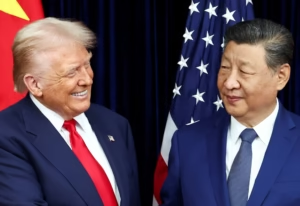
As geopolitical tensions and economic competition intensify between Washington and Beijing, both powers are cautiously reopening channels of economic dialogue. The upcoming meeting between Scott Bessent and He Lifeng in Paris represents an important preparatory step before a potential high-level summit between Donald Trump and Xi Jinping later this month.
The meeting highlights the continued importance of economic diplomacy in managing the increasingly complex strategic rivalry between the United States and China.
What Happened
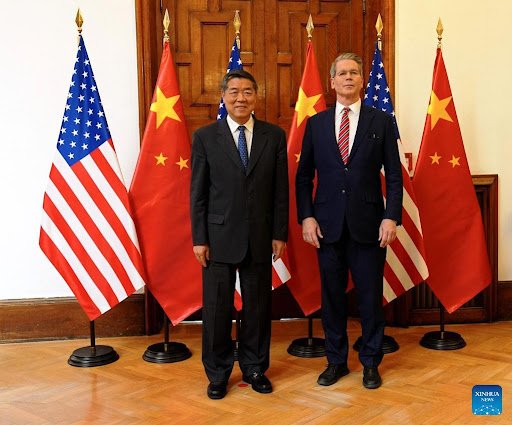
The U.S. Treasury confirmed that Secretary Scott Bessent will meet Chinese Vice Premier He Lifeng in Paris from March 15–16 to continue bilateral economic discussions. The talks aim to advance ongoing negotiations over trade imbalances, tariffs, and broader economic cooperation between the two countries.
The Paris discussions will also include other key officials such as the U.S. Trade Representative and senior Chinese trade negotiators, reflecting the high stakes of the dialogue.This meeting comes just weeks before a planned summit where President Donald Trump is expected to travel to Beijing for talks with Chinese President Xi Jinping, potentially marking one of the most significant U.S.–China diplomatic engagements of 2026.
Why the Talks Matter
The renewed dialogue comes after several years of fluctuating economic tensions between the two powers. Trade disputes, tariffs, and restrictions on critical technologies have strained relations.
Washington is pushing Beijing to:
-
Reduce the U.S.–China trade imbalance
-
Increase Chinese purchases of American goods such as agricultural products, energy, and aircraft
-
Address concerns about industrial overcapacity and market access
Meanwhile, China is seeking greater stability in trade relations and relief from certain U.S. economic restrictions.
These discussions could shape the agenda for the upcoming Trump–Xi summit and potentially determine whether both sides move toward a temporary economic truce or deeper confrontation.
Who Benefits
United States:
The Trump administration hopes to secure stronger commitments from China to purchase U.S. exports and rebalance trade.
China:
Beijing aims to stabilize relations with Washington, avoid new tariffs, and maintain access to global markets during a period of strategic competition.
Global Markets:
Any signs of progress could reduce uncertainty in international trade and financial markets, which remain sensitive to U.S.–China economic tensions.
Risks and Strategic Implications
Despite renewed talks, deep structural disagreements remain. Key friction points include technology restrictions, industrial policy, supply chain security, and rare-earth exports that are vital for advanced industries.
Additionally, global geopolitical developments—including conflicts in the Middle East—could complicate the diplomatic environment surrounding the Trump–Xi summit.
If negotiations stall, both countries could return to tariff escalation and economic retaliation, potentially reshaping global trade flows.
The Long-Term Picture
The Paris meeting underscores a key reality of the 21st-century geopolitical order: strategic rivalry between the United States and China will continue, but economic interdependence still forces dialogue.
Rather than full economic decoupling, the world is likely to witness a long phase of managed competition, where negotiations periodically stabilize relations while both powers compete for technological and economic dominance.
The upcoming Trump–Xi summit could therefore become a critical moment in defining the next phase of the U.S.–China strategic relationship.