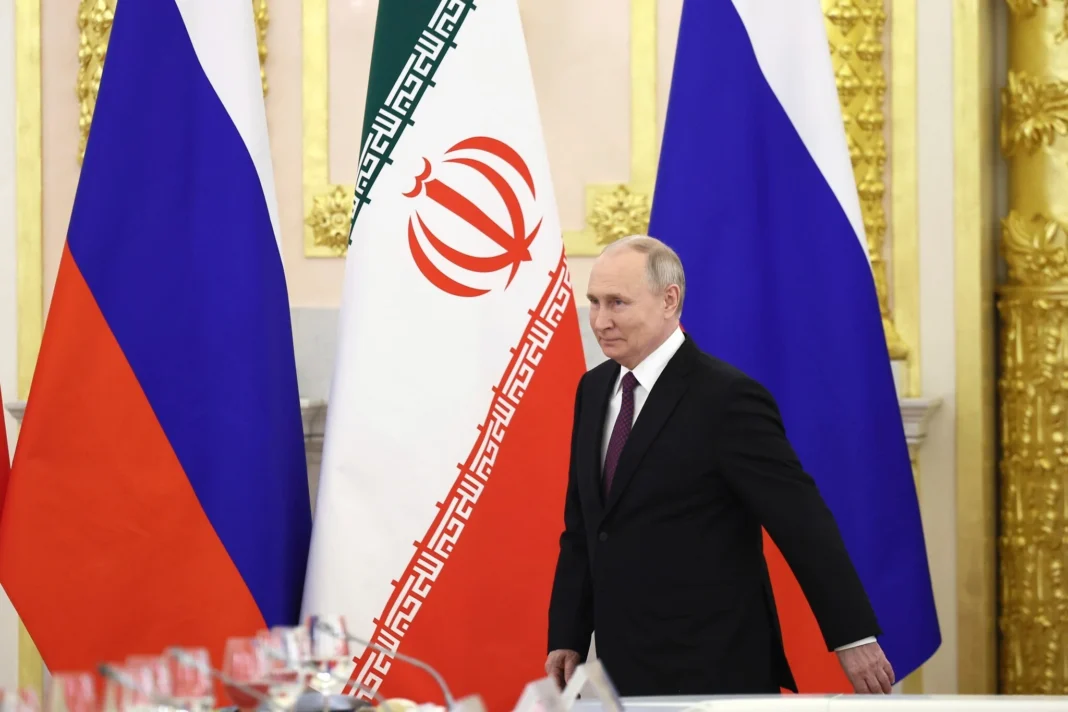

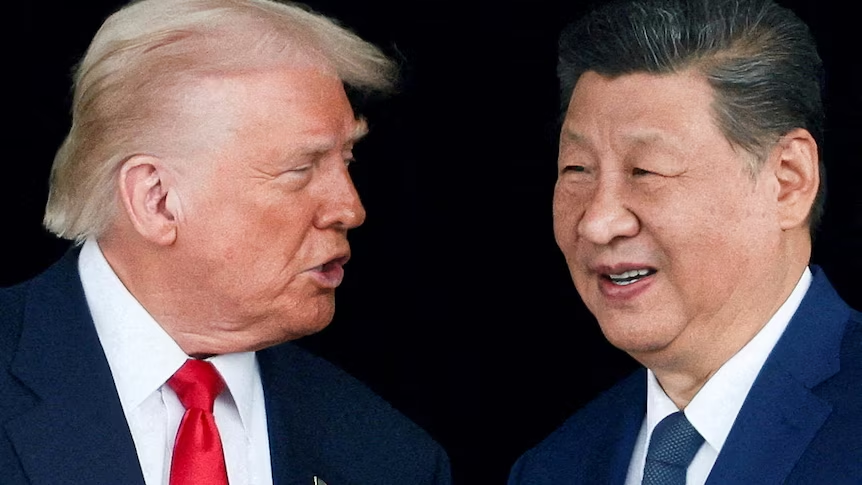
Just as Washington appeared ready to stabilise ties with Beijing, the Iran war has thrown that plan into uncertainty. U.S. President Donald Trump’s postponed Beijing trip is now being seen as more than a scheduling issue. It reflects how the Middle East crisis is consuming American strategic bandwidth and forcing a reshuffle of foreign policy priorities. Reuters reported on March 17, 2026, that Trump postponed his China trip, delaying a hoped-for reset in U.S.-China ties as the Iran war took center stage.
For TEJWAS readers, this is a classic geopolitics story. When one crisis explodes, another power equation shifts. The real issue here is not just whether Trump visits Beijing later. It is whether the U.S. can manage simultaneous pressure in the Middle East and East Asia without weakening its position in both.
Why the China Reset Mattered in the First Place
Before the Iran conflict escalated, there were signs that Washington and Beijing were trying to prevent relations from worsening too quickly. The planned summit with Xi Jinping mattered because it could have helped manage tensions around tariffs, Taiwan, trade, and broader strategic rivalry. Reuters reported that although the delay may not cause an immediate collapse in ties, it casts a shadow over a relationship already strained by trade disputes and security issues.
In great-power politics, summits are not just about photo opportunities. They create momentum, shape investor confidence, calm allies, and signal whether strategic competition is still being managed through diplomacy. When such a summit is delayed during a global crisis, the message is unmistakable: priorities are shifting under pressure.
How the Iran War Changed Washington’s Focus
The Iran conflict has become more than a regional military crisis. It is now affecting energy markets, alliance commitments, and U.S. force posture across multiple theatres. Reuters reported that Trump’s Iran policy has shifted focus away from China and that the war has added new strain to an already crowded foreign policy agenda.
This matters because the U.S. has long tried to treat China as its primary long-term strategic challenge. But real-time wars do not wait for strategic plans. The Middle East crisis demands military attention, intelligence resources, diplomatic coordination, and crisis management. Every hour spent on Gulf escalation is an hour not spent on the broader China competition.
That does not mean China stops mattering. It means the U.S. now has to juggle both without losing coherence.
Why This Matters for China
From Beijing’s perspective, the disruption creates both opportunity and uncertainty. On one hand, a U.S. administration distracted by Iran may have less room to intensify pressure on China in the immediate term. On the other hand, delayed diplomacy means trade friction, tariff risks, and strategic mistrust remain unresolved. Reuters also reported that Washington has opened new unfair-trade probes that could lead to fresh tariffs against China and other economies by summer.
This creates a dangerous combination: less summit diplomacy, but continued structural rivalry. In other words, even if the U.S. is temporarily distracted, the underlying competition with China is still moving forward through trade measures and strategic signalling.
For China, that means Washington may be distracted, but not disengaged.
The Global Risk of a Two-Front Strategic Drift
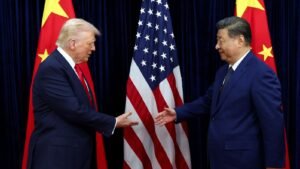
The bigger geopolitical issue is whether the United States is drifting into a two-front strategic problem. The Iran war is pulling Washington deeper into the Middle East at the exact moment it wants to focus on China. That is not just a policy inconvenience. It can affect military planning, alliance messaging, economic decisions, and the credibility of U.S. priorities.
Reuters reporting suggests the delay in Trump’s Beijing trip reflects exactly this tension: America’s China reset is being overtaken by Middle East escalation. If this continues, U.S. allies in Asia may start asking whether Washington can really stay focused on their region while handling another major conflict elsewhere.
That question matters not only for Beijing and Washington, but for Taiwan, Japan, South Korea, ASEAN states, and global markets.
Conclusion
Trump’s Iran war is disrupting his China reset in ways that go far beyond diplomacy. The postponed Beijing trip shows how quickly a Middle East crisis can reorder great-power priorities and complicate the U.S. effort to manage its biggest long-term rivalry. Even if Washington returns to China talks later, the current delay already reveals something important: in geopolitics, strategic plans are only as stable as the next crisis.
For TEJWAS readers, the takeaway is clear. The world is not divided into separate theatres anymore. A war in Iran can reshape U.S.-China dynamics within days, and that is exactly why this story deserves close attention.
Follow us on instagram @thetejwas.
Also see-