
Strategic Context
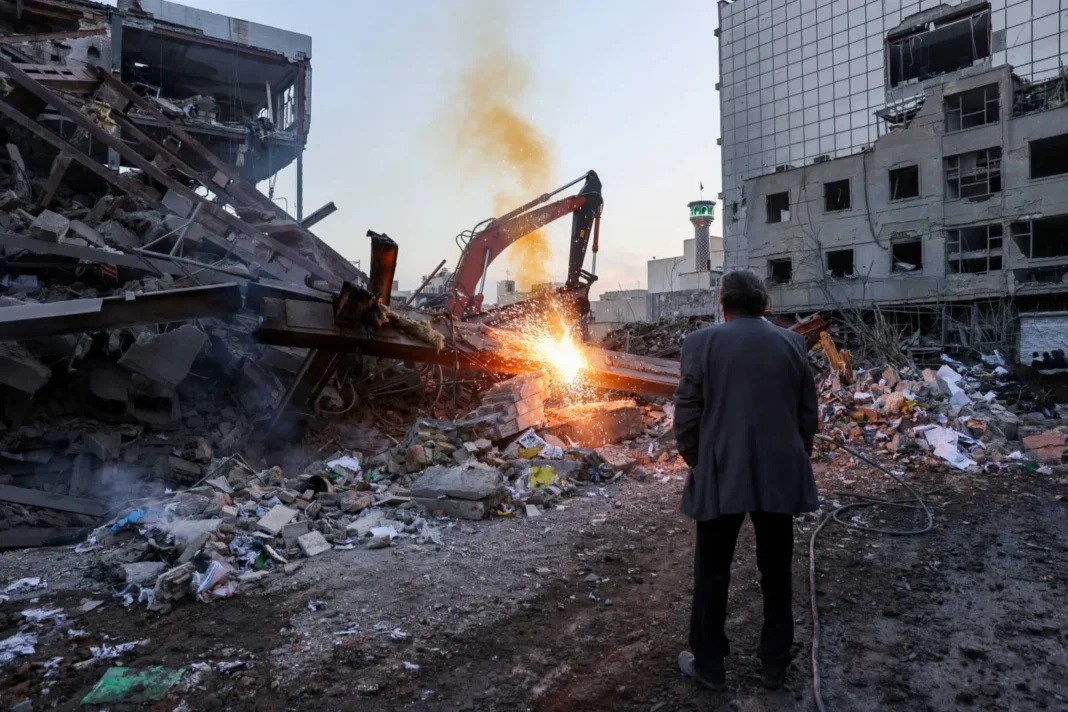
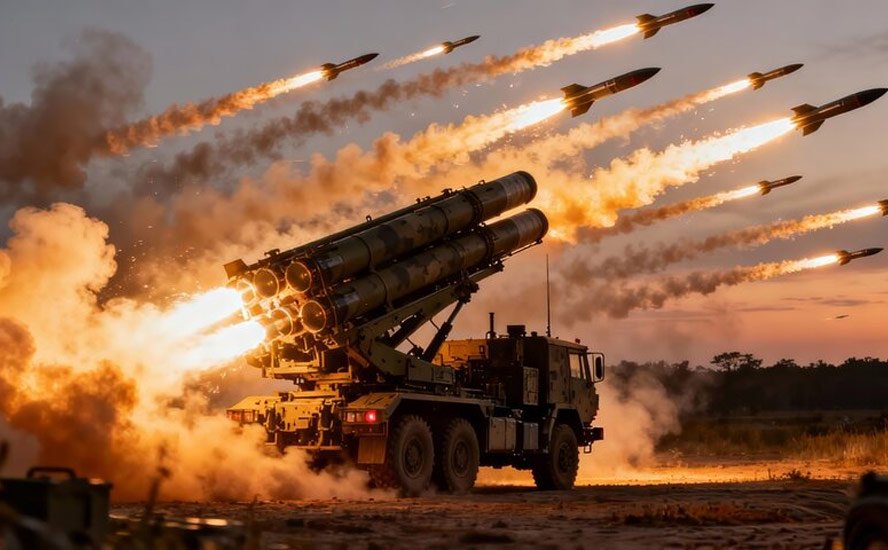
As global tensions escalate and the United States becomes increasingly involved in Middle East conflicts, domestic political pressure is mounting over the economic consequences of war. Rising oil prices, market volatility, and fears of prolonged military engagement have begun to dominate American political discourse.
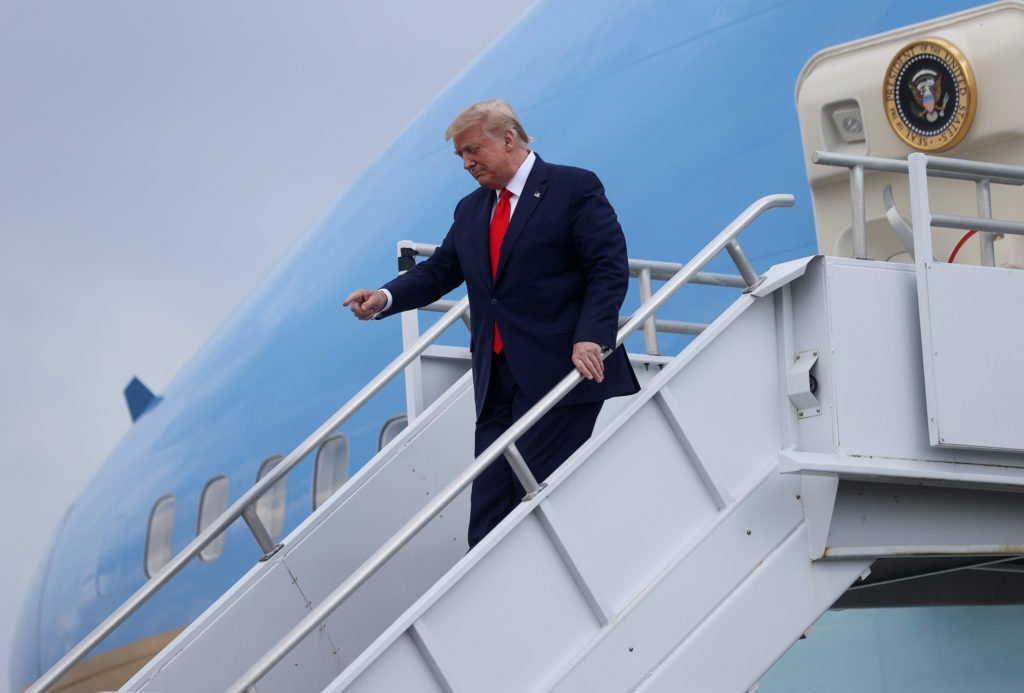
Against this backdrop, Donald Trump embarked on a politically significant tour across key Midwestern states—Ohio and Kentucky—aimed at reassuring voters that the conflicts will not derail the U.S. economy. The visit also carried an internal political dimension, with Trump directly targeting one of his most vocal Republican Party critics.
What Happened

During campaign-style events in industrial towns across Ohio and Kentucky, Trump attempted to calm public concerns over the economic impact of the ongoing wars involving Iran, Israel, and U.S. forces. Speaking before large crowds, he emphasized that the American economy remains “strong and resilient,” despite global instability.
Trump argued that the United States is better positioned than most economies to withstand the shocks caused by war-driven energy price spikes and supply chain disruptions. He highlighted domestic energy production and manufacturing resilience as key buffers against external shocks.
However, the rallies quickly took a political turn. Trump used the platform to criticize a prominent Republican antagonist within his own party, accusing them of undermining national unity at a time of international crisis. Though he stopped short of announcing formal political retaliation, his remarks signaled deepening divisions within the GOP leadership.
Why It Matters
Trump’s visit to Ohio and Kentucky reflects a broader strategic effort to control the domestic narrative around war and economic stability. Historically, U.S. wars have often triggered economic anxieties among voters—particularly in industrial regions sensitive to energy prices and global trade disruptions.
The Midwest remains a crucial political battleground. States like Ohio have long served as indicators of national political sentiment, especially among working-class voters concerned about inflation, fuel costs, and job stability.
By addressing these concerns directly in the region, Trump is attempting to reinforce confidence in the economy while positioning himself as a strong leader during geopolitical turmoil.At the same time, his decision to publicly challenge a Republican critic suggests the party’s internal tensions may intensify as the conflict abroad evolves.
Who Benefits
Politically, Trump’s strategy could consolidate support among core Republican voters who prioritize economic stability and strong national leadership during wartime. By projecting confidence in the U.S. economy, he aims to reassure markets and voters alike.
However, the messaging also carries risks. Economic indicators tied to the war—especially energy prices—remain highly volatile. If the conflict expands or oil markets tighten further, economic pressure could undermine the narrative of resilience.
Within the Republican Party, Trump’s public criticism of internal opponents may strengthen his influence among loyal supporters but could deepen factional divides within the GOP.
Risks and Long-Term Implications
The political framing of war’s economic impact could shape the trajectory of U.S. domestic politics in the coming months. If the conflicts escalate and energy markets continue to spike, economic anxieties may become a defining issue in American political debates.Additionally, internal Republican disputes could complicate policy cohesion in Washington, particularly regarding foreign policy decisions and defense spending.
For the broader global economy, the key variable remains the duration and scale of the Middle East conflict. Extended instability in energy markets could ripple through industrial economies like those in the American Midwest—precisely the regions Trump is seeking to reassure.Trump’s Ohio and Kentucky visit therefore represents more than a campaign stop. It signals an early effort to shape the domestic political narrative around war, economic resilience, and leadership during a period of global uncertainty.
Follow our page @tejwas_ for daily updates.
More from world;