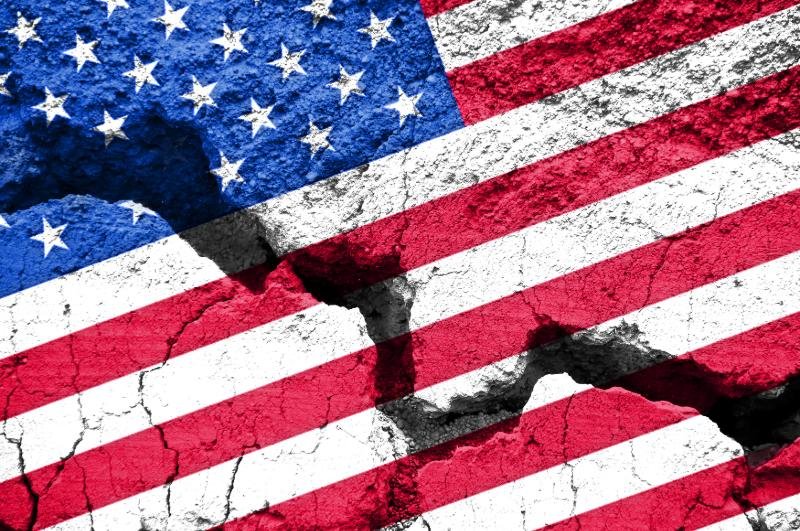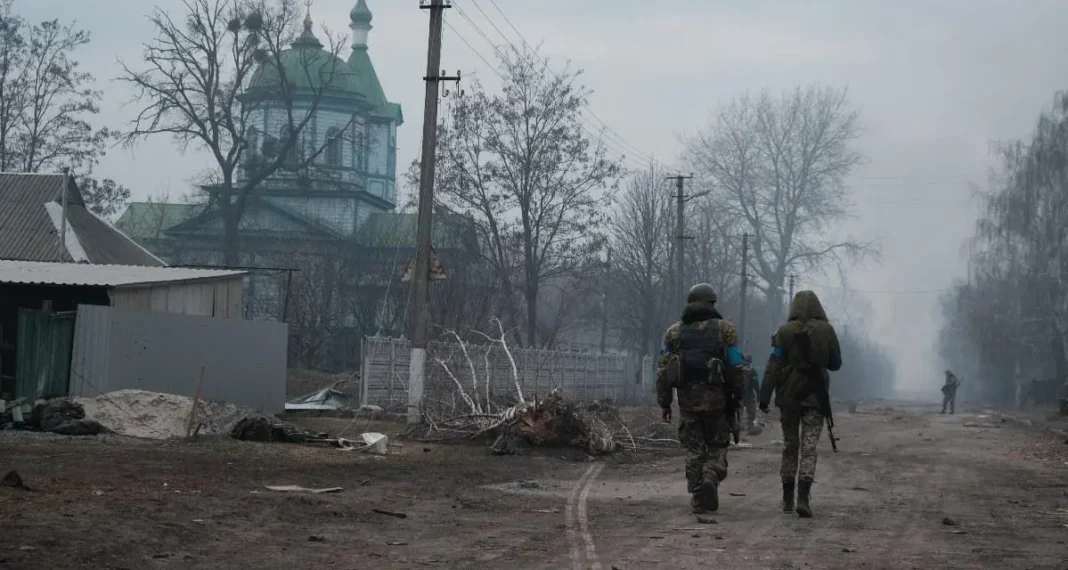

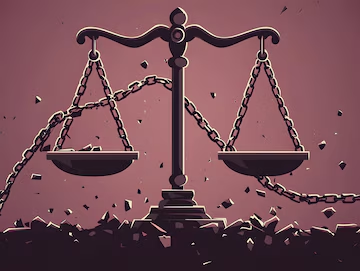
For decades, the world has been told a comforting story: that global affairs are governed by international law, institutions, and a “rules-based order.” In reality, this narrative collapses the moment real power is tested. The truth is blunt and uncomfortable—the modern world is not ruled by laws, but by power, and the idea of a fair international order is largely a myth.
⚖️ International Law: Powerful on Paper, Powerless in Practice
International law looks impressive in textbooks and summit declarations. Treaties, conventions, and global courts promise justice, accountability, and restraint. Yet history shows a clear pattern: laws apply selectively, and enforcement depends on power.
When powerful nations violate norms, consequences are diluted or delayed. When weaker nations do the same, punishment is swift and absolute. This imbalance exposes the core flaw of the global system—law without equal enforcement is not law, it is leverage.
🌍 Institutions That Observe, Not Decide
Global institutions were created to prevent chaos, but over time they have become observers rather than decision-makers. They issue statements, call for restraint, and demand investigations—yet rarely determine outcomes.
Wars continue, borders change, and sanctions are imposed not by institutions, but by states with influence. The real decisions are made in capitals, not conference halls.
🔥 Morality Ends Where Interests Begin
Every major power claims moral high ground, but morality often ends where strategic interests begin. Human rights, sovereignty, and international norms are defended when convenient—and ignored when costly.
This selective morality has eroded trust in the global system. For much of the world, especially the Global South, the message is clear: principles are flexible, power is not.
🧩 The Reality of Power Politics

Global politics today is shaped by:
-
Military capability
-
Economic leverage
-
Control over resources and technology
-
Strategic alliances
These factors decide outcomes far more reliably than legal arguments. Power does not abolish law—it simply overrides it when necessary.
🌐 What This Means for Smaller Nations
For smaller and developing nations, this reality forces hard choices. Survival depends less on appealing to international justice and more on strategic balancing, alliances, and self-reliance.
Those who understand the power game adapt. Those who rely solely on rules are often disappointed.
🔮 A World Without Illusions
This is not an argument against international law—but a call to stop pretending it governs the world equally. A realistic understanding of global order allows nations to act pragmatically rather than idealistically.
The future will not be shaped by who has the strongest legal argument, but by who has the capacity to influence outcomes.
🧠 Final Thought
The global order was never truly rules-based—it was power-based with rules written by the powerful. Acknowledging this reality is not cynical; it is necessary.
Only by shedding illusions can nations protect their interests in an increasingly competitive world. Because in geopolitics, justice follows power—not the other way around.