
🌍 Introduction
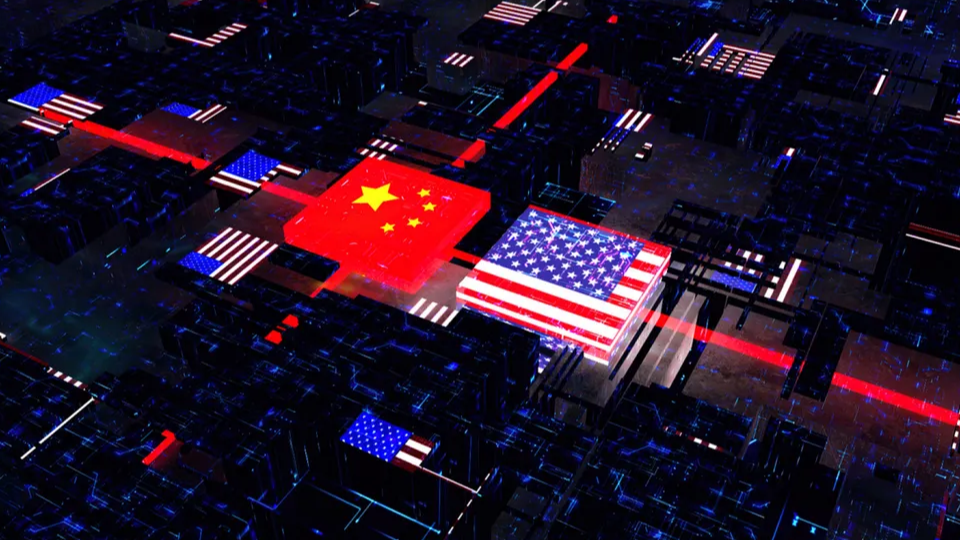
Technology has emerged as one of the most critical arenas of geopolitical competition in the 21st century. Governments are increasingly using export controls, investment restrictions, and technology regulations as strategic tools. This shift has led analysts to describe the current phase of global competition as a new Cold War in technology, where innovation, supply chains, and standards are central to power.
🧠 Why Technology Matters in Geopolitics
Advanced technologies such as:
-
Semiconductors
-
Artificial intelligence
-
Quantum computing
-
Advanced manufacturing
are no longer just economic assets — they are national security priorities. Control over these technologies influences military capability, economic resilience, and global influence.
⚙️ Rise of Export Controls
Export controls are being used to:
-
Limit access to sensitive technologies
-
Protect domestic innovation ecosystems
-
Prevent strategic rivals from advancing military and surveillance capabilities
Recent measures have focused heavily on chip manufacturing equipment, advanced computing components, and dual-use technologies.
🌍 Impact on Global Alliances
Technology restrictions are reshaping alliances by:
-
Forcing countries to choose between competing tech ecosystems
-
Encouraging “trusted partner” supply chains
-
Deepening coordination among like-minded states
At the same time, these controls are accelerating fragmentation in global technology markets.
🏭 Supply Chain Reconfiguration

To reduce vulnerability, governments are promoting:
-
Domestic manufacturing
-
Friend-shoring of critical components
-
Strategic stockpiling
While these steps improve resilience, they also increase costs and reduce efficiency.
🌐 Global South and Emerging Economies
For developing countries, the tech rivalry presents challenges:
-
Limited access to advanced technologies
-
Pressure to align with specific blocs
-
Higher barriers to digital and industrial development
Balancing national interests amid competing technology standards is becoming increasingly complex.
🔍 Looking Ahead
The technology-driven geopolitical competition is likely to intensify. How nations manage cooperation, competition, and regulation will shape the future global order, innovation landscape, and economic integration.