
The Strait of Hormuz is once again at the centre of a global crisis. As tensions linked to Iran continue to disrupt shipping in the Gulf, this narrow sea route has become one of the most dangerous and most important places on Earth. What makes Hormuz so critical is simple: a huge portion of the world’s oil and gas trade passes through it. When this chokepoint is threatened, the effects are felt far beyond West Asia. Fuel prices rise, shipping slows, and major economies begin preparing for shock.
This is why the Strait of Hormuz crisis is not just a regional story. It is a global pressure point. For TEJWAS readers, understanding Hormuz is essential because it explains how one narrow waterway can influence war, energy security, and world stability all at once.
What Is the Strait of Hormuz?
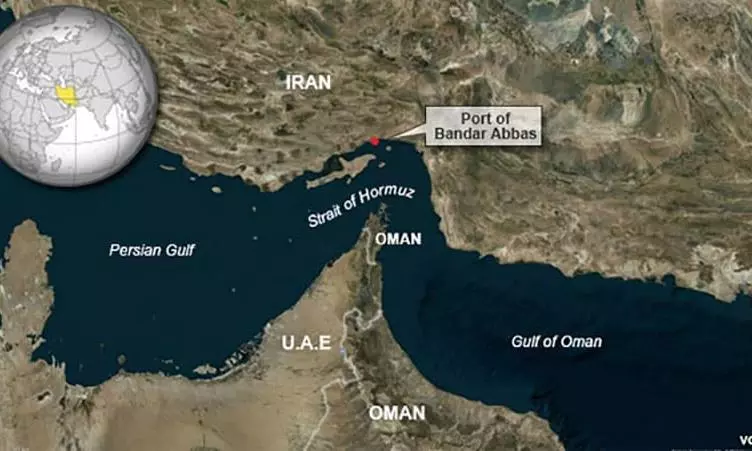
The Strait of Hormuz is a narrow maritime passage connecting the Persian Gulf to the Gulf of Oman and the Arabian Sea. It lies between Iran to the north and Oman to the south, making it one of the most strategically sensitive waterways in the world. Every day, a large volume of crude oil, refined fuel, and liquefied natural gas moves through this route.
Because many of the world’s top energy exporters depend on it, even a temporary disruption can send shockwaves through global markets. In recent weeks, the threat has become very real. Reuters reported that large numbers of ships were dropping anchor in the Gulf rather than moving freely, showing how the conflict has already damaged confidence in the route.
Why This Chokepoint Matters So Much
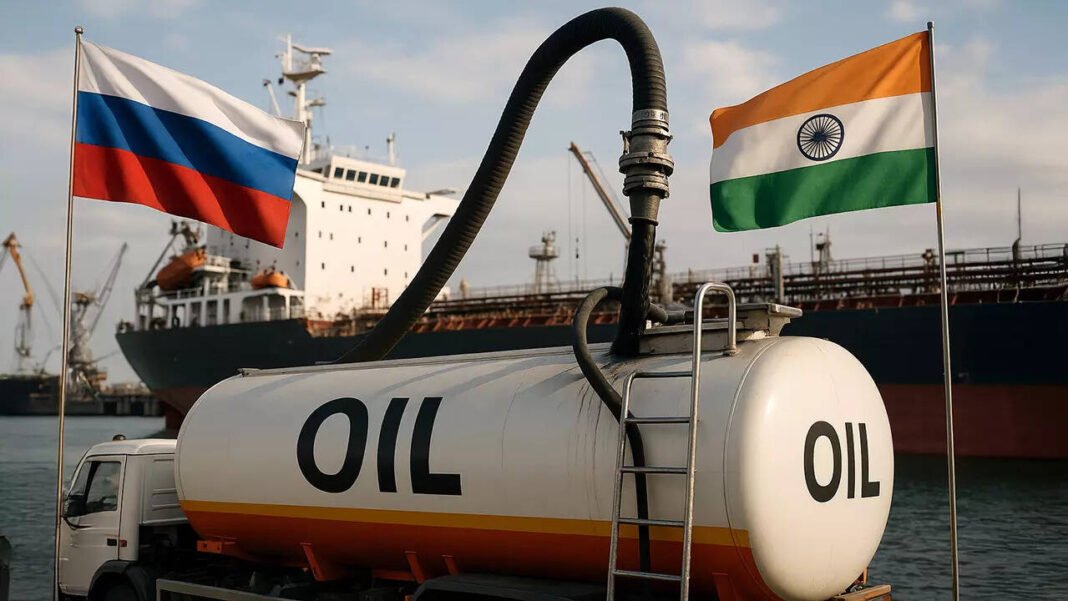
Hormuz matters because it is not just a shipping lane. It is the energy artery of the world economy. Countries in Asia, especially India, China, Japan, and South Korea, rely heavily on crude and gas flows from this route. Europe and global commodity markets are also affected by anything that threatens free movement there.
When military tensions rise around Hormuz, oil traders do not wait for full closure to react. Insurance costs jump, tankers change routes, delays pile up, and crude prices move higher. Reuters has reported that the latest Iran-linked tensions caused a major anchoring buildup and forced shipping players to prepare for extended instability.
That is why a conflict in this area can affect households around the world even if they are thousands of kilometres away from the Gulf.
What Triggered the Current Strait of Hormuz Crisis?
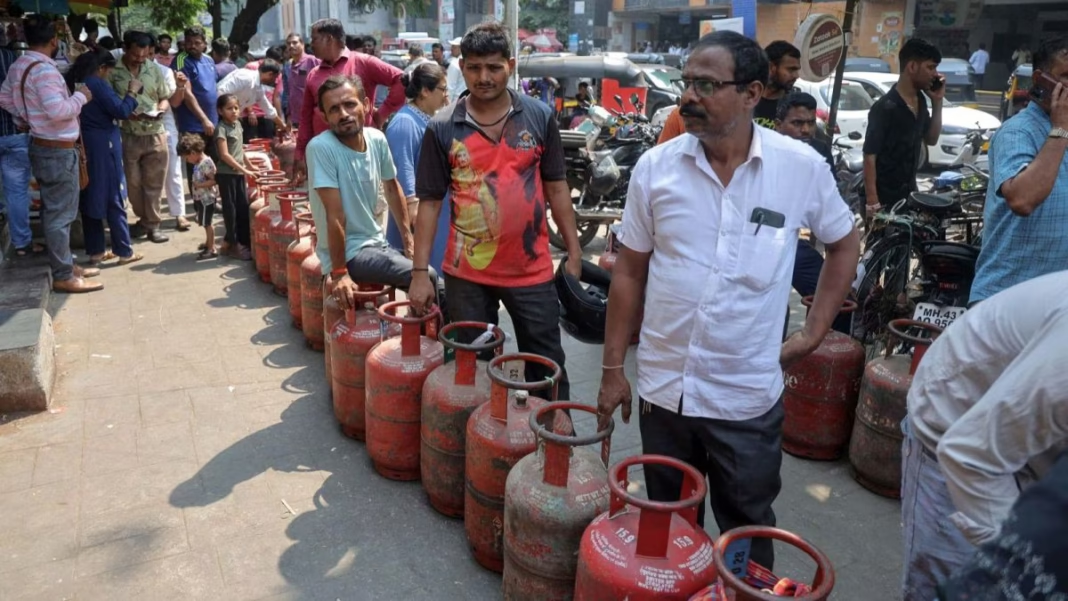
The current crisis is tied to the wider escalation involving Iran, U.S. military activity, and fears of attacks on regional shipping. As tensions expanded, vessel operators began treating the Gulf as a high-risk zone. Reuters reported that shipping disruption became severe enough to affect LPG and fuel flows into India, contributing to shortages and supply stress.
This shows how quickly a war scare in the Gulf can move from military headlines to real-world economic consequences. The problem is not only whether the strait is formally closed. The bigger issue is whether ships, insurers, and governments still feel safe using it normally.
How the World Gets Hit by a Hormuz Disruption
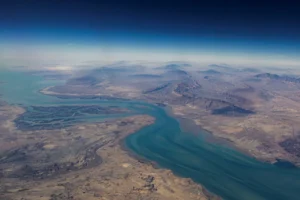
A Hormuz crisis affects the world in several layers. The first is oil and gas prices. When supplies are threatened, markets react immediately. The second is shipping. Delays, rerouting, and higher insurance costs raise the price of trade. The third is inflation. If fuel becomes more expensive, transport and production costs rise across the board.
For import-dependent countries like India, the threat is especially serious. Reuters reported that the energy shock linked to Hormuz was already affecting LPG availability in India and putting pressure on the rupee.
In other words, Hormuz is not just about tankers. It is about inflation, currencies, domestic politics, and economic stability.
Why the Strait of Hormuz Is Also a Military Flashpoint
Beyond economics, Hormuz is a military trigger zone. Iran has long viewed the strait as a strategic leverage point. The U.S. and its partners, on the other hand, see freedom of navigation there as non-negotiable. This creates a dangerous pattern where every rise in regional tension raises the risk of confrontation at sea.
That makes Hormuz different from many other trade routes. It is not only economically important. It is also deeply militarised. A single attack, seizure, or miscalculation can rapidly draw in larger powers and widen the conflict.
Conclusion
The Strait of Hormuz crisis is a reminder that geography still shapes geopolitics. One narrow passage between Iran and Oman now holds the power to disrupt fuel prices, strain global trade, and intensify military confrontation. What happens there does not stay there.
For TEJWAS readers, the main lesson is clear: the modern world remains extremely vulnerable to a few strategic chokepoints, and Hormuz is the most explosive of them all. When that artery is under threat, the entire world feels the pressure.
Follow us on instagram @thetejwas.