
Saudi Oil Tanker Carrying 1 Million Barrels Highlights Strategic Energy Routes
A massive oil tanker carrying around 1 million barrels of crude oil from Saudi Arabia has once again drawn attention to the importance of global maritime energy routes. In a world where geopolitical tensions increasingly intersect with energy markets, even a single tanker shipment represents a critical link in the global oil supply chain.
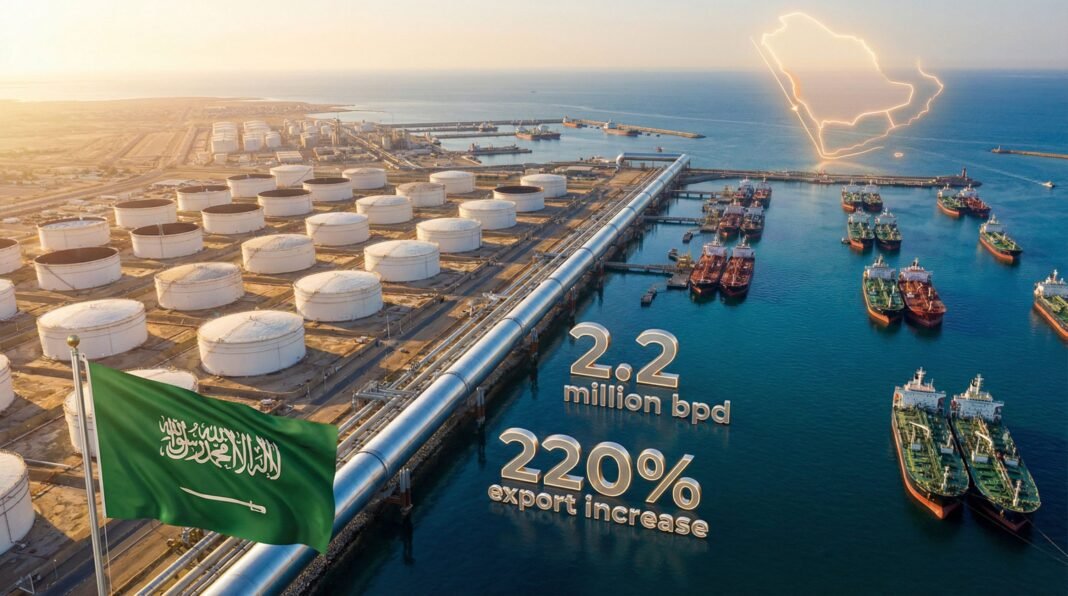
Saudi Arabia, the world’s largest crude exporter, ships millions of barrels of oil daily across key maritime chokepoints. Each tanker voyage reflects not only commercial energy trade but also the strategic vulnerability of global energy flows.
The Strategic Context of Saudi Oil Shipments
Saudi Arabia exports most of its crude oil via sea routes to markets in Asia, Europe, and beyond. A single tanker carrying 1 million barrels can supply refineries for days, depending on demand and processing capacity.
Large crude carriers often travel through critical maritime corridors such as the Strait of Hormuz, one of the most important oil transit chokepoints in the world. Nearly 20% of global oil trade passes through this narrow passage linking the Persian Gulf with international markets.
Any tanker movement from Saudi ports therefore represents a vital part of the global energy ecosystem.
Why 1 Million Barrels Matters
To put the shipment into perspective:
-
1 million barrels of crude oil equals roughly 159 million liters of oil.
-
That volume can power millions of vehicles or supply multiple refineries.
-
It represents a significant cargo even for large oil tankers.
In volatile geopolitical environments, such shipments carry more than economic value. They symbolize the continued functioning of the global oil market despite conflict risks, sanctions, or regional instability.
Energy traders and governments closely monitor tanker movements because disruptions can immediately influence global oil prices.
Global Energy Markets and Oil Shipping
Organizations like OPEC, where Saudi Arabia plays a leading role, closely manage oil production levels to stabilize global markets. However, production decisions only matter if oil can safely reach consumers.
Shipping routes therefore remain a crucial element of energy security.
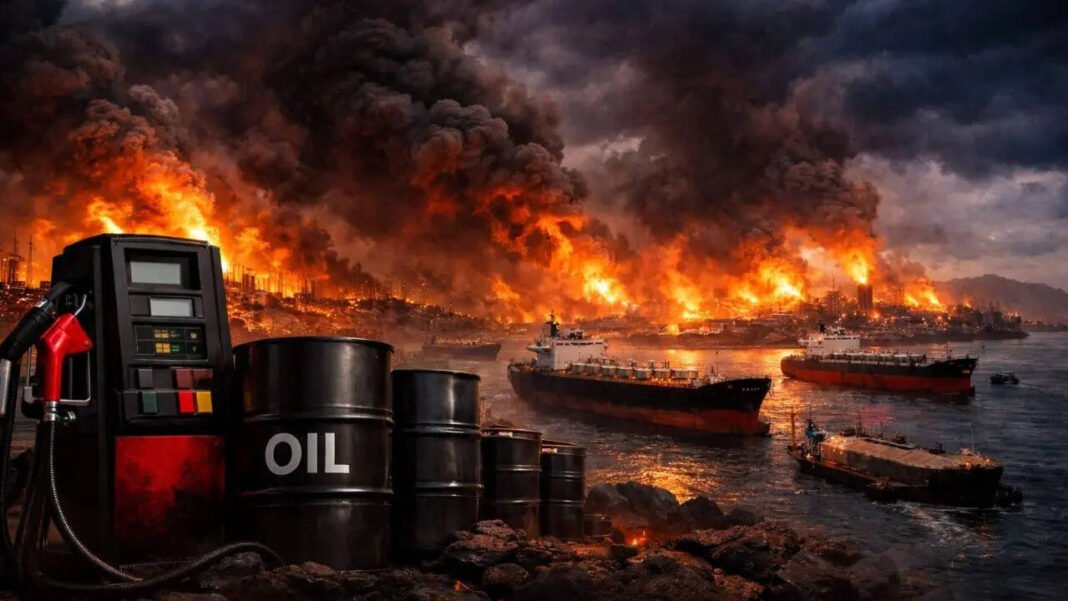
Events such as naval tensions, drone attacks, or sanctions can threaten tanker traffic in strategic waterways. When these risks emerge, shipping insurance costs rise, tanker routes change, and oil prices often spike in response.
Why India and Asia Watch These Shipments Closely
Asian economies are among the largest consumers of Saudi crude. Countries like India, China, Japan, and South Korea depend heavily on Middle Eastern energy supplies.
For India in particular, maritime oil flows are a national strategic priority. The country imports nearly 85% of its crude oil, much of it transported via tanker shipments similar to the 1-million-barrel cargo from Saudi Arabia.
Any disruption to these routes could immediately affect fuel prices, inflation, and economic stability across Asia.
The Geopolitics Behind Oil Tankers
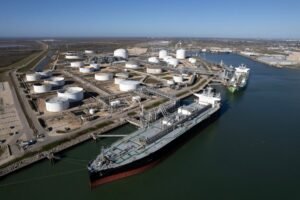
Oil tankers are increasingly becoming part of global strategic calculations. In times of conflict or heightened geopolitical tension, they can become:
-
Targets of maritime attacks
-
Instruments of economic pressure
-
Indicators of shifting alliances or sanctions enforcement
Recent global tensions in the Middle East have shown how quickly shipping routes can become contested.
As a result, naval forces from major powers—including the United States, regional Gulf states, and international coalitions—regularly patrol key shipping lanes to protect tanker traffic.
Long-Term Implications
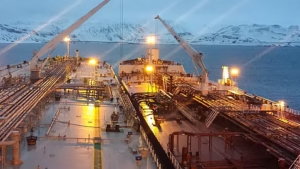
The shipment of 1 million barrels of Saudi crude may appear routine, but it reflects deeper strategic realities:
-
Global energy markets remain deeply dependent on maritime oil flows.
-
The Middle East continues to dominate crude export supply.
-
Strategic chokepoints like the Strait of Hormuz will remain geopolitical flashpoints.
As energy demand grows across Asia and the global economy remains dependent on fossil fuels, the security of tanker shipments will remain central to international politics.
For policymakers and strategic observers, each tanker voyage represents more than oil—it represents the fragile balance between global commerce and geopolitical rivalry.