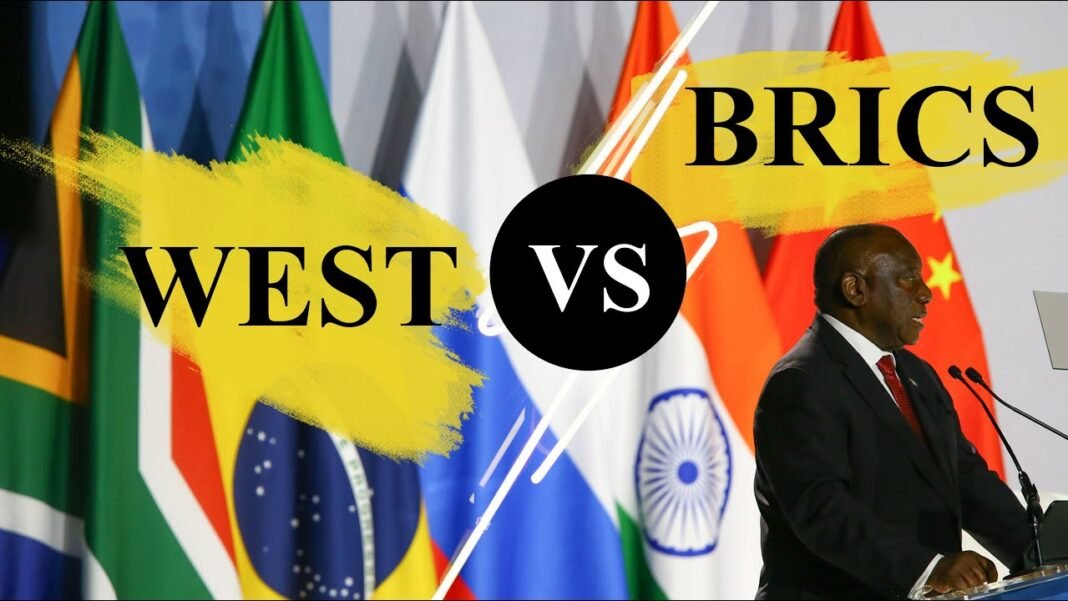

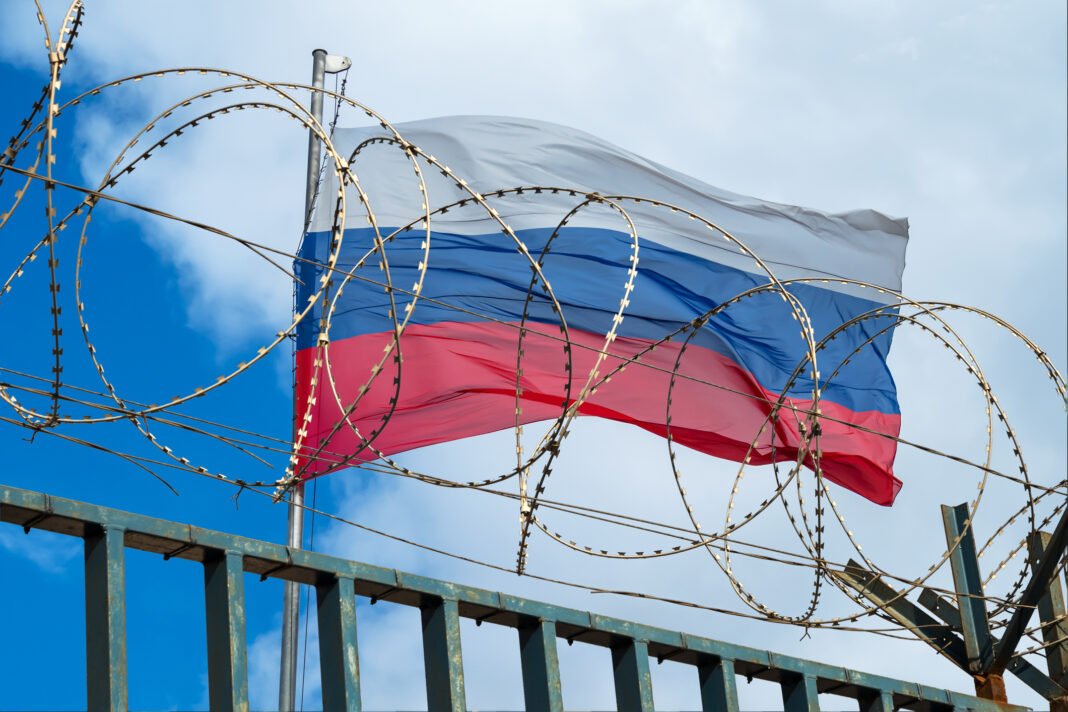
Western nations have imposed one of the most extensive sanctions regimes in modern history on Russia. From banking restrictions and energy bans to technology embargoes, the objective was clear: economically isolate Moscow and weaken its global influence. Yet years into this pressure campaign, Russia remains far from isolated.
Instead, the sanctions era has revealed a deeper geopolitical reality—economic warfare does not guarantee strategic success.
How Russia Adapted to Sanctions
Rather than collapsing under pressure, Russia rapidly restructured its economic and trade strategies. Energy exports were redirected toward Asia, particularly China and India, often at discounted prices but in high volumes. Domestic industries were incentivized to replace Western imports, accelerating self-reliance in key sectors.
Russia also strengthened alternative payment systems and reduced dependence on Western financial institutions, limiting the long-term impact of banking sanctions. The result has been economic pain—but not economic paralysis.
China and the Global South: A Strategic Safety Net
One of the most significant miscalculations of Western sanctions was the assumption of global compliance. While Europe and North America aligned closely, much of the Global South chose neutrality.
China emerged as Russia’s most important strategic partner, increasing energy imports and trade volumes. Meanwhile, countries across Africa, Latin America, and Southeast Asia maintained economic ties, driven by national interests rather than ideological alignment.
For many developing nations, sanctions were viewed as Western tools of coercion, not global consensus measures.
BRICS and the Multipolar Escape Route
Russia’s deeper integration into BRICS and non-Western economic platforms has further reduced the effectiveness of isolation. Trade conducted in local currencies, alternative financing mechanisms, and shared political interests have provided Moscow with diplomatic breathing room.
This growing multipolar alignment challenges the traditional dominance of Western-led institutions and highlights a world where economic pressure no longer operates unilaterally.
The Limits of Economic Warfare
Sanctions remain a powerful tool—but they are not a substitute for strategy. While they can constrain growth and complicate military logistics, they rarely force policy reversals when the targeted state has:
-
Strategic resources
-
Alternative markets
-
Strong political control
In Russia’s case, sanctions have arguably reinforced domestic narratives of resistance, strengthening internal cohesion rather than weakening it.
What This Means for Global Diplomacy
The failure to isolate Russia completely raises serious questions about the future of sanctions as a diplomatic weapon. As more nations seek economic diversification and financial autonomy, the leverage of sanctions may continue to erode.
The Russia case signals a broader shift: power is diffusing, and pressure alone cannot dictate outcomes in a multipolar world.
Conclusion: Pressure Without Strategy Falls Short
Western sanctions have reshaped Russia’s economy—but not its global standing. Instead of isolation, the world is witnessing realignment. The lesson is clear: without comprehensive strategy and diplomatic engagement, economic pressure alone cannot reshape global behavior.
In today’s geopolitical landscape, influence is negotiated—not enforced.