
Nearly eight decades after nuclear weapons were first used, nuclear deterrence remains one of the most controversial pillars of global security. In 2025, with rising geopolitical tensions, arms modernization, and fading arms-control agreements, the world faces a critical question: does nuclear deterrence still keep us safe—or has it become more dangerous than ever?
As major powers recalibrate their strategies, the logic of deterrence is being tested in unprecedented ways.
The Core Idea Behind Nuclear Deterrence
Nuclear deterrence is built on a simple but chilling principle: the threat of total destruction prevents war. The belief that no rational actor would initiate a nuclear conflict has historically restrained direct clashes between nuclear-armed states.
For decades, this doctrine helped avoid large-scale wars between superpowers. But deterrence depends on rational decision-making, stable communication, and mutual understanding—conditions that are increasingly fragile in today’s world.
A New Era of Nuclear Modernization
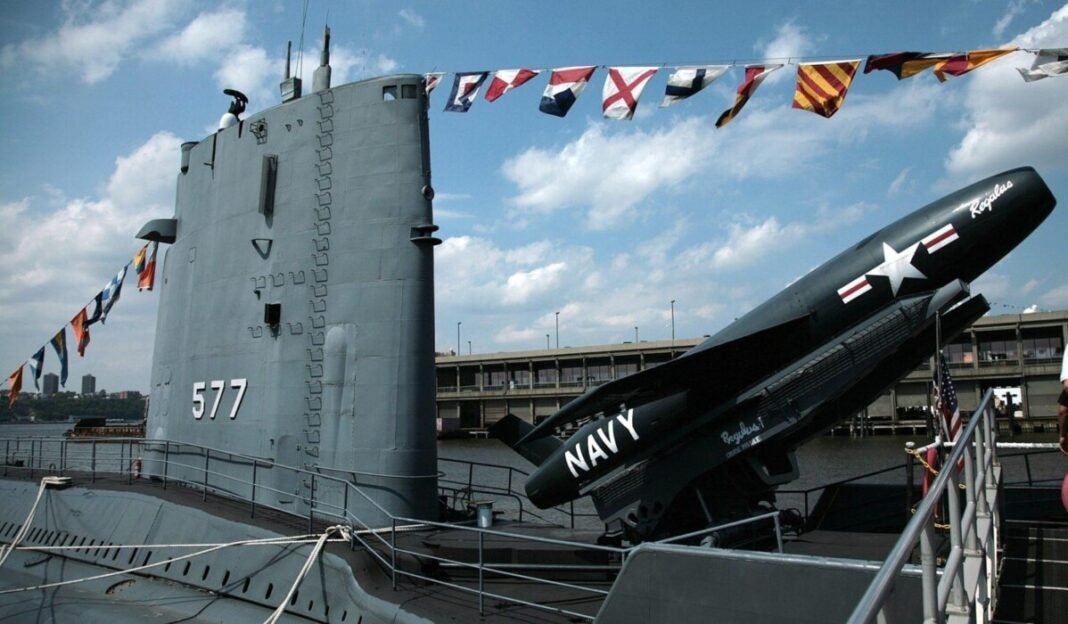
In 2025, nuclear weapons are no longer relics of the Cold War. Major powers are actively modernizing their arsenals:
-
The United States and Russia continue upgrading delivery systems despite arms-control setbacks
-
China is rapidly expanding its nuclear capabilities
-
India and Pakistan maintain deterrence amid regional instability
These developments raise concerns that modernization may lower the threshold for nuclear use rather than strengthen stability.
Rising Flashpoints and Nuclear Risk
Unlike the bipolar Cold War era, today’s nuclear landscape is multipolar and unpredictable. Multiple flashpoints increase the risk of escalation:
-
Eastern Europe
-
The Middle East
-
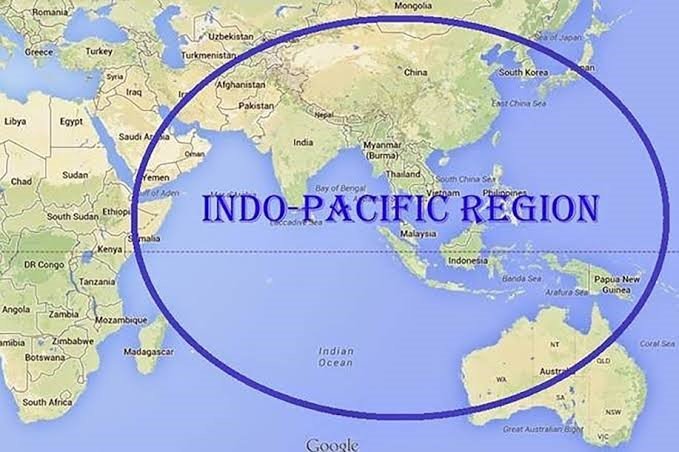
The Indo-Pacific
Regional conflicts, miscalculations, or cyber interference in nuclear command systems could escalate faster than diplomatic channels can respond.
The Collapse of Arms Control Frameworks
One of the most alarming trends is the erosion of arms-control agreements. Treaties that once limited nuclear stockpiles and built trust have weakened or collapsed altogether.
Without effective arms control, transparency declines and suspicion rises—making deterrence less stable and more prone to dangerous misinterpretation.
Does Deterrence Still Work in 2025?
Supporters argue that nuclear deterrence still prevents catastrophic war by maintaining a balance of fear. Critics counter that:
-
More nuclear actors increase accident risk
-
Emerging technologies like AI and cyber warfare undermine stability
-
Political polarization reduces rational restraint
Deterrence may still function—but under far more volatile conditions.
A More Dangerous Balance?
The paradox of nuclear deterrence in 2025 is that while it continues to prevent full-scale nuclear war, it may also be normalizing permanent crisis conditions. Close calls, proxy conflicts, and strategic ambiguity now define global security.
The margin for error has narrowed dramatically.
Conclusion: Safer, or Simply Luckier?
Nuclear deterrence has not collapsed—but it is under severe strain. The world may not be safer, but rather surviving on borrowed time and strategic caution.
Whether deterrence remains a stabilizing force or becomes a trigger for catastrophe will depend on leadership decisions, diplomacy, and the ability to rebuild trust in an increasingly fractured world order.