

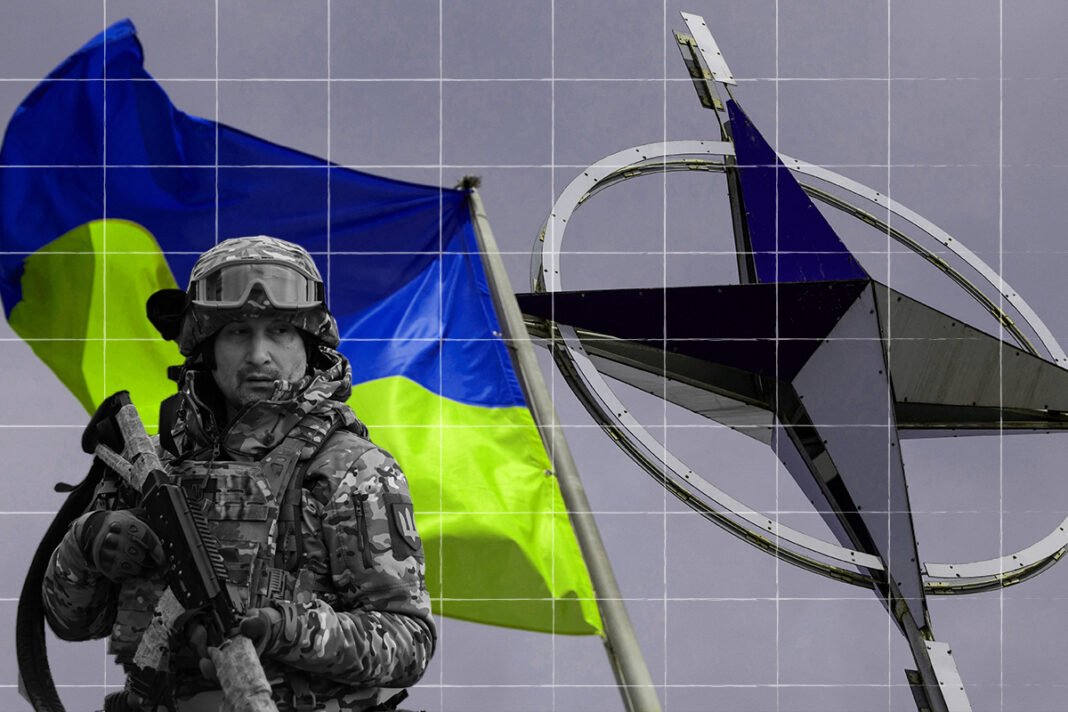
The war in Ukraine has triggered the most significant transformation of European security since the Cold War. At the center of this shift stands the United States, shaping strategy not only to support Kyiv but also to redefine NATO’s purpose, expand its reach, and contain Russia for the long term.
From Washington’s strategic lens, Ukraine is not just a battlefield—it is a turning point in global power politics.
🎯 Ukraine Through the US Strategic Lens
For the United States, the Ukraine war offers a way to weaken Russia without direct military confrontation. By supplying weapons, intelligence, and financial aid, Washington has enabled Ukraine to resist Russian forces while avoiding American boots on the ground.
This strategy achieves multiple objectives:
-
Degrading Russian military capability
-
Demonstrating US commitment to allies
-
Reinforcing deterrence against other adversaries
The conflict has effectively become a test of endurance between Western-backed Ukraine and a sanctioned Russia.

🛡️ NATO Expansion and Revival
Before the war, NATO faced internal doubts about its relevance. Ukraine changed that overnight.
-
Finland and Sweden’s accession expanded NATO’s northern flank
-
Defense spending surged across Europe
-
US leadership within the alliance strengthened
NATO has transformed from a defensive bloc into an active deterrence force, with Washington at the center of strategic planning.
⚔️ Russia Containment Strategy
From Washington’s perspective, containing Russia is about preventing future territorial aggression and preserving the European security order. Economic sanctions, energy pressure, and diplomatic isolation aim to limit Moscow’s long-term capacity to project power.
Critics argue this approach risks hardening divisions and prolonging the conflict, while supporters see it as necessary to uphold international norms.
🌍 Europe’s Strategic Dependence
The war has deepened Europe’s reliance on US military and energy support. American LNG has replaced Russian gas, and US defense systems are increasingly embedded across the continent.
While this enhances security, it also raises concerns about Europe’s strategic autonomy and economic burden.
🔮 Long-Term Consequences for Europe
The reshaping of European security carries lasting implications:
-
A more militarized Europe
-
Prolonged tensions with Russia
-
Increased defense spending at the cost of social programs
The continent faces a future defined by deterrence rather than détente.
🧠 A New Security Architecture
The Ukraine war marks the end of post-Cold War assumptions. Europe’s security architecture is being rewritten, with NATO and the US as its central pillars.
Whether this leads to lasting stability or entrenched confrontation will depend on diplomacy, conflict resolution, and the willingness of all sides to manage escalation.
One reality is clear: Washington’s strategy in Ukraine is redefining Europe’s security landscape for a generation.