
Strategic Context
Amid rising tensions in the Middle East and expanding maritime risks in the Indian Ocean, humanitarian naval cooperation has emerged as a stabilizing factor. India’s swift response to assist a distressed Iranian warship near Sri Lanka has drawn praise from Tehran, highlighting New Delhi’s commitment to maritime safety and international obligations.
The incident occurred during a period of heightened geopolitical conflict involving Iran, the United States, and Israel, making India’s rescue effort strategically significant beyond its humanitarian nature.
What Happened
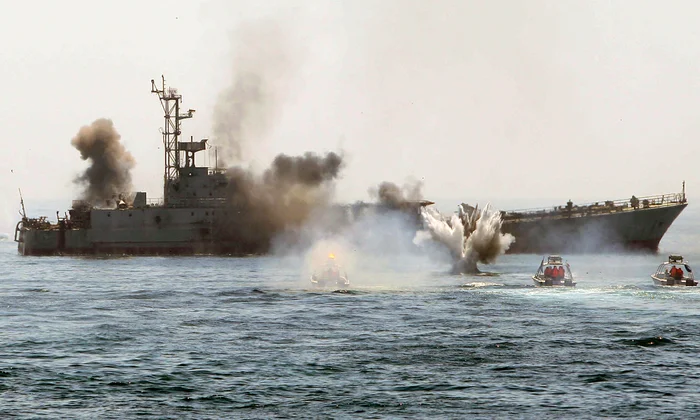
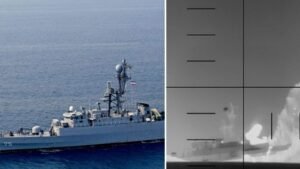
The Iranian naval frigate IRIS Dena, which had recently participated in a multinational naval exercise hosted by India, encountered disaster near the southern coast of Sri Lanka after reportedly being struck by a torpedo fired from a US submarine.
The strike occurred in international waters roughly 20 nautical miles off Sri Lanka’s coast, leaving the vessel critically damaged and triggering a distress call. The attack resulted in heavy casualties among the crew, with dozens killed and several others missing.
Following the distress signal, the Indian Navy immediately launched a search-and-rescue mission. An Indian naval vessel operating in the region was deployed to assist the stricken warship, while maritime patrol aircraft were also dispatched to support rescue operations and coordinate with Sri Lankan authorities.India’s response was conducted in coordination with Sri Lanka’s maritime rescue authorities, which oversee the search-and-rescue zone where the incident occurred.
Iran’s Response
Iranian officials publicly acknowledged India’s rapid assistance and praised the humanitarian nature of the response. Iranian diplomats noted that the warship had recently visited India for naval exercises and described the Indian Navy’s actions as consistent with international maritime norms.
Tehran emphasized that responding to distress calls at sea is a fundamental obligation under global maritime law. Iran also highlighted that India’s assistance demonstrated professionalism and neutrality despite the wider geopolitical conflict unfolding between Iran and Western powers.The Iranian government simultaneously condemned the strike on the warship, describing it as an unjustified act of aggression in international waters.
Why It Matters
1. India’s Role as a Responsible Maritime Power
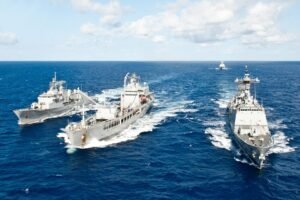
India’s quick deployment of rescue assets reinforces its reputation as a responsible security provider in the Indian Ocean Region (IOR). Regardless of geopolitical alignments, responding to maritime distress calls remains a core obligation under international conventions.
2. Strategic Balance in the Iran–US Conflict
The rescue operation allowed India to maintain a delicate diplomatic balance. While India has strong strategic partnerships with Western countries, it also maintains longstanding ties with Iran—particularly in energy security and connectivity projects such as the Chabahar port.
3. Growing Instability in the Indian Ocean
The sinking of an Iranian warship near Sri Lanka highlights how the expanding Iran-US confrontation is spilling into wider maritime spaces. For countries like India, this raises concerns about shipping security, naval escalation, and regional stability.
Who Benefits
India strengthens its image as a neutral maritime stabilizer capable of responding quickly to crises in the Indian Ocean.
Iran gains diplomatic reassurance that regional partners are willing to uphold humanitarian norms even amid conflict.
Regional maritime security frameworks benefit from continued adherence to international search-and-rescue obligations, which remain essential in congested sea lanes.
Risks and Strategic Implications
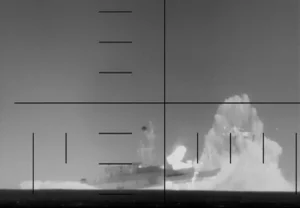
Despite the humanitarian cooperation, the broader geopolitical context remains volatile. The attack on the Iranian warship is widely seen as part of the escalating US-Iran confrontation, which has already disrupted maritime security and raised fears of wider naval conflict.For India, the incident underscores the challenges of navigating great-power rivalries in its immediate maritime neighborhood. The Indian Ocean is increasingly becoming a theatre where global conflicts intersect with regional security dynamics.
Long-Term Outlook
India’s rescue operation illustrates a key element of its maritime strategy: combining humanitarian response with strategic neutrality. As conflicts expand beyond traditional battlefields into global sea lanes, such actions reinforce India’s position as a stabilizing force in the Indo-Pacific.
At the same time, the sinking of the Iranian warship near Sri Lanka signals a worrying trend—major power conflicts are increasingly spilling into international waters close to critical maritime chokepoints.For New Delhi, balancing humanitarian obligations, diplomatic relationships, and maritime security will remain a defining challenge in the evolving geopolitics of the Indian Ocean.
Follow our page @tejwas_ for daily updates.
More from world;