
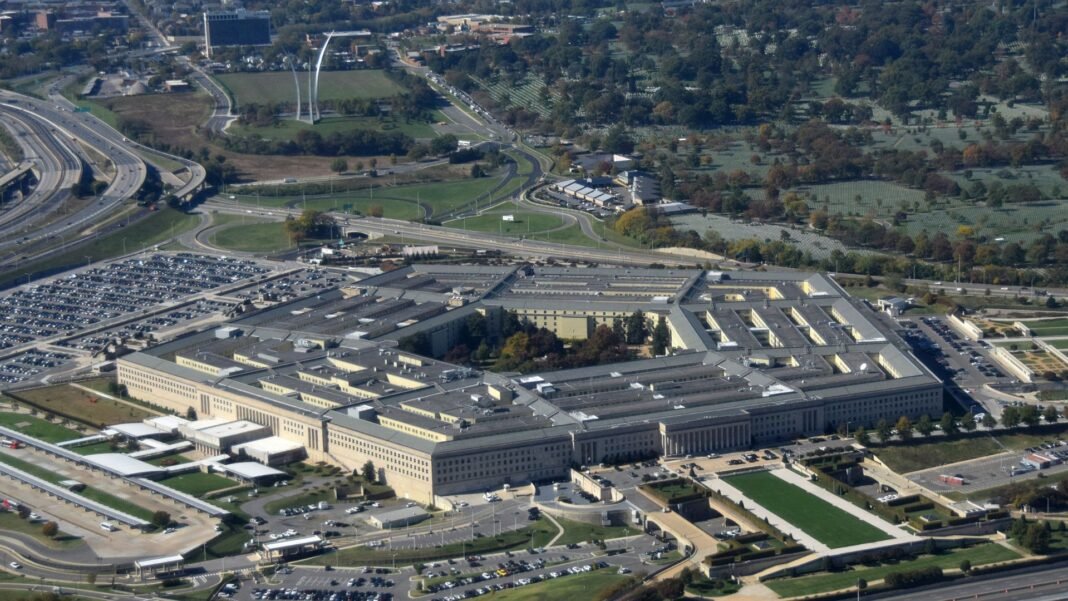
Few concepts explain American power as clearly—and controversially—as the US military-industrial complex. Coined by President Dwight D. Eisenhower in 1961, the term warned of a growing nexus between the military, defense contractors, and political decision-makers. More than six decades later, that warning appears increasingly relevant as global conflicts continue to align with American strategic and economic interests.
🧩 What Is the Military-Industrial Complex?
At its core, the military-industrial complex is the close relationship between:
-
The US Department of Defense
-
Defense corporations manufacturing weapons and systems
-
Lawmakers and lobbyists influencing policy and budgets
Together, this network shapes defense spending, foreign policy priorities, and global military engagement.
💰 Defense Corporations and Lobbying Power
America’s largest defense firms—producing fighter jets, missiles, drones, and surveillance systems—depend heavily on government contracts. These corporations invest heavily in lobbying, ensuring sustained or increased military budgets.
This influence creates a system where:
-
Threats are amplified
-
Military solutions are prioritized
-
Long-term peace offers fewer incentives than prolonged readiness
The result is a constant cycle of demand for new weapons and technologies.
🌍 Global Conflicts and Strategic Interests
The US is rarely a direct battlefield, yet it remains deeply involved in conflicts across the globe. From Eastern Europe to the Middle East and the Indo-Pacific, American military aid and arms supplies shape outcomes without full-scale deployment.
These engagements serve multiple purposes:
-
Containing rival powers
-
Testing advanced weapon systems
-
Strengthening alliances dependent on US arms
This approach allows Washington to project power while limiting domestic political costs.
🔫 Arms Exports and Proxy Warfare
The United States is the world’s largest arms exporter, supplying weapons to dozens of countries. Conflicts drive demand, and demand drives profits.
Proxy wars—where local forces fight with US-supplied weapons—extend American influence without direct confrontation. These wars also lock partner nations into long-term dependence on US maintenance, training, and upgrades.
🧠 Why Prolonged Tensions Benefit the US
While war carries human and moral costs, prolonged geopolitical tension offers strategic advantages:
-
Sustains defense industry growth
-
Reinforces US leadership within alliances
-
Weakens rival economies through attrition
Tensions without direct war keep the global security order centered on American capabilities.
⚖️ Strategic Necessity or Structural Incentive?
Supporters argue that a strong military-industrial base is essential for deterrence and national security. Critics counter that profit motives distort foreign policy, making conflict more likely and peace less profitable.
The truth lies somewhere in between—but the influence of the military-industrial complex on American power is undeniable.
🔮 Looking Ahead
As global competition intensifies, the US military-industrial complex will remain a cornerstone of American strategy. Whether it continues to safeguard security or perpetuate endless conflict depends on political oversight, transparency, and global accountability.
One thing is clear: for the United States, war is not just a security issue—it is also an economic and strategic engine.