
Strategic Context: Iran War Sends Shockwaves Through Global Energy Markets
The escalating conflict involving Iran in West Asia has begun to disrupt global energy flows, affecting oil shipments and driving volatility across international markets. For many import-dependent economies in Asia, the crisis has translated into supply shortages and rising fuel costs.
Bangladesh has been among the most affected countries due to its heavy reliance on imported energy. As supply chains from the Middle East face disruptions and shipping routes become uncertain, Dhaka has experienced an acute shortage of diesel and other fuels essential for transportation, electricity generation, and industry.
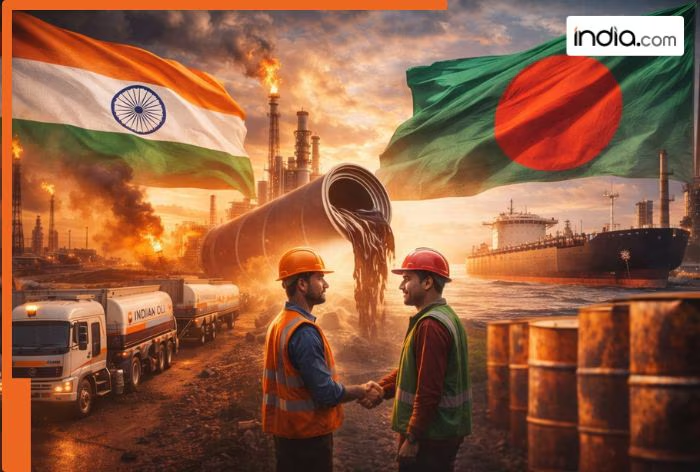
In response to the crisis, India has stepped in to supply emergency fuel to its eastern neighbor, reinforcing regional energy cooperation during a period of global instability.
What Happened: India Pumps 5,000 Tonnes of Diesel to Bangladesh
India has begun supplying 5,000 tonnes of diesel to Bangladesh through the India-Bangladesh Friendship Pipeline, which connects the Numaligarh Refinery in Assam to the Parbatipur depot in northern Bangladesh.
The shipment marks the first delivery under an existing bilateral agreement under which India will supply 180,000 tonnes of diesel annually to Bangladesh. Officials from the Bangladesh Petroleum Corporation confirmed that the current delivery is intended to ease immediate shortages in the country’s fuel market.
Bangladesh has already implemented several emergency measures due to the crisis, including:
-
Fuel rationing in certain sectors
-
Reduced gas supply for industries
-
Temporary shutdown of fertilizer plants to conserve energy
The diesel consignment from India is expected to stabilize fuel supplies for power plants and transportation networks in the short term.
Why It Matters: Bangladesh’s Energy Vulnerability
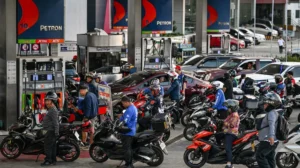
Bangladesh imports nearly 95% of its oil and gas needs, making it extremely vulnerable to disruptions in global supply chains.
The Iran-linked conflict has created uncertainty in the Middle East energy corridor, particularly around key maritime chokepoints that handle a large share of global oil shipments. Even partial disruptions can lead to supply delays, higher freight costs, and reduced availability for import-dependent economies.
For Bangladesh, these pressures have translated into rising fuel costs, rationing measures, and potential risks to electricity generation—an essential component for economic stability.
Who Benefits: India’s Expanding Role in Regional Energy Security

India’s decision to provide diesel highlights its growing role as a regional energy stabilizer in South Asia. By leveraging infrastructure such as the Friendship Pipeline, New Delhi can deliver refined fuel quickly and efficiently to neighboring countries.
The move also reflects improving diplomatic and economic engagement between India and Bangladesh after a period of political uncertainty in Dhaka. Energy cooperation has historically been a key pillar of bilateral ties, with cross-border electricity trade and fuel supplies strengthening economic integration.
Strategically, such cooperation reinforces India’s position as a reliable partner during crises and helps counterbalance external influence in the region.
Risks and Long-Term Implications
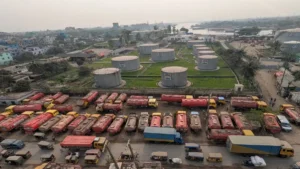
While the diesel shipment offers short-term relief, the broader crisis highlights deeper structural challenges.
First, South Asian economies remain highly dependent on imported fossil fuels. Any disruption in Middle Eastern supply chains—whether due to war, sanctions, or shipping risks—can quickly cascade into regional shortages.
Second, the situation underscores the strategic importance of diversified energy supply routes and regional energy partnerships.
For India, expanding cross-border energy infrastructure may become a key element of its regional diplomacy. Pipelines, power grids, and fuel supply agreements could play a major role in shaping South Asia’s energy security architecture in the coming years.
The Strategic Takeaway
India’s diesel shipment to Bangladesh is more than a humanitarian or economic gesture—it reflects the evolving geopolitics of energy in South Asia.
As global conflicts reshape energy flows, regional cooperation will increasingly determine which countries can weather supply shocks and maintain economic stability.
For Bangladesh, the immediate relief may stabilize fuel markets. For India, the move strengthens its image as a strategic energy partner in a volatile geopolitical landscape.
Follow our page @tejwas_ for daily updates.
More from world;