
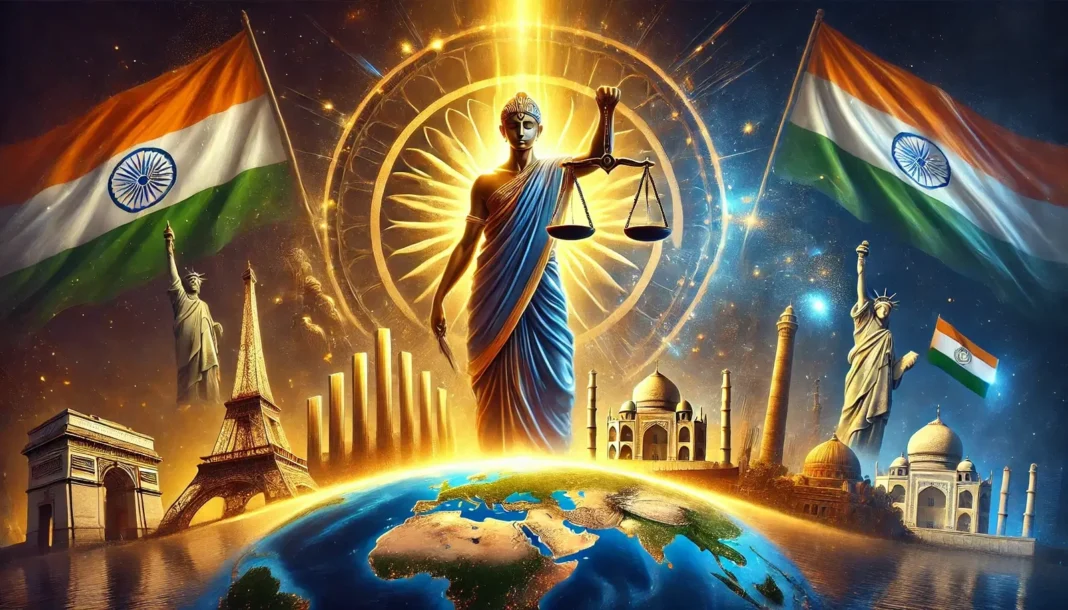
In a world increasingly divided by conflict, one country is quietly positioning itself as a bridge between rival powers — India.
As global tensions rise across regions like the Middle East, Eastern Europe, and the Indo-Pacific, India has chosen a path that is neither loud nor aggressive, but strategic and balanced.
This raises a crucial question: Can India become the world’s next peace mediator?
India’s Unique Geopolitical Position
Unlike many global powers, India maintains relationships across opposing blocs.
It continues strong ties with Russia while deepening partnerships with the United States and Europe. At the same time, India engages actively with Middle Eastern nations like Iran, Saudi Arabia, and the UAE.
This multi-alignment strategy allows India to stay relevant in multiple power circles without being locked into one camp.
In today’s polarized world, this flexibility is not just rare — it is powerful.
Strategic Neutrality or Smart Diplomacy?
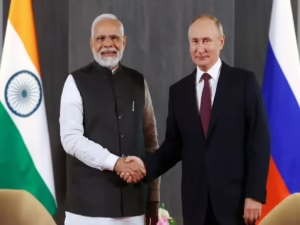
India’s approach is often described as “neutral,” but in reality, it is better understood as strategic autonomy.
Instead of taking sides, India focuses on its national interests while keeping diplomatic channels open with all stakeholders.
For example, during global conflicts, India has avoided direct confrontation while continuing trade, dialogue, and cooperation with all sides.
This balanced stance enhances India’s credibility as a nation that can talk to everyone and be heard by all.
Energy Diplomacy and Crisis Management
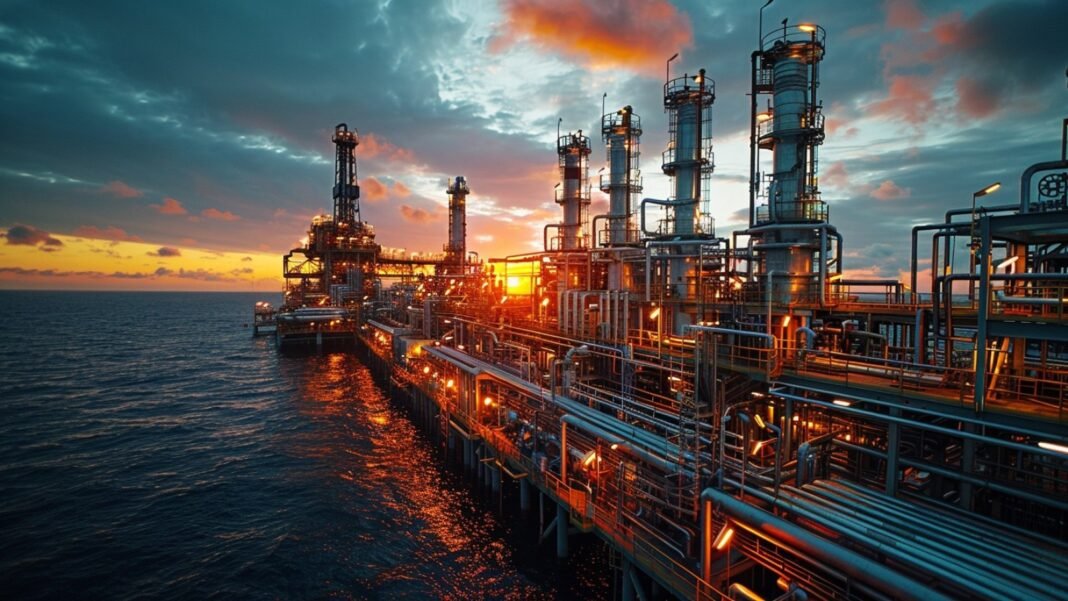
One of the strongest examples of India’s rising influence is its handling of global energy dynamics.
Amid tensions in the Middle East and disruptions in oil supply chains, India has managed to secure energy deals from multiple sources, including countries that are politically opposed to each other.
This ability to navigate complex geopolitical situations while ensuring domestic stability shows India’s growing capability in crisis management.
It also positions India as a potential mediator in conflicts where energy security is at stake.
Voice of the Global South
India is increasingly seen as a leader of the Global South, representing developing nations that often feel overlooked in global decision-making.
Through international forums and summits, India has amplified issues like economic inequality, climate challenges, and fair trade practices.
This gives India moral and political weight, especially among countries seeking a more balanced global order.
A mediator is not just someone with power, but someone with trust and representation, and India is building both.
Can India Replace Traditional Mediators?
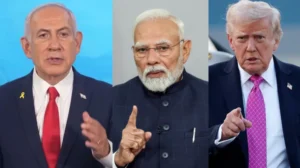
Historically, countries like the United States have played the role of global mediator. However, growing skepticism about Western neutrality has created space for alternative players.
India’s non-interventionist image and diplomatic flexibility make it a strong candidate for this role.
However, challenges remain:
- Limited military projection compared to superpowers
- Economic constraints
- Regional tensions, especially with China
Despite this, India’s influence is steadily expanding, not through dominance, but through diplomacy.
The Road Ahead
India’s rise as a global mediator will not happen overnight. It requires consistent diplomatic engagement, economic growth, and strategic clarity.
But the foundation is already being laid.
In a fragmented world, the ability to connect opposing sides is becoming more valuable than raw power.
India, quietly but steadily, is positioning itself to do exactly that.
Conclusion
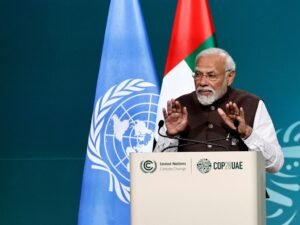
As conflicts reshape the global order, the need for credible mediators has never been greater.
India’s balanced approach, global relationships, and rising influence suggest that it may not just participate in global diplomacy, but redefine it.
The question is no longer whether India can play this role, but how soon the world will recognize it.
Follow us on instagram @thetejwas.
Also see-