
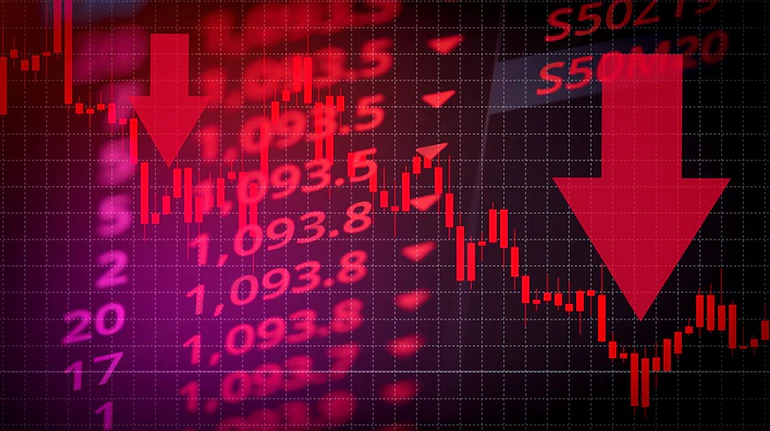
Why Global Markets React Faster Than Governments in a Crisis is one of the most visible patterns in today’s world. Whether it’s war, energy shocks, or geopolitical tension, markets often move within minutes — while governments take days or even weeks to respond.
This gap is not accidental. It reflects how both systems are designed.
Why Global Markets React Faster Than Governments in a Crisis — The Speed Difference
Financial markets are built for speed.
- Traders react instantly to news
- Algorithms process data in seconds
- investors adjust positions based on risk
The moment a crisis signal appears — oil supply risk, conflict escalation, or diplomatic breakdown — markets respond immediately.
Governments, on the other hand, operate through process:
- discussions
- approvals
- coordination
- political considerations
That naturally slows them down.
Markets Run on Expectation, Not Confirmation
One of the key reasons Why Global Markets React Faster Than Governments in a Crisis is because markets do not wait for certainty.
They move on expectations.
If there is even a possibility of disruption:
- oil prices rise
- stock markets fall
- safe assets gain value
Markets price in the risk of what could happen, not just what has already happened.
Governments, however, usually act on confirmed developments — not speculation.
Fear Travels Faster Than Policy
In global markets, emotion plays a powerful role.
Fear, uncertainty, and speculation can trigger rapid movement:
- investors pull money out
- currencies weaken
- volatility increases
This reaction spreads globally within hours.
Governments cannot match this speed because they must balance:
- economic stability
- political pressure
- international relations
This makes their response more measured, but slower.
Technology Has Accelerated Market Reactions
Modern technology has made markets even faster.
- real-time news updates
- automated trading systems
- global connectivity
A single headline can now move billions of dollars across markets instantly.
This digital speed advantage is something governments simply cannot replicate.
Governments Must Think Beyond the Immediate Moment
While markets focus on immediate reaction, governments must think long-term.
They need to consider:
- economic impact
- diplomatic consequences
- national security
- public response
This means their decisions are not just about reacting — but about managing outcomes.
That complexity slows things down, but also makes decisions more stable.
When Markets and Governments Clash

Sometimes, the gap between market reaction and government response creates tension.
- markets panic, governments try to calm
- investors move fast, policies lag behind
- expectations rise before actions are taken
This mismatch can increase uncertainty in the short term.
Why This Matters Globally
Why Global Markets React Faster Than Governments in a Crisis matters because it affects everyday life.
Market movements influence:
- fuel prices
- interest rates
- currency value
- cost of living
So even if governments are still deciding, people may already feel the impact.
The New Reality of Crisis Response
In today’s interconnected world:
- markets react instantly
- governments respond gradually
Both play different roles.
Markets signal risk.
Governments manage consequences.
Final Take
Why Global Markets React Faster Than Governments in a Crisis comes down to one simple truth: speed vs responsibility.
Markets are built to react quickly to uncertainty.
Governments are built to respond carefully to reality.
In a crisis, both are necessary — but they will never move at the same pace.
Follow us on instagram @thetejwas.
Also see-