
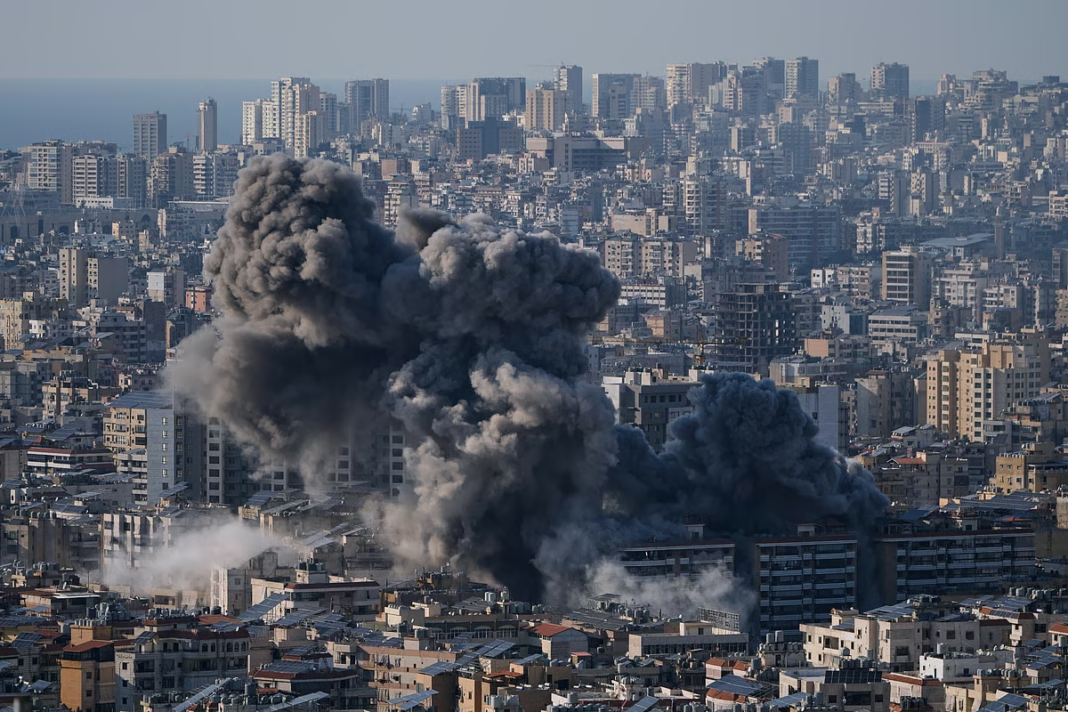
From Regional War to Global Shock is no longer just a dramatic headline. It is the clearest way to understand what the West Asia conflict has become in 2026. What began as a regional war is now shaking oil markets, shipping lanes, food systems, investor confidence, and supply chains across continents. Reuters has reported that the disruption to energy flows and trade routes is now severe enough that major businesses, governments, and investors are preparing for a longer global fallout.
How a Regional War Became a Global Economic Threat
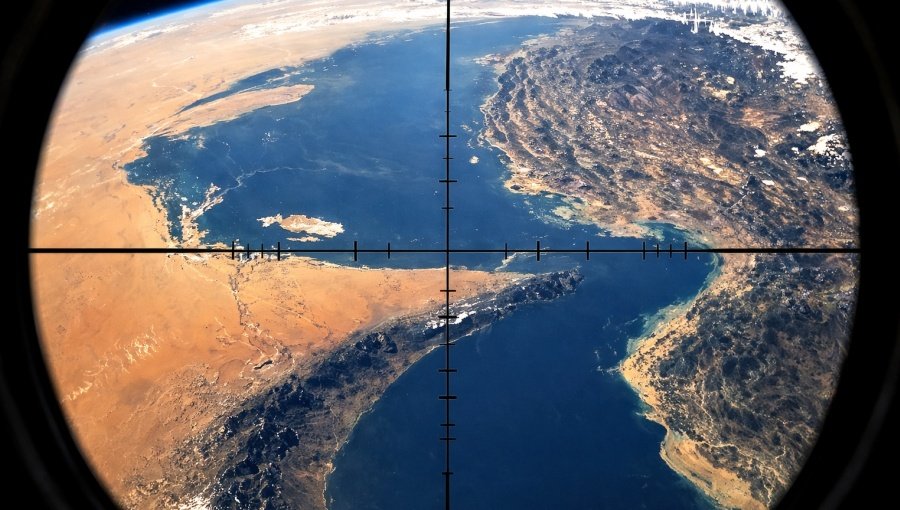
The biggest reason this conflict now matters to the entire world is energy. The Strait of Hormuz, one of the most important maritime chokepoints on Earth, normally carries around one-fifth of global oil and liquefied natural gas flows. Reuters reported that shipping through the route has been severely disrupted, with tanker owners, trading houses, and energy companies suspending or delaying movement because of the conflict. When such a vital route slows down, the impact does not stay in West Asia. It reaches fuel pumps, airline costs, factory inputs, and household inflation worldwide.
Oil, Shipping, and Supply Chains Are Feeling the Shock
Global markets have already started reacting. Reuters reported that Brent crude surged sharply during the escalation, and analysts warned that if the Strait disruption continues, prices could move much higher. At the same time, businesses around the world are facing uncertainty over shipping delays, freight costs, and access to key raw materials. Reuters also noted that the war is rattling companies far beyond the battlefield by squeezing critical supply routes for everything from energy to industrial goods.
This is what makes the conflict global. A country thousands of kilometers away may not be militarily involved, but it can still suffer through more expensive fuel, delayed imports, weaker currencies, and rising consumer prices. The battlefield may be regional, but the economic consequences are not.
Why Investors and Markets Are No Longer Treating It as a Temporary Crisis
One of the strongest signs of a global shock is how investors are reacting. Reuters reported massive foreign outflows from Asian stock markets in March 2026 as fears of an oil shock and stagflation intensified. Investors are moving money out of vulnerable markets and repositioning toward safety, energy exposure, and cash. That kind of behavior usually appears when markets believe a conflict is not just a short-term disturbance but a structural risk to growth and inflation.
This matters because modern wars now travel through financial systems almost instantly. Oil prices jump, inflation expectations rise, central banks come under pressure, and capital begins to move. In today’s globalized economy, fear itself becomes part of the crisis.
Food and Daily Life Are Also at Risk
The hidden danger is that energy shocks rarely stay limited to fuel. Reuters reported that disrupted fertiliser shipments and rising energy costs are threatening fresh food-price surges, especially in vulnerable developing nations. That means the war’s impact could show up not only in oil charts or stock market screens but also in food prices, transport bills, and everyday essentials.
This is why the phrase From Regional War to Global Shock fits so well. The modern world is interconnected enough that a conflict in one strategic region can quickly affect the cost and availability of food, freight, chemicals, manufactured goods, and energy in places far away from the fighting.
The Strategic Lesson the World Cannot Ignore

There is also a deeper geopolitical lesson here. Reuters reported that even major energy executives now warn that if disruption continues for three to four months, it could become a systemic risk to the global economy. That is not ordinary war language. That is the language of worldwide vulnerability.
For decades, countries spoke about diversification, resilience, and supply chain security. But this conflict is showing how fragile the system still is. Sea routes remain exposed. Energy transitions are incomplete. Food systems depend heavily on stable fuel and fertiliser flows. And global markets remain extremely sensitive to conflict in strategic chokepoints.
Final Take
From Regional War to Global Shock is not an exaggeration. It is the real story of the West Asia conflict in 2026. A war that began in one region is now affecting trade, shipping, inflation, markets, and food systems across the world. The conflict has become everyone’s problem because the world economy still runs through vulnerable chokepoints, energy corridors, and fragile supply chains. That is the uncomfortable truth this crisis has exposed.
Follow us on instagram @thetejwas.
Also see-