

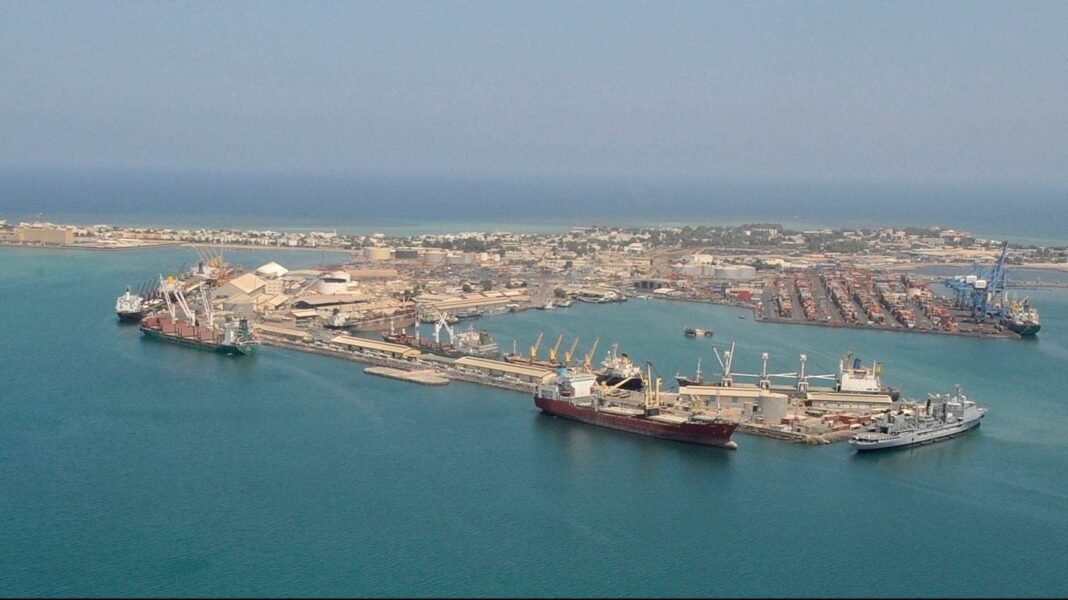
🌍 Introduction
The Horn of Africa has returned to the center of global geopolitical attention following a controversial port access agreement between Ethiopia and Somaliland. The deal, aimed at securing Ethiopia direct access to the Red Sea, has sparked regional tensions, diplomatic protests, and renewed international interest in one of the world’s most strategically sensitive regions.
⚓ Background: Ethiopia’s Strategic Challenge
Ethiopia, Africa’s second-most populous country, has been landlocked since Eritrea’s independence in the 1990s. Since then, it has relied heavily on neighboring ports for trade and maritime access, making sea connectivity a long-standing strategic priority for Addis Ababa.
The new agreement with Somaliland reflects Ethiopia’s attempt to reduce logistical vulnerability and enhance economic security.
🌍 Why Somaliland Matters
Somaliland declared independence from Somalia in 1991 and has operated with its own government, security forces, and institutions. However, it lacks international recognition, making any formal agreement involving sovereignty highly sensitive.
The port deal has therefore raised complex questions about:
-
Territorial integrity
-
International recognition
-
Regional diplomacy
🌊 Red Sea and Global Trade Significance
The Red Sea is one of the world’s most important maritime corridors, linking Europe, Asia, and Africa. Stability in the Horn of Africa directly affects:
-
Global shipping routes
-
Energy flows
-
Maritime security
-
International trade
Any shift in port access or control has consequences far beyond the region.
⚖️ Regional and Diplomatic Reactions

The agreement has triggered strong reactions from:
-
Somalia, which considers Somaliland part of its territory
-
Regional actors concerned about precedent-setting agreements
-
International stakeholders monitoring stability in the Red Sea region
Diplomatic efforts are ongoing to manage tensions and prevent escalation.
🌐 Broader Geopolitical Implications
The deal highlights:
-
Intensifying competition for maritime access
-
The strategic importance of ports in global geopolitics
-
How regional arrangements can attract international attention
It also reflects how infrastructure and connectivity have become central tools of geopolitical influence.
🔍 Looking Ahead
The Ethiopia–Somaliland port deal underscores the Horn of Africa’s growing geopolitical relevance. How regional actors and the international community respond will shape not only local stability but also broader Red Sea and African geopolitics.