
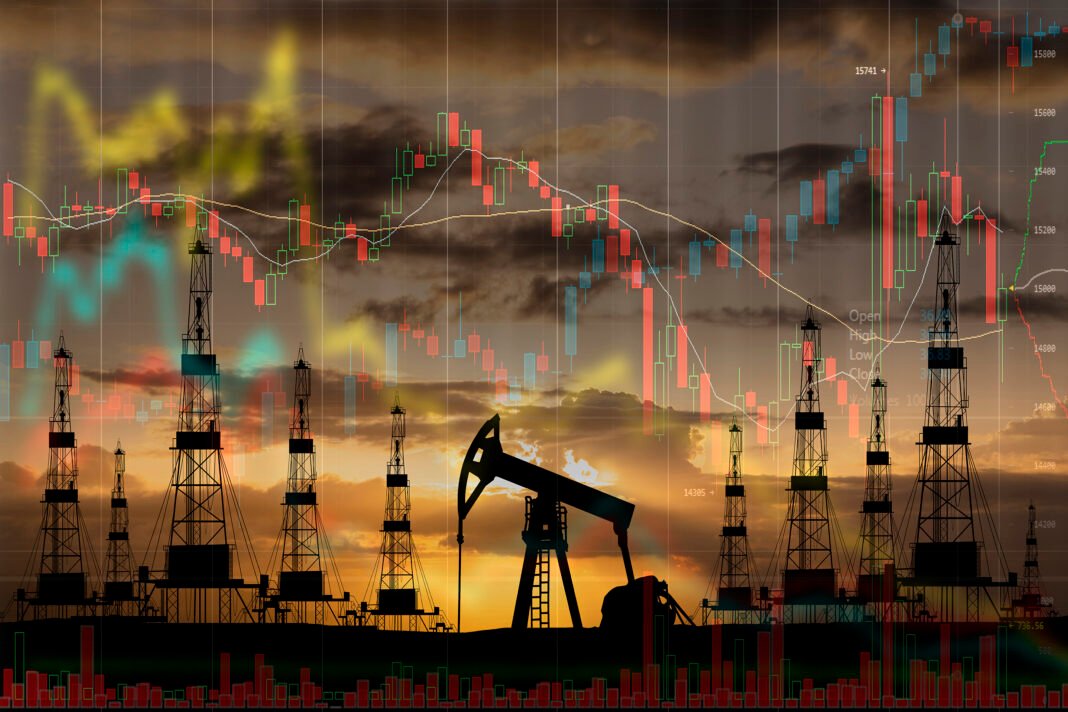
In today’s geopolitics, oil and gas are no longer just commodities—they are strategic weapons. Control over energy resources and supply routes has become a decisive factor in shaping alliances, triggering conflicts, and redefining power balances. From pipeline politics to energy sanctions, modern conflicts are increasingly driven by the struggle for energy security.
Energy Security: The New Strategic Priority
Energy fuels economies, militaries, and political stability. Nations that control production, transit routes, or pricing mechanisms wield immense geopolitical leverage. As global demand rises and energy transitions remain uneven, competition over oil and gas has intensified.
Energy insecurity can destabilize governments, fuel inflation, and weaken national security—making energy a central concern in foreign policy.
Pipelines, Chokepoints, and Power
Critical infrastructure such as pipelines and maritime chokepoints has become a focal point of geopolitical tension:
-
Strategic waterways influence global energy flows
-
Pipeline routes shape regional alliances
-
Infrastructure sabotage can cripple economies
Control or disruption of these routes can have immediate global consequences, turning infrastructure into a battlefield.
Energy Sanctions and Economic Warfare
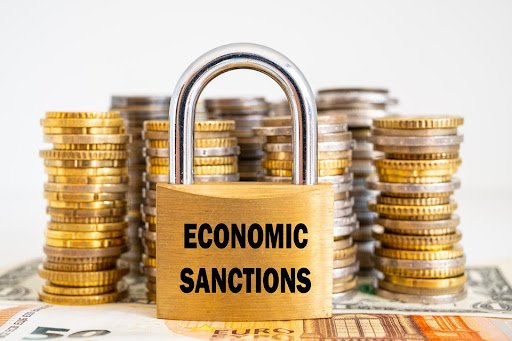
Energy sanctions have emerged as powerful tools of economic warfare. Restricting access to markets, technology, or financing aims to weaken rivals without direct military confrontation.
However, energy sanctions often backfire—raising global prices, forcing new partnerships, and accelerating alternative supply chains. Instead of isolating states, sanctions can reshape energy geopolitics in unpredictable ways.
Regional Conflicts Fueled by Energy Interests
Several modern conflicts are deeply intertwined with energy considerations:
-
Control over oil-rich regions
-
Competition over gas fields and transit routes
-
Security of energy-export infrastructure
Energy wealth can finance prolonged conflicts, while energy scarcity can ignite unrest.
The Energy Transition Paradox
The global push toward renewable energy has not reduced energy geopolitics—it has complicated it. While renewables promise long-term stability, the transition phase increases competition over:
-
Fossil fuel dominance
-
Critical minerals
-
Energy technology leadership
This paradox ensures energy remains a central driver of conflict during the transition era.
Who Holds the Real Power?
Energy power no longer belongs solely to producers. Transit states, technology leaders, and financial gatekeepers all influence outcomes. Countries that can diversify supply, secure infrastructure, and invest in future energy systems gain strategic resilience.
Conclusion: Energy as the Silent Battlefield
Oil and gas may not make headlines like missiles or troops, but they quietly shape every modern conflict. Energy has become the silent battlefield where economic pressure, strategic leverage, and geopolitical rivalry converge.
As long as the world depends on energy, it will remain a powerful weapon in global politics.