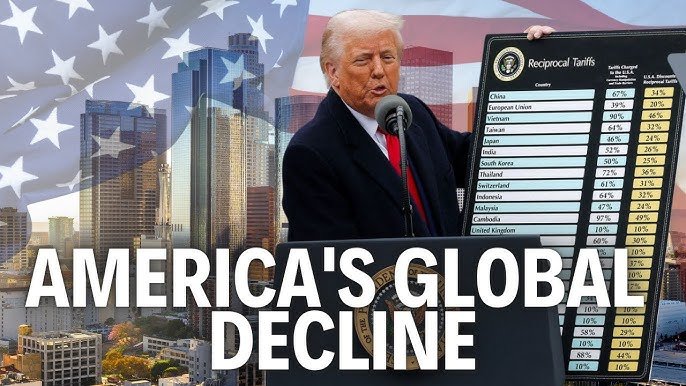

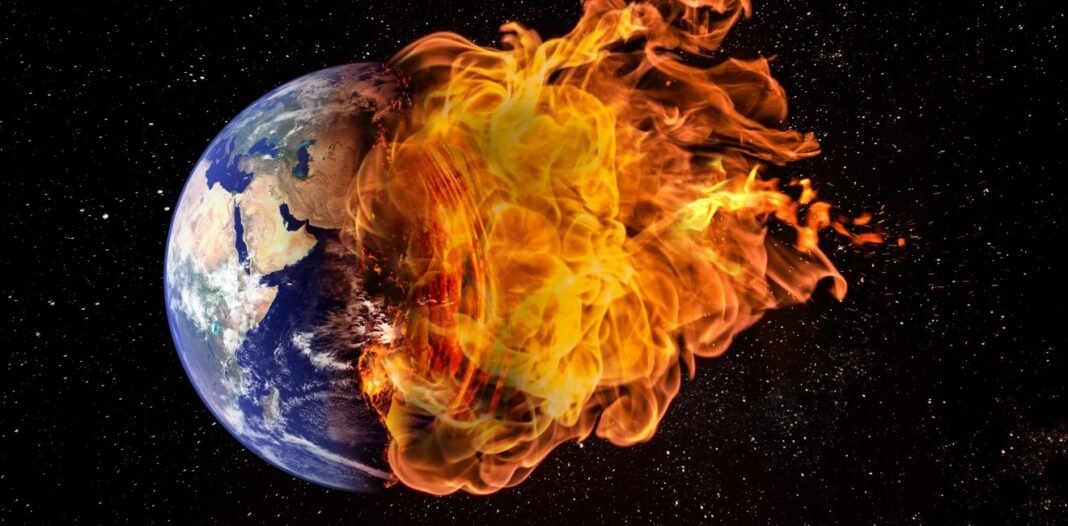
Climate change is no longer just an environmental issue—it has become a powerful geopolitical force. Rising temperatures, extreme weather, and resource scarcity are influencing diplomacy, conflicts, migration, and global power balances. In the 21st century, climate has emerged as both a crisis and a strategic weapon.
🌡️ Climate Crisis Meets Power Politics
Nations are increasingly using climate policies to advance strategic interests. Control over green technologies, climate finance, and critical minerals is becoming as important as military strength.
Countries that lead the clean energy transition gain economic leverage, while those dependent on fossil fuels face growing diplomatic and financial pressure.
🌊 Climate-Driven Conflicts on the Rise
Climate change acts as a “threat multiplier”:
-
Water scarcity fuels tensions in South Asia, the Middle East, and Africa
-
Drought and crop failure intensify civil unrest and migration
-
Melting glaciers threaten rivers that cross national borders
These pressures increase the risk of instability, especially in already fragile regions.
❄️ The Arctic: A New Climate Battleground
Global warming is opening Arctic sea routes and unlocking vast reserves of oil, gas, and minerals. This has triggered competition among:
-
Russia, expanding Arctic military bases
-
China, declaring itself a “near-Arctic state”
-
NATO countries, increasing strategic presence
What was once frozen isolation is now a zone of strategic rivalry.
🔋 Green Energy and the New Power Shift
The transition to renewables is creating new winners and losers:
-
Countries rich in lithium, cobalt, and rare earths gain strategic importance
-
China’s dominance in green supply chains raises dependency concerns
-
Energy-importing nations seek climate resilience for security
Energy independence is now climate independence.
🇮🇳 India’s Climate Geopolitics
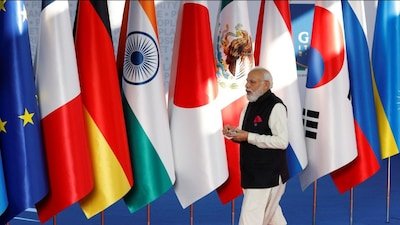
India faces dual challenges: development needs and climate vulnerability. New Delhi has positioned itself as a climate bridge:
-
Advocating climate justice for developing nations
-
Expanding solar leadership through the International Solar Alliance
-
Balancing growth with climate commitments
India’s stance highlights the Global South’s demand for fairness in climate diplomacy.
🌍 Climate Migration & Global Stability
Rising sea levels and extreme heat are forcing millions to move. Climate migration strains borders, fuels nationalism, and reshapes demographics—making it a key geopolitical concern for the coming decades.
🔮 What Lies Ahead
As climate impacts intensify, geopolitics will increasingly revolve around resilience, adaptation, and control of resources. Climate leadership will define future power hierarchies.
In the coming years, the fight for global influence may be fought as much over carbon, water, and climate finance as over territory and weapons.