
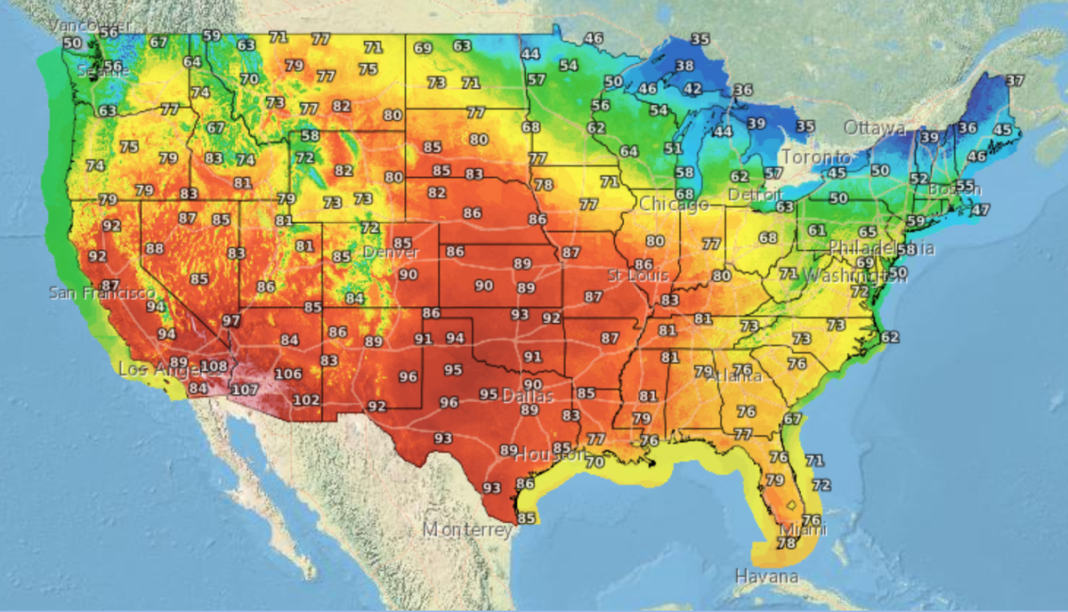
The United States is facing a March heatwave severe enough to break records, disrupt daily life, and trigger a much bigger global conversation about climate change. In several parts of the country, temperatures have surged far above what is normal for this time of year, turning an early-spring weather event into a major climate alarm. What makes this story important is not just the heat itself, but what scientists are saying about it. According to reporting from the Associated Press, researchers say this level of March heat would have been virtually impossible without human-caused climate change.
For TEJWAS readers, this is more than a U.S. weather story. It is a geopolitical and climate warning. When extreme heat starts arriving earlier, stronger, and in places unprepared for it, the issue moves beyond forecasts and becomes a sign of a rapidly shifting world.
Why This March Heatwave Is So Unusual
March is supposed to be a transition month in much of the United States, not a period of intense summer-like temperatures. That is why the current heatwave has drawn so much attention. AP reported that some locations in the U.S. West reached levels comparable to July, with records falling in multiple cities as the heat spread across large areas.
This is significant because seasonal expectations matter. Cities, utilities, agriculture systems, and even public health planning are built around typical climate patterns. When those patterns begin to break down, the consequences multiply. Early-season extreme heat can catch governments and communities off guard in ways that midsummer heat may not.
What Scientists Are Warning About
The most important part of this story is the climate attribution. AP reported that scientists from World Weather Attribution found the heat event was made at least five times more likely because of human-caused climate change, and that in some cases the temperatures would have been nearly impossible in a pre-industrial climate.
That matters because it moves the discussion beyond general climate concern into direct evidence. This is not only about rising average temperatures over decades. It is about the increased probability of specific extreme events happening right now. In practical terms, climate change is no longer just a long-term trend. It is reshaping the odds of dangerous weather in the present.
Why Extreme Heat Is a Bigger Threat Than Many People Think
Heat does not always get the same dramatic attention as hurricanes, floods, or wildfires, but it is one of the deadliest forms of extreme weather. It strains power systems, increases health risks, damages crops, worsens drought conditions, and places major pressure on water supplies. When heatwaves arrive unusually early, they can be even more dangerous because people are less prepared physically and institutionally.
The AP report noted that the event raised concerns not only because of temperature records but because of the larger signal it sends about future climate conditions in the United States and beyond.
For countries watching from outside the U.S., the message is equally serious. If even highly developed systems are struggling with early-season heat extremes, then the challenge for more climate-vulnerable regions becomes even greater.
Why This Matters Geopolitically
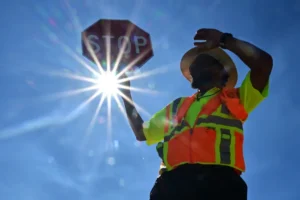
Climate events are no longer just environmental issues. They are increasingly national security, economic, and geopolitical issues. Extreme heat affects labour productivity, agriculture, energy demand, migration pressure, infrastructure reliability, and public health. When these events grow more frequent, they begin shaping political priorities and strategic planning.
A record-breaking March heatwave in the United States also has symbolic importance. It shows that climate disruption is not confined to one region or one season. It is destabilising expectations everywhere. That matters because global climate action often moves only when major powers feel the impact strongly enough at home.
For TEJWAS, this is where the story becomes larger than weather. It is about how climate change is rewriting the map of risk for powerful countries that once believed they had more time.
Conclusion
America’s March heatwave is not just an unusual weather event. It is a warning signal backed by science, record temperatures, and growing evidence that climate change is intensifying extreme heat far faster than many expected. The bigger issue is not whether more such events will come. It is whether governments, cities, and societies are adapting quickly enough to a world where climate shocks are arriving earlier and hitting harder.
For TEJWAS readers, the takeaway is clear: this is not just about hot days in America. It is about a global future where climate instability becomes one of the defining forces of power, security, and survival.
Follow us on instagram @thetejwas.
Also see-