
Strategic Context
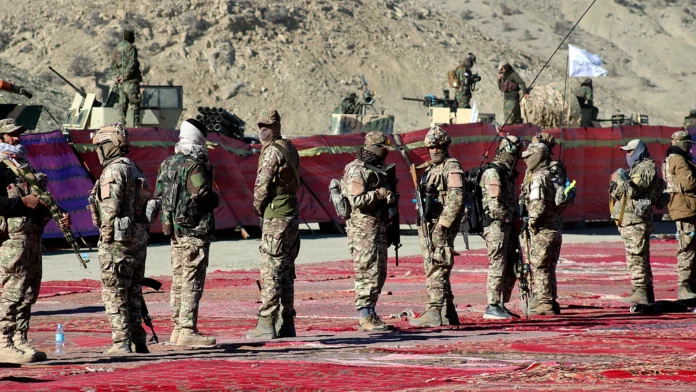
Tensions along the Afghanistan–Pakistan border have once again flared after reports that Afghanistan strikes Pakistan in retaliatory action. The volatile frontier, particularly around the disputed Durand Line, has remained unstable since the return of the Taliban to power in 2021.
Islamabad has repeatedly accused Kabul of allowing the Tehrik-i-Taliban Pakistan (TTP) to operate from Afghan territory. Kabul, in turn, rejects the accusations and claims Pakistan is violating Afghan sovereignty through airstrikes and cross-border artillery fire.
What Happened?
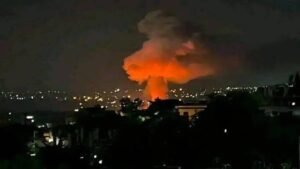
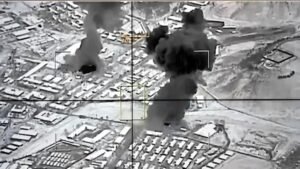
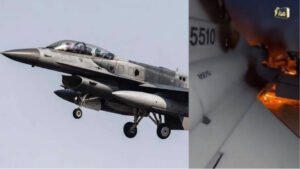
Afghan forces reportedly launched cross-border strikes targeting Pakistani military positions following alleged Pakistani air operations inside Afghan territory. Skirmishes were reported near key border districts, with both sides claiming defensive action.
Pakistan’s military establishment argues that militant attacks inside Khyber Pakhtunkhwa and Balochistan have intensified, allegedly backed by TTP elements sheltering across the border. Afghanistan’s Taliban government denies hosting militants and frames the strikes as necessary retaliation against Pakistani aggression.The incident marks one of the rare moments where Kabul has openly demonstrated military pushback against Islamabad since 2021.
Why It Matters
The phrase Afghanistan strikes Pakistan signals a dangerous shift — from proxy accusations to direct state-on-state confrontation.
-
Durand Line Dispute: The Taliban has historically refused to formally recognize the Durand Line as an international border, deepening mistrust.
-
TTP Factor: The resurgence of TTP attacks within Pakistan is placing enormous pressure on Islamabad’s security establishment.
-
Internal Pressures: Both governments face domestic legitimacy challenges and may be leveraging border nationalism to consolidate internal support.
Escalation risks turning a fragile border into an active conflict zone.
Who Benefits?
Ironically, militant groups thrive in chaos. A prolonged Afghanistan–Pakistan border crisis weakens state control and strengthens non-state actors.
Regional powers such as India, China, and Iran will watch closely.
-
India observes Pakistan’s western instability as a strategic distraction.
-
China worries about spillover risks affecting CPEC projects.
Iran remains concerned about cross-border militancy affecting its eastern frontier.
Risks and Long-Term Implications
If Afghanistan strikes Pakistan in repeated cycles of retaliation, three long-term risks emerge:
-
Militarization of the Border: Increased troop deployments and fortifications.
-
Collapse of Diplomatic Channels: Weak institutional ties between Kabul and Islamabad.
-
Regional Fragmentation: South Asia’s western flank becoming a persistent instability zone.
Pakistan’s historical strategic depth doctrine appears increasingly strained under Taliban rule. Meanwhile, Afghanistan seeks to assert sovereignty without international recognition or economic stability.The situation remains fluid — but the trajectory is concerning.South Asia’s western frontier is entering a volatile phase. Whether this episode remains a limited skirmish or evolves into sustained confrontation will shape regional stability in 2026 and beyond.
Follow our page @tejwas_ for daily updates.
Mre from world;