
Strategic Context: A Volatile Western Frontier

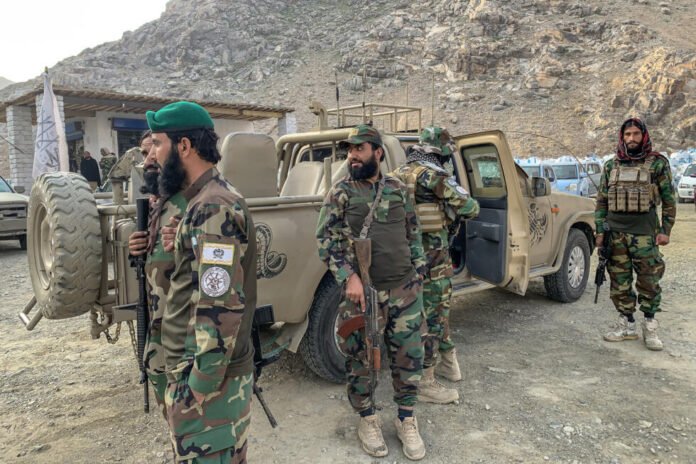
The latest Afghanistan bombing underscores the fragile security environment under the rule of the Taliban in Afghanistan. Since the withdrawal of U.S. forces in 2021, the power vacuum has reshaped regional calculations—especially for Pakistan and India.
What makes the situation more complex today is the gradual, cautious engagement between India and the Taliban administration—something that was almost unthinkable two decades ago.
What Happened?
Recent bombings in Afghanistan, often attributed to the Islamic State Khorasan Province (ISKP), signal that the Taliban’s grip on internal security remains incomplete. These attacks are not merely domestic security incidents—they are geopolitical signals.
The violence places pressure on Pakistan, which historically maintained deep ties with the Afghan Taliban. However, Islamabad now faces a blowback challenge from the Tehrik-i-Taliban Pakistan (TTP), which operates from Afghan soil and targets Pakistani security forces.
Pakistan’s Strategic Dilemma
For decades, Pakistan viewed the Taliban as a strategic asset ensuring “strategic depth” against India. But the equation has shifted.
- TTP Threat: The Taliban’s reluctance to act decisively against anti-Pakistan militants strains ties.
- India’s Re-entry: India has reopened diplomatic channels and humanitarian operations in Kabul, cautiously rebuilding influence.
- Loss of Leverage: Islamabad no longer enjoys exclusive influence over Kabul’s decision-making.
Pakistan now walks a tightrope—balancing pressure on the Taliban while avoiding full rupture.
India–Taliban Engagement: Quiet but Strategic
India’s approach is pragmatic. New Delhi is not formally recognizing the Taliban regime but is maintaining working-level contact to protect long-term interests:
- Safeguarding infrastructure investments
- Monitoring anti-India terror groups
- Preventing Afghanistan from becoming a proxy battleground again
For the Taliban, diversifying diplomatic engagement reduces overdependence on Pakistan and opens economic avenues.
Who Benefits — And Who Risks Losing?
- Taliban: Gains bargaining leverage between regional powers.
- India: Regains strategic space in continental geopolitics.
- Pakistan: Risks erosion of traditional influence.
Meanwhile, external actors like China and Iran are also recalibrating their Afghan policies, further complicating the chessboard.
Long-Term Implications
The Afghanistan bombing is not an isolated event—it reflects a deeper structural instability. Pakistan’s long-standing Afghan strategy is under strain, while India’s calibrated engagement marks a subtle but significant geopolitical shift.
If the Taliban fails to contain transnational terror networks, Afghanistan could once again become a theatre of proxy competition. But if managed cautiously, regional powers may gradually converge on a stability-first framework.
South Asia’s western frontier is entering a new strategic phase—uncertain, competitive, and deeply consequential for India’s security calculus.
Follow our page @tejwas_ for daily updates.
More from world;