
Strategic Context
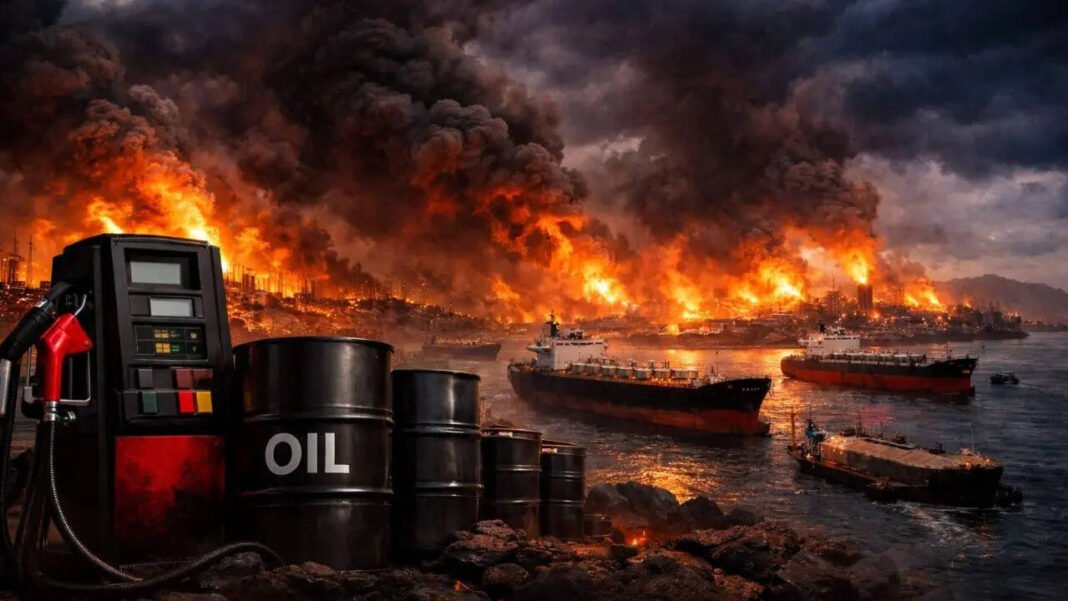
The escalating conflict involving Iran has triggered one of the most significant shocks to global energy markets in recent years. Military strikes, retaliatory attacks, and rising tensions across the Gulf region have disrupted oil supply routes and pushed crude prices sharply upward.
The Persian Gulf remains one of the most critical energy corridors in the world, with the Strait of Hormuz carrying a large share of global oil shipments. As tensions intensified, shipping disruptions and security risks began to threaten the steady flow of oil to global markets.
To counter the resulting surge in energy prices, the United States has announced a major release from its Strategic Petroleum Reserve (SPR). The aim is clear: reduce rising oil prices caused by the Iran conflict and stabilize global energy markets.
What Happened
The US government plans to release 172 million barrels of crude oil from its Strategic Petroleum Reserve over the coming months. The release is part of a broader international effort coordinated with the International Energy Agency (IEA), which collectively plans to unlock hundreds of millions of barrels from emergency stockpiles.
The measure follows sharp increases in oil prices after military operations against Iran and subsequent retaliatory strikes disrupted regional stability. The conflict has raised fears of supply shortages, particularly as threats to shipping routes and tanker traffic increased across the Gulf.
The reserve release will begin soon and may take around 120 days to fully deliver to the market, gradually increasing supply in an attempt to calm oil prices.
Why Oil Prices Are Rising
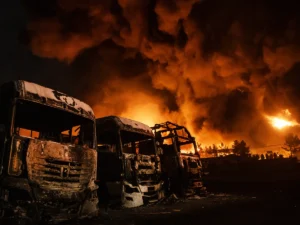
Several factors linked to the Iran conflict have driven oil prices higher:
1. Supply disruptions in the Gulf
Military activity and security threats have disrupted shipping routes across the region.
2. Risk to the Strait of Hormuz
This strategic waterway handles a significant portion of global oil trade. Any threat to its operations immediately affects global prices.
3. Market panic and speculation
Energy traders often react quickly to geopolitical crises, pushing prices higher even before actual shortages occur.
These dynamics combined have created a powerful upward pressure on oil prices, forcing governments to intervene.
Why the US Is Releasing Oil Reserves
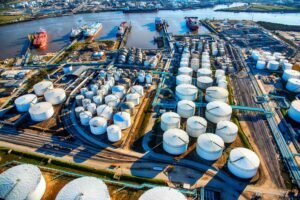
The Strategic Petroleum Reserve acts as an emergency buffer during global energy crises. By releasing oil into the market, Washington hopes to increase supply and prevent extreme price spikes.
This move serves several objectives:
-
Stabilizing global oil markets
-
Reducing fuel prices for consumers
-
Preventing inflation from energy shocks
-
Maintaining economic stability during geopolitical conflict
Strategic reserves allow governments to respond quickly to supply shocks without waiting for new production.
Who Benefits
The oil reserve release could benefit multiple stakeholders.
Consumers may see relief at fuel stations if crude prices fall.
Energy-importing countries could benefit from greater supply availability in global markets.
Global financial markets may also stabilize if oil price volatility decreases.
However, the effectiveness of the move will largely depend on how long the Iran conflict continues.
Risks and Strategic Trade-offs
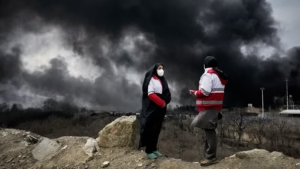
Despite its benefits, releasing strategic reserves carries long-term risks.
First, large withdrawals reduce the emergency buffer available for future crises. Strategic reserves are meant for extreme disruptions, and heavy usage can weaken energy security if another crisis emerges.
Second, reserve releases usually provide temporary relief rather than permanent solutions. If geopolitical tensions persist or escalate, oil prices could rise again after the additional supply is absorbed.
Long-Term Implications
The Iran conflict has once again highlighted the vulnerability of global energy systems to geopolitical shocks. Oil markets remain deeply tied to political stability in the Middle East, and disruptions in key shipping routes can rapidly trigger global economic consequences.
For policymakers, the challenge is balancing short-term market stability with long-term energy security. Strategic reserves offer an important tool during crises, but sustainable solutions will require diversified energy sources, stronger supply chains, and greater global coordination.As the Iran conflict continues to reshape regional dynamics, energy markets are likely to remain volatile—making strategic oil reserves one of the key levers governments will use to manage the fallout.
Follow our page @tejwas_ for daily updates.
More from world;