
US Strategic Petroleum Reserve Release: A Massive Intervention in the Oil Market
The United States has announced it will release 172 million barrels of crude oil from its Strategic Petroleum Reserve (SPR) in an attempt to stabilize soaring global oil prices triggered by escalating tensions in the Middle East. The decision comes as the ongoing conflict involving the United States, Israel, and Iran disrupts global energy supply chains and threatens a wider economic shock.
The move represents one of the largest emergency releases from the SPR and reflects Washington’s effort to prevent a surge in fuel prices that could destabilize global markets.
What Happened

U.S. Energy Secretary Chris Wright confirmed that 172 million barrels of oil will be released from the Strategic Petroleum Reserve over roughly 120 days, beginning in the coming weeks.
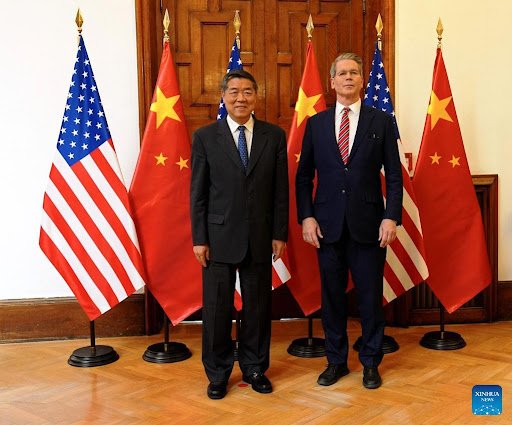
The decision is part of a coordinated international effort led by the International Energy Agency (IEA), in which 32 member nations agreed to collectively release around 400 million barrels of emergency oil reserves to counter supply disruptions.
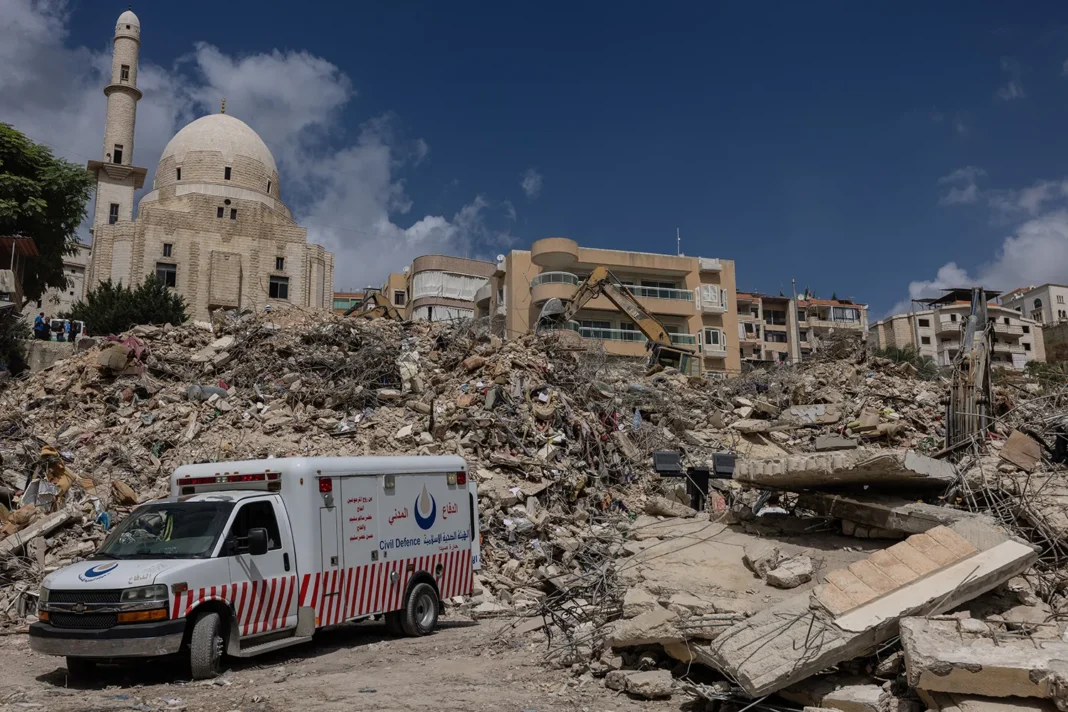
The trigger for this extraordinary intervention is the escalating Middle East conflict, which has severely disrupted energy flows and sent global crude prices sharply higher.
The crisis stems from the intensifying confrontation between Iran and the United States–Israel alliance. Military strikes, tanker attacks, and threats to shipping routes have severely disrupted energy logistics in the Persian Gulf.
One of the most significant developments has been the disruption of traffic through the Strait of Hormuz, a maritime chokepoint through which around 20% of the world’s oil normally passes.
As shipping activity collapsed and tanker traffic slowed dramatically, markets began pricing in a severe supply shock. Brent crude prices surged past $100 per barrel, sparking fears of a global inflation spike and energy shortages.
What Is the Strategic Petroleum Reserve?
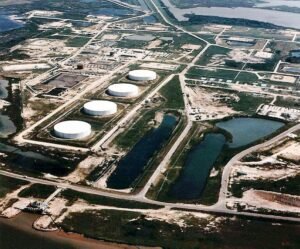
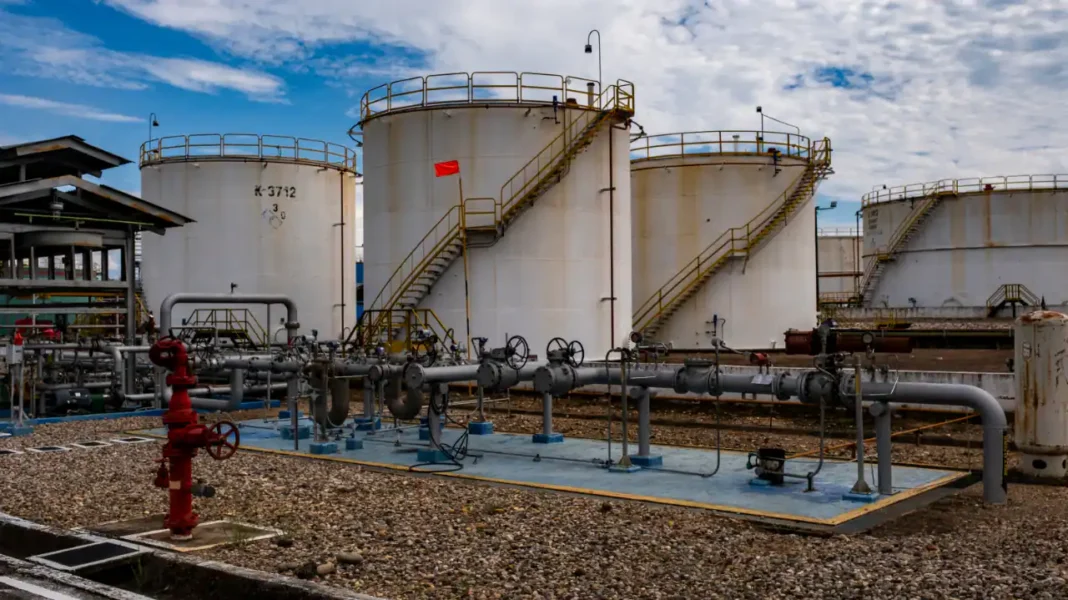
The Strategic Petroleum Reserve (SPR) is the United States’ emergency stockpile of crude oil, created after the 1973 oil embargo to protect the economy during supply disruptions.
Stored in massive underground salt caverns in Texas and Louisiana, the SPR is the largest government-controlled oil reserve in the world, with a capacity of about 714 million barrels.
Its purpose is simple:
-
stabilize markets during supply shocks
-
protect domestic energy security
-
provide emergency supply to allies
The current reserve level, however, has already fallen significantly in recent years due to previous releases and emergency sales.
Why This Release Matters
The planned release is enormous in scale. 172 million barrels represent roughly 40% of the current U.S. emergency stockpile, which has already dropped to one of its lowest levels in decades.
Strategically, the release aims to achieve three key objectives:
1. Stabilize global oil prices
Injecting additional supply into the market can reduce panic buying and speculative price spikes.
2. Prevent economic shock
High oil prices quickly translate into inflation, affecting transportation, manufacturing, and household costs.
3. Signal market confidence
A coordinated IEA response signals that major economies are prepared to intervene if the energy crisis worsens.
However, analysts warn that emergency reserves can only provide temporary relief, not a long-term supply solution.
Risks and Long-Term Implications
While the release may calm markets in the short term, it also raises strategic concerns.
First, drawing down such a large portion of the reserve leaves the United States with less buffer against future crises. Replenishing the stockpile could take years and billions of dollars.
Second, if the conflict in the Persian Gulf escalates further or shipping through Hormuz remains disrupted, the market could face prolonged supply shortages that no emergency reserve can fully offset.
Third, the move highlights a deeper structural reality: despite record production levels, global oil markets remain highly vulnerable to geopolitical shocks.
The Strategic Takeaway
The U.S. decision to release 172 million barrels from the Strategic Petroleum Reserve is not just an economic move—it is a geopolitical signal. Washington is attempting to stabilize global energy markets while preventing the Iran conflict from triggering a full-scale energy crisis.
Whether this intervention succeeds will depend largely on how the Middle East conflict evolves and whether global energy flows can return to normal.
For now, the world’s largest emergency oil reserve has once again become a critical tool of geopolitical strategy.
Follow our page @tejwas_ for daily updates.
More from world;