
Strategic Context
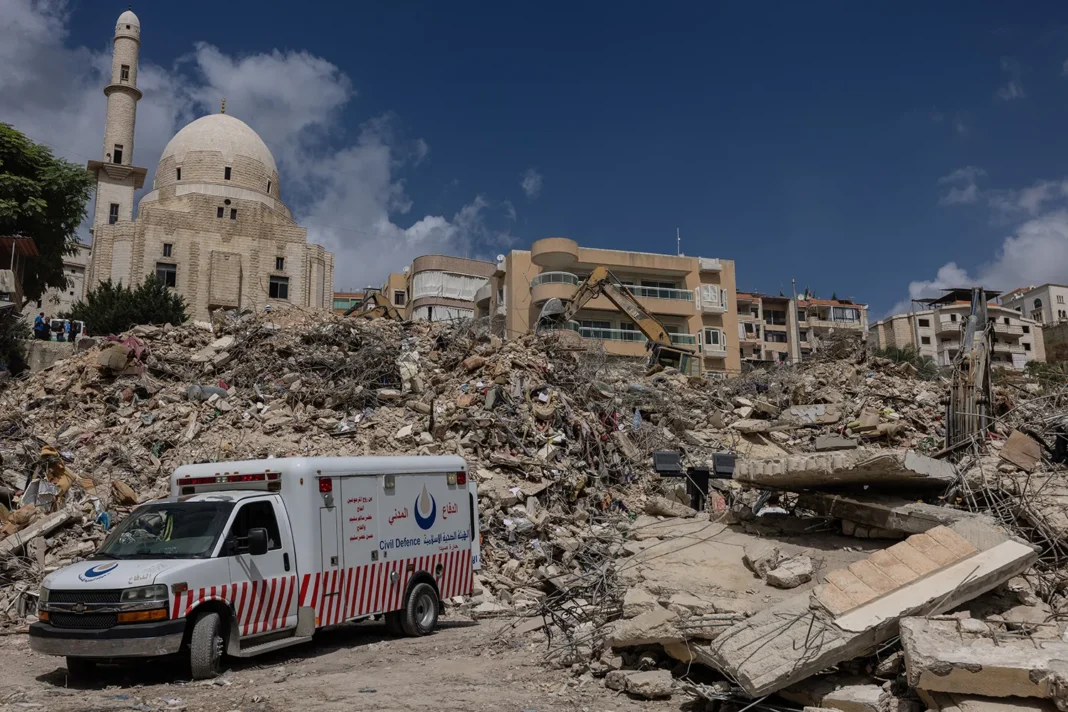
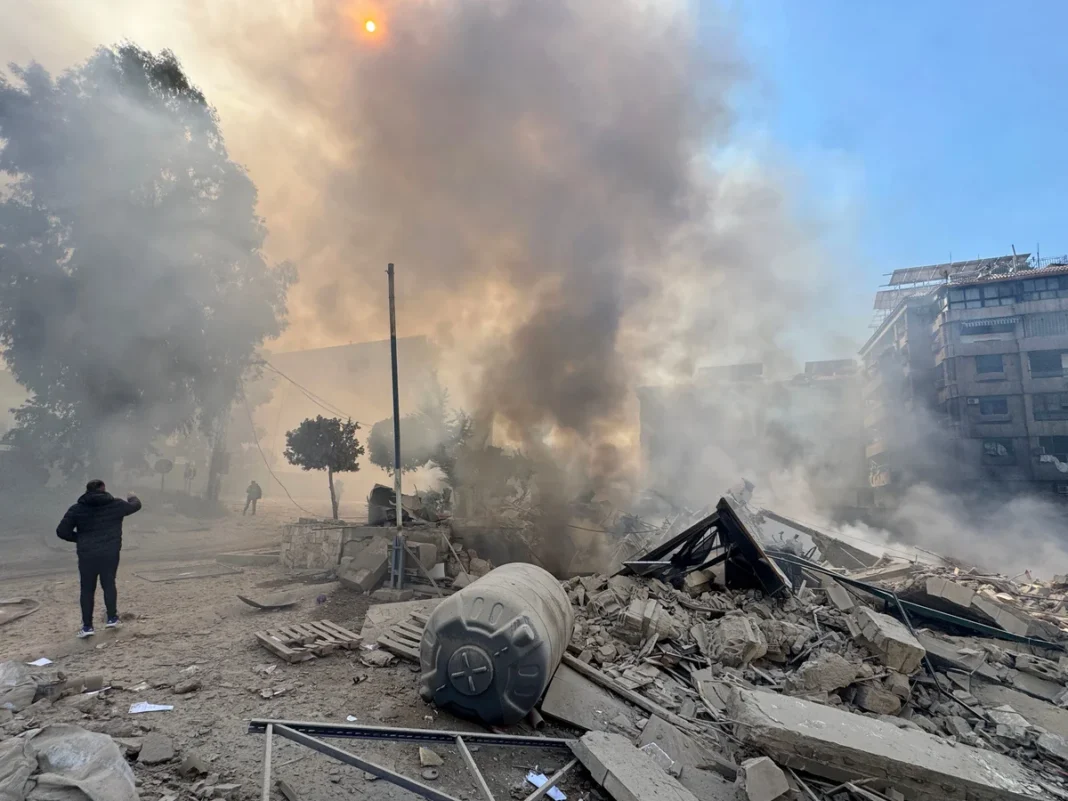
The Middle East is witnessing one of its most intense military escalations in decades. The United States and Israel have reportedly carried out thousands of strikes on Iranian targets, marking a dramatic expansion of the ongoing regional conflict. These strikes are believed to target a wide range of strategic assets including military bases, missile facilities, command centers, and logistics hubs linked to Iran’s Islamic Revolutionary Guard Corps (IRGC).
The scale and frequency of the operations suggest a coordinated military campaign aimed at significantly degrading Iran’s operational capabilities. Analysts warn that such a sustained campaign could reshape the regional balance of power and trigger broader geopolitical consequences.
What Happened
According to multiple reports, U.S. and Israeli forces launched waves of air and missile strikes across several Iranian military installations over recent days. Targets reportedly included:
-
IRGC command facilities
-
Ballistic missile launch sites
-
Drone manufacturing and storage centers
-
Military logistics infrastructure
-
Strategic air defense positions
The operations appear to be part of a joint military strategy designed to weaken Iran’s capacity to conduct missile and drone attacks across the region.
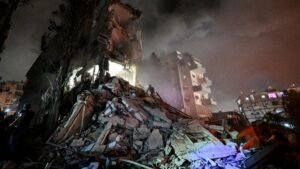
Precision-guided munitions, long-range missiles, and advanced intelligence support were reportedly used in the strikes. Satellite imagery and battlefield footage circulating online show significant damage to several key Iranian military installations.
The strikes follow weeks of escalating tensions after Iran launched missiles and drones targeting U.S. and allied assets in the Gulf region.
Why It Matters
This campaign represents more than a tactical military response—it signals a shift toward sustained high-intensity warfare between major regional actors.
Three key implications stand out:
1. Strategic Degradation of Iran’s Military Network
By targeting missile bases, drone facilities, and command centers, the strikes aim to cripple Iran’s ability to project power through both conventional forces and proxy networks.
2. Risk to Global Energy Markets
Iran sits near the Strait of Hormuz, a chokepoint through which roughly one-fifth of global oil shipments pass. Any escalation involving Iranian retaliation could disrupt energy supplies and push oil prices sharply higher.
3. Expansion of the Conflict Theater
The strikes could trigger responses not only from Iran but also from allied groups across the region, potentially expanding the conflict into Lebanon, Iraq, Syria, and the Gulf.
Who Benefits
From a strategic perspective, the immediate beneficiaries appear to be the United States and Israel, which are attempting to:
-
Reduce Iran’s missile and drone threat
-
Limit Tehran’s influence across the Middle East
-
Reassert military deterrence in the region
For Israel in particular, degrading Iran’s long-range strike capability is viewed as a critical national security objective, especially given Tehran’s support for multiple anti-Israel groups.
However, the long-term outcome remains uncertain, as Iran may still retain significant asymmetric capabilities.
Risks and Escalation Scenarios
Despite tactical successes, the strikes carry major risks.
Iran could retaliate through several avenues:
-
Direct missile strikes on U.S. bases in the Gulf
-
Attacks on oil infrastructure or shipping lanes
-
Cyber warfare against Western infrastructure
-
Mobilizing regional proxy forces
Such actions could trigger a wider regional war, drawing in multiple Middle Eastern states and disrupting global trade routes.
Another major concern is the potential militarization of key maritime corridors like the Strait of Hormuz and the Red Sea, both critical for global commerce.
Long-Term Strategic Implications
If the current pace of operations continues, the conflict could evolve into a prolonged regional confrontation rather than a short military campaign.
For global powers, the situation presents difficult strategic choices. The United States must balance its military objectives with the risk of being drawn into a broader war, while regional actors closely monitor the shifting power dynamics.
For countries like India, the conflict also carries economic implications, particularly regarding energy security, shipping routes, and diaspora safety in the Gulf region.
The coming weeks will likely determine whether the strikes succeed in restoring deterrenceor push the Middle East toward a far more dangerous phase of conflict.
Follow our page @tejwas_ for daily updates.
More from world;