
US Destroys Iranian Mine-Laying Vessels Near Strait of Hormuz
Strategic Context
The Strait of Hormuz has once again become the focal point of global geopolitical tension. This narrow maritime corridor connecting the Persian Gulf to the Gulf of Oman carries roughly 20% of the world’s oil supply, making it the most critical energy chokepoint in the global economy.
As tensions between the United States, Israel, and Iran intensify, maritime security in the Gulf has become a major concern for energy markets, global shipping companies, and regional states. In the latest escalation, the United States military has conducted targeted strikes against Iranian naval assets suspected of preparing to mine the strait.
What Happened
The United States Central Command (CENTCOM) confirmed that US forces destroyed multiple Iranian naval vessels, including 16 boats capable of laying naval mines, near the Strait of Hormuz on March 10.
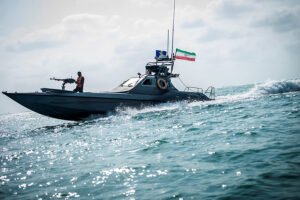
According to the US military, the vessels were small craft designed to deploy naval mines in narrow waterways. Such boats can typically carry two to three sea mines per mission, allowing Iran to rapidly disrupt shipping lanes if deployed in coordinated operations.
The strikes came amid intelligence assessments that Iran had begun preparations to place mines in the strait, a move that could severely disrupt global oil shipments. US officials described the operation as a preventive action aimed at protecting freedom of navigation and international shipping.\Video footage released by CENTCOM showed precision strikes targeting the vessels, which were reportedly operating near the entrance of the strategic waterway.
Why It Matters
Even a limited mine deployment in the Strait of Hormuz can have massive global consequences. Naval mines are among the most disruptive yet inexpensive maritime weapons. The mere possibility of mines in shipping lanes can force tankers and insurers to halt operations.
Key stakes include:
-
Global energy supply: Around 20 million barrels of oil per day transit through the strait.
-
Energy prices: Disruptions in the strait historically trigger spikes in global oil markets.
-
Shipping risk: Insurance premiums and operational costs for tankers can surge overnight.
Because of these risks, the US Navy has maintained a persistent presence in the region for decades to ensure the waterway remains open.
Iran’s Strategy: Asymmetric Maritime Warfare
Iran’s naval doctrine relies heavily on asymmetric tactics, particularly in the confined waters of the Persian Gulf. Rather than competing directly with major naval powers, Iran uses strategies designed to complicate operations for larger fleets.
These tactics include:
-
Mine-laying operations
-
Swarms of small fast attack boats
-
Anti-ship missiles positioned along the coast
-
Drone and unmanned surface vessel attacks
Mining the Strait of Hormuz has long been considered one of Iran’s most potent deterrent tools, capable of disrupting global energy markets without requiring conventional naval superiority.
Analysts estimate Iran could possess between 2,000 and 6,000 naval mines, although the exact number remains uncertain.
Who Benefits
For Washington and its regional allies, the destruction of mine-laying vessels serves several objectives:
-
Protecting global trade routes and preventing a de facto blockade of the Gulf.
-
Demonstrating military deterrence against Iranian maritime operations.
-
Reassuring oil markets that the strait will remain navigable.
However, the operation also carries escalation risks, particularly as the broader US-Israel confrontation with Iran intensifies across the Middle East.
Risks and Escalation Potential
Despite the strikes, US officials acknowledge that Iran retains the majority of its small naval craft and mine-laying capability.This means Tehran could still attempt further mining operations or use alternative tactics such as drone boats or missile attacks against shipping.
Key risks include:
-
Expanded naval clashes in the Persian Gulf
-
Attacks on commercial tankers
-
Sharp volatility in global oil prices
-
Potential closure or partial blockade of the Strait of Hormuz
Even limited disruptions could ripple through global energy markets and international trade.
Long-Term Strategic Implications
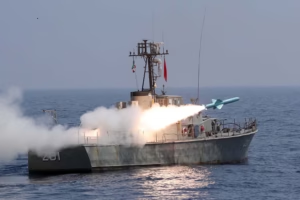
The incident highlights a broader geopolitical reality: the Strait of Hormuz remains the world’s most vulnerable energy chokepoint.
For major powers like the United States, keeping the waterway open is a core strategic priority. For Iran, the ability to threaten the strait provides significant leverage during periods of conflict.
As the confrontation between Washington, Israel, and Tehran deepens, maritime security in the Gulf may become one of the defining battlegrounds shaping global energy stability in the coming months.
Follow our page @tejwas_ for daily updates on this unfolding story.
More from world;