What Happened

Iran’s Khatam al-Anbiya Joint Command, the country’s central wartime operational headquarters, issued a statement declaring that banks and economic assets linked to the US and Israel will now be targeted across the region.
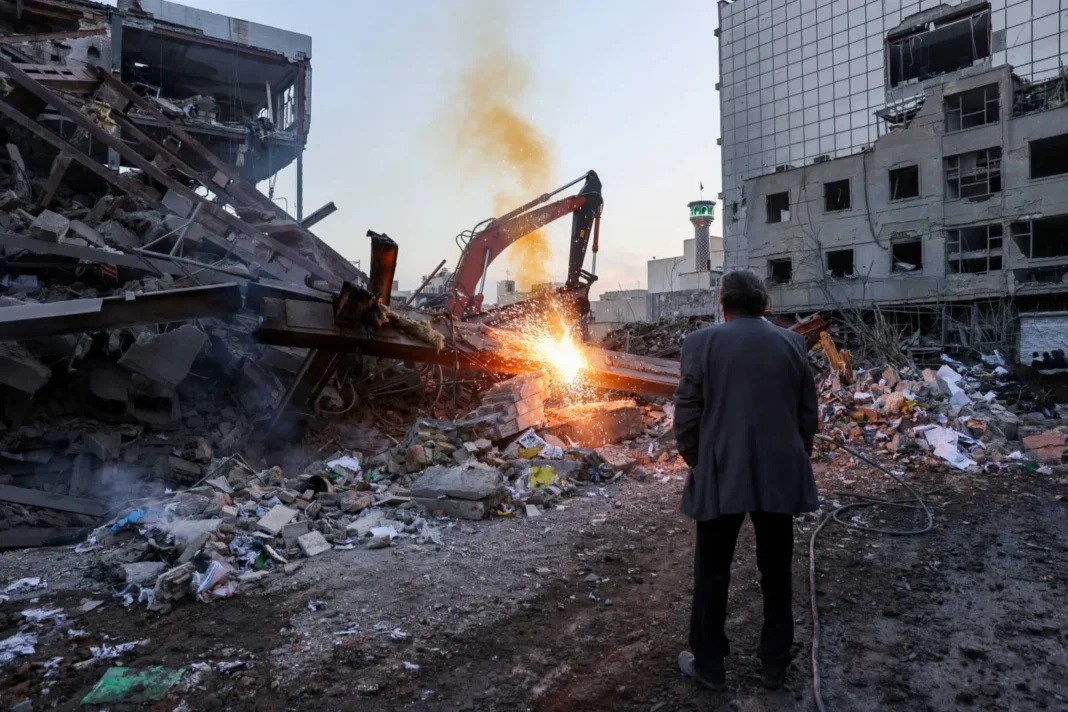
The warning came after an overnight strike reportedly hit a bank in Tehran, which Iranian officials claim killed several employees. Iranian authorities accused the US and Israel of carrying out the attack and called it an “illegitimate act in war.”
In response, Iranian officials stated:
-
Economic centres and financial institutions linked to US or Israeli interests will be considered legitimate targets.
-
People across the region were warned to stay at least one kilometre away from banks, indicating potential future attacks on financial infrastructure.
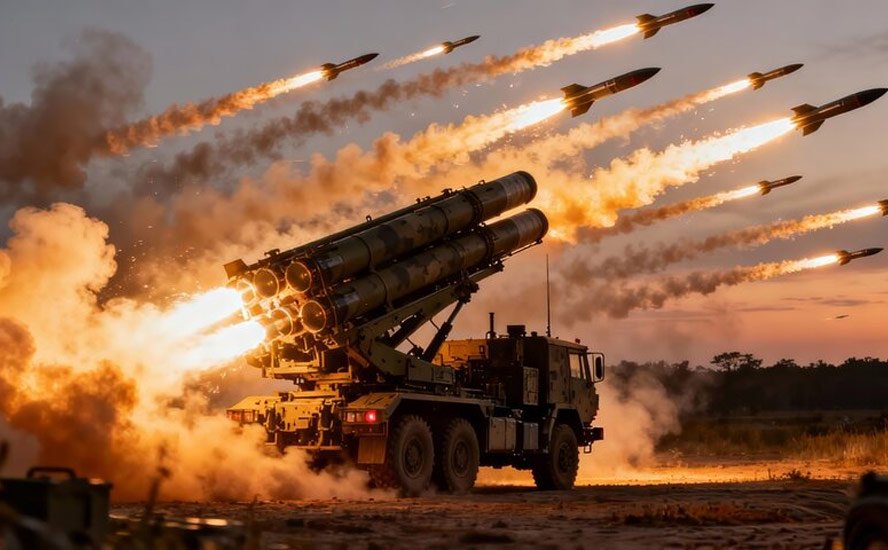
The declaration signals that Iran is broadening the scope of retaliation beyond military bases and energy infrastructure.
Why It Matters

Targeting banks and economic institutions represents a major escalation in modern warfare strategy.
Traditionally, wars focus on military facilities, supply chains, and strategic infrastructure. However, attacks on financial institutions and economic assets can have far wider consequences, including:
-
Disrupting regional banking networks
-
Shaking investor confidence in Gulf financial hubs
-
Triggering economic instability across energy markets
Cities such as Dubai, Manama, and Riyadh, which host major international financial institutions and Western-linked banks, could become indirect pressure points in the conflict.
Such actions could also spread the conflict into the economic domain, impacting multinational corporations and global markets.
Who Benefits Strategically
Iran’s move reflects a classic asymmetric strategy designed to counter US and Israeli technological and military superiority.
By threatening economic assets, Tehran aims to:
-
Raise the economic cost of war for Western allies.
-
Pressure Gulf states hosting Western financial institutions.
-
Expand the battlefield into financial infrastructure and global markets.
Analysts suggest that Iran’s strategy may be to internationalize the consequences of the war, forcing external powers to push for de-escalation.
Risks of an Economic War
If financial infrastructure becomes a battlefield, the risks extend far beyond the Middle East.
Possible consequences include:
-
Financial instability in Gulf banking hubs
-
Cyber attacks on international financial systems
-
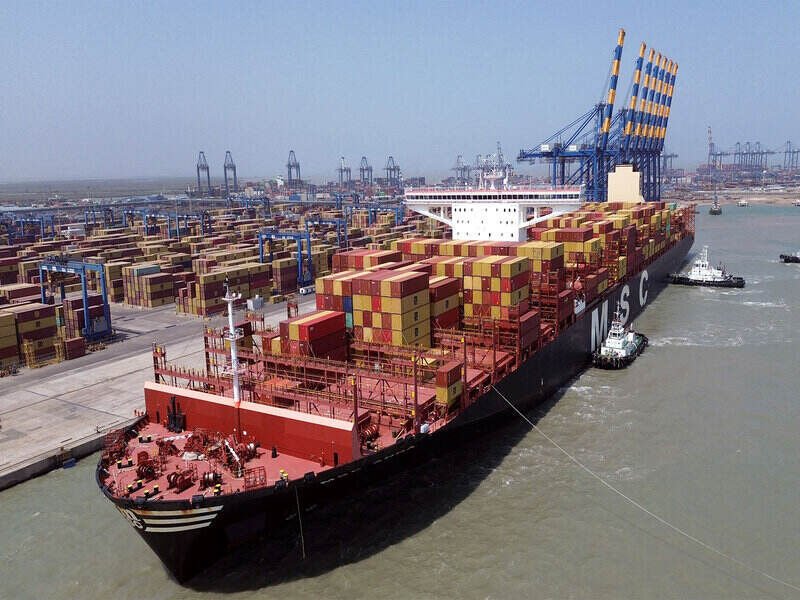
Disruptions to global oil trade and insurance markets
-
Heightened tensions involving multinational corporations
Economic warfare could also blur the line between civilian and military targets, increasing the risk of collateral damage and international backlash.
Long-Term Strategic Implications
Iran’s declaration signals that the current conflict may evolve into a multi-domain war, involving:
If the trend continues, the Middle East could see the emergence of hybrid economic warfare, where banks, tech infrastructure, and financial networks become tools of strategic pressure.
For countries like India, which maintain strong economic ties with both the Gulf and Western financial systems, such escalation could create significant geopolitical and economic ripple effects.