
Strategic Context: The World’s Most Critical Oil Chokepoint
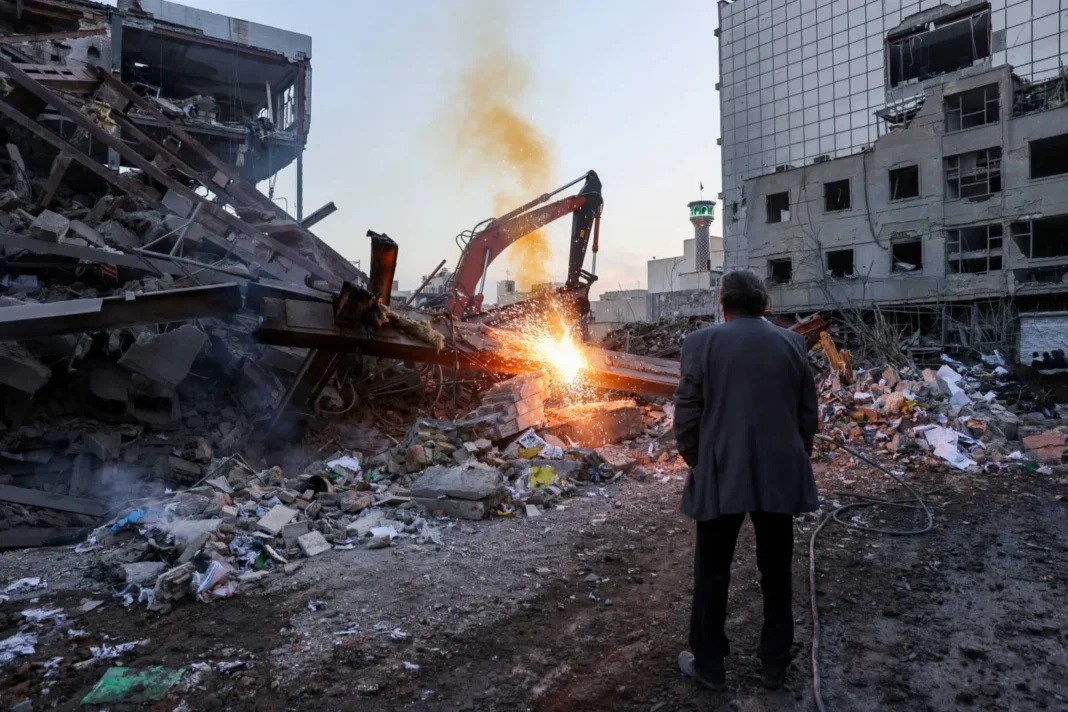
The Strait of Hormuz has once again become the epicenter of global geopolitical tension. As the ongoing war between United States, Israel, and Iran escalates, fears grew that Tehran might completely shut down the strategic waterway — a move that could have crippled global oil markets.
However, Iran’s latest clarification has significantly altered the narrative. Tehran has announced that any restrictions or potential targeting in the Strait will apply only to vessels belonging to the United States, Israel, Europe, and their allies, while neutral countries can continue to use the passage.For major Asian energy importers such as India, this announcement offers crucial strategic breathing room.
What Happened: Iran’s Selective Hormuz Strategy

Iran’s Islamic Revolutionary Guard Corps (IRGC) declared that during wartime it reserves the right to regulate shipping through the Strait of Hormuz. The statement warned that vessels linked to the US, Israel, and their Western allies could be targeted if they attempt to pass through the waterway.
At the same time, Tehran clarified that the strait is not fully closed, contradicting earlier fears of a total blockade. Officials emphasized that Iran intends to keep the route open for neutral or non-hostile countries.This policy effectively transforms the Strait of Hormuz from a global chokepoint into a strategically selective pressure point aimed primarily at Western adversaries.
Why It Matters: Oil Flows and Global Markets
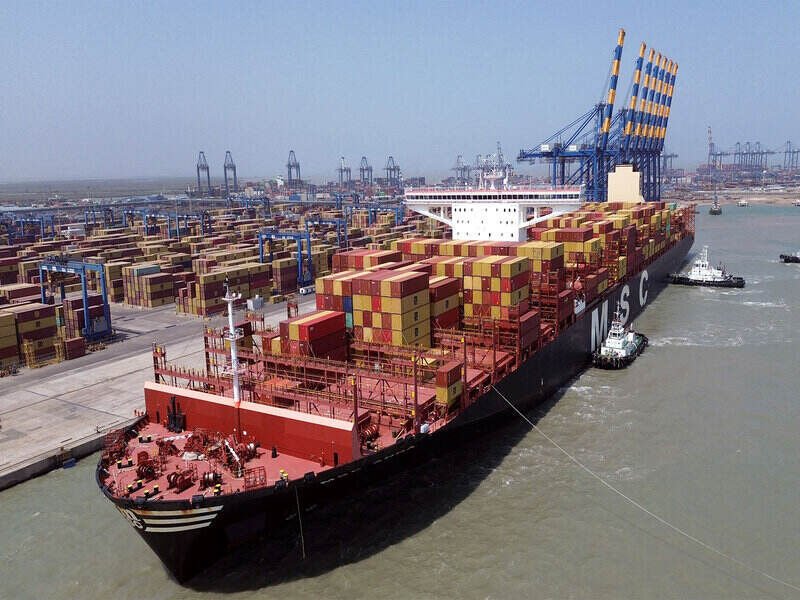
The Strait of Hormuz is one of the most vital maritime corridors in the world. Nearly one-fifth of global oil supply passes through the narrow waterway between the Persian Gulf and the Gulf of Oman.
Since the outbreak of the US–Israel war with Iran, shipping traffic has dropped sharply and oil markets have experienced volatility. Energy companies warn that prolonged disruption could trigger a major global oil shock.
Yet Iran’s selective restriction signals a deliberate attempt to weaponize energy geopolitics without triggering a full-scale global economic crisis.Instead of blocking everyone, Tehran appears to be targeting its direct military adversaries while maintaining trade ties with neutral countries.
India’s Strategic Position: A Critical Energy Lifeline
For India, the Iranian clarification is particularly significant.
Approximately 40% of India’s crude oil imports pass through the Strait of Hormuz, making the route essential for the country’s energy security.
A complete closure of the strait would have forced India to rely on longer and costlier supply routes from Africa or the Americas, driving up domestic fuel prices and inflation.
But Iran’s current stance suggests that Indian tankers are unlikely to be targeted, allowing oil shipments from Gulf producers such as:
-
Saudi Arabia
-
United Arab Emirates
-
Kuwait
-
Iraq
to continue flowing toward Indian refineries.
This aligns with India’s broader diplomatic strategy of maintaining balanced relations across rival blocs — engaging with the US and Israel while also preserving channels with Iran and other regional powers.
Who Benefits — and Who Faces Pressure
Iran’s selective blockade approach creates different geopolitical outcomes:
Beneficiaries
-
Asian energy importers like India and China
-
Gulf oil exporters seeking uninterrupted trade
-
Global markets hoping to avoid a supply shock
Those Under Pressure
-
US and Israeli shipping networks
-
Western maritime insurance markets
-
Allied naval logistics in the Persian Gulf
This tactic allows Iran to raise the cost of Western military intervention without alienating the Global South.
Long-Term Implications: Energy Warfare Without Full Closure
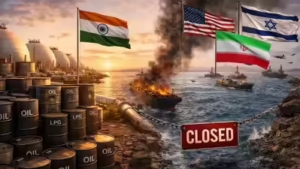
Iran’s policy signals a broader shift toward targeted economic warfare in strategic chokepoints.
Instead of closing the Strait of Hormuz outright — which could provoke global backlash or military escalation — Tehran is experimenting with selective maritime deterrence.
If this model continues, the conflict may redefine how critical shipping routes are used in modern geopolitical conflicts.
For India, the immediate relief may hold — but the larger lesson remains clear:
Energy security in the Indo-Pacific and Middle East will increasingly depend on strategic diplomacy, diversified imports, and maritime security capabilities.
Follow our page @tejwas_ for daily updates.
More from world;