

US Bombing Iran Oil Depot Sends Global Crude Prices Rocketing
Strategic Context
The ongoing US-Israel military campaign against Iran is rapidly transforming from a regional military confrontation into a global energy crisis. Recent airstrikes targeting Iranian oil depots and energy infrastructure have triggered one of the largest oil market shocks in years.
Energy markets reacted immediately. Global crude benchmarks surged sharply as investors priced in the risk of supply disruptions across the Middle East, the world’s most critical oil-producing region.
With tensions escalating and shipping routes under threat, analysts warn the current spike could evolve into a full-scale energy shock reminiscent of the 1970s oil crises.
What Happened

Over the past few days, US-aligned strikes hit oil storage facilities and depots in Iran, igniting massive fires and damaging parts of the country’s energy infrastructure. The attacks came amid the expanding war between Iran and a US-Israel coalition.
Satellite images and on-ground reports showed large plumes of smoke rising from oil facilities near Tehran, indicating severe damage to fuel storage infrastructure.
Energy markets responded instantly:
-
Brent crude briefly surged above $114 per barrel
-
US West Texas Intermediate (WTI) jumped above $110
-
Prices recorded their largest weekly surge in years
This surge reflects fears that the conflict could disrupt production, refining, and global oil transport routes.
Oil markets were already tense after the war intensified earlier in March. Brent crude even touched $119.50 at one point, the highest level since the early stages of the Russia-Ukraine war.
Why Oil Markets Are Panicking

The Middle East sits at the heart of the global energy system. Any major conflict in the region instantly triggers market volatility.
Three key risks are driving the current oil price surge:
1. Threat to the Strait of Hormuz
Roughly 20% of the world’s oil supply passes through the Strait of Hormuz, making it the single most important maritime chokepoint for global energy trade.
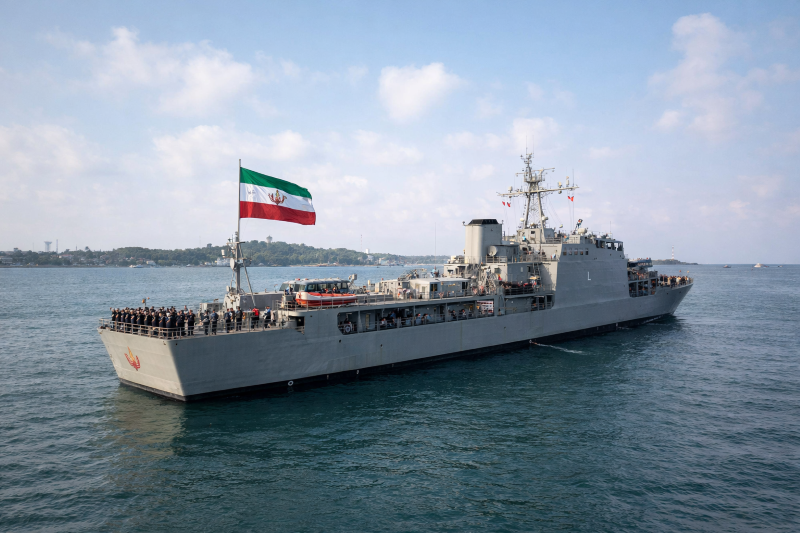
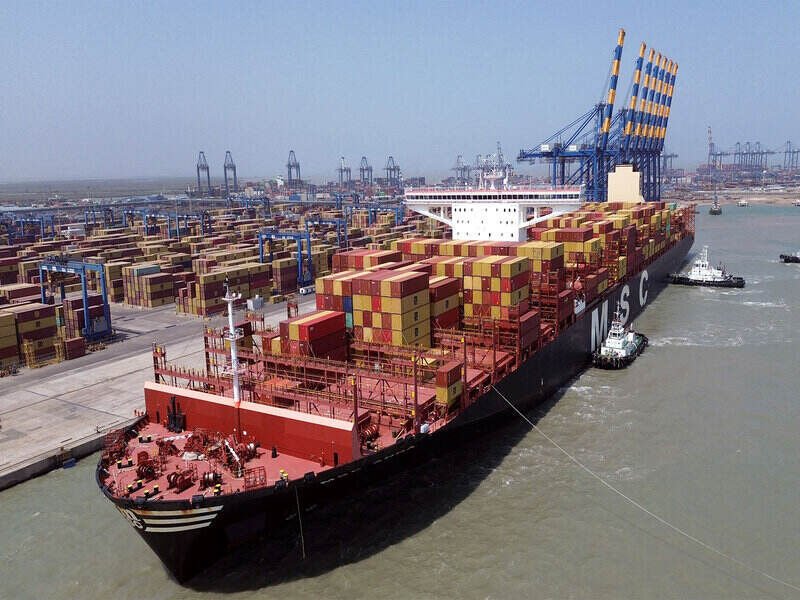
With naval tensions rising and tanker traffic slowing dramatically, markets fear a temporary closure of the strait, which could cripple global supply chains.
2. Damage to Energy Infrastructure
The strikes on Iranian oil depots have raised fears that energy facilities across the Gulf could become targets. Already, attacks and counterattacks have impacted infrastructure across several countries in the region.
3. War Risk Premium
Oil traders are now pricing in a “war premium” — the additional cost added to crude prices during geopolitical crises.
As a result, oil has jumped more than 30% in a single week, marking one of the fastest spikes since the COVID-19 energy market crash.
Who Benefits from the Oil Shock
While the crisis threatens global economic stability, several actors could benefit.
Russia may gain from higher oil prices, boosting its war-time revenues despite Western sanctions.
Major Gulf exporters like Saudi Arabia and the UAE could see windfall profits if exports remain stable while prices surge.
Energy companies worldwide are also experiencing stock market gains as higher crude prices improve profit margins.
Risks for the Global Economy
The oil surge comes at a fragile moment for the global economy.
Higher energy prices typically lead to:
-
Rising inflation
-
Higher transport and manufacturing costs
-
Pressure on emerging economies
-
Increased fuel prices for consumers
Countries heavily dependent on oil imports — including India, Japan, and many European nations — could face significant economic strain if prices remain elevated.
For India, which imports more than 85% of its crude oil, sustained prices above $100 per barrel could widen the fiscal deficit and raise domestic fuel costs.
Long-Term Strategic Implications
The bombing of Iran’s oil infrastructure signals a dangerous escalation in the war’s economic dimension.
If energy facilities across the Gulf become regular targets, the conflict could transform into a global energy warfare scenario, destabilizing markets for months.
Some analysts warn oil prices could even approach $150 per barrel if the conflict widens or if shipping through the Strait of Hormuz remains disrupted.
The coming weeks will therefore determine whether this is a temporary market shock — or the beginning of a prolonged global energy crisis.
Follow our page @tejwas_ for daily updates.
More from world;