
Introduction: A Region on the Brink
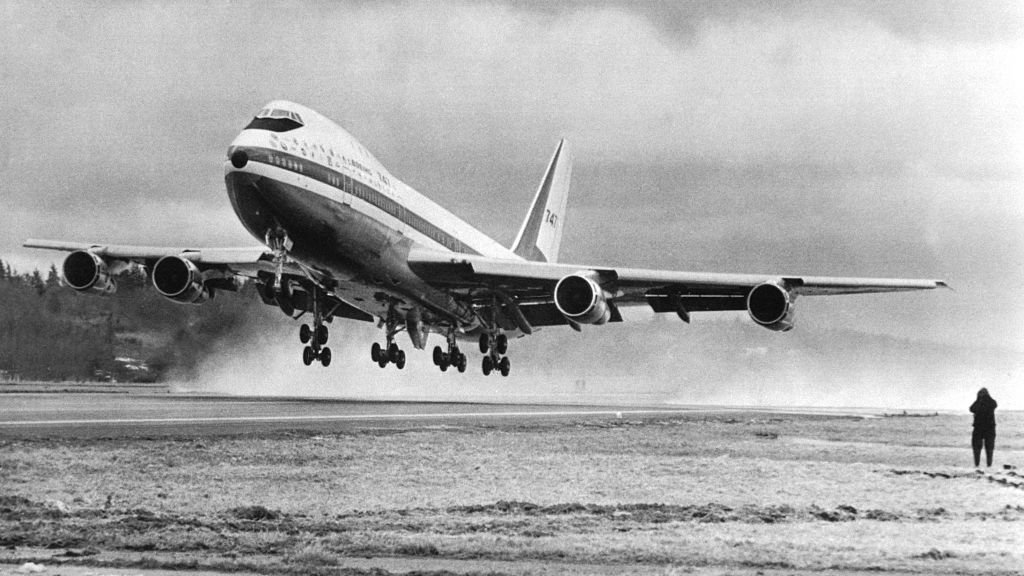
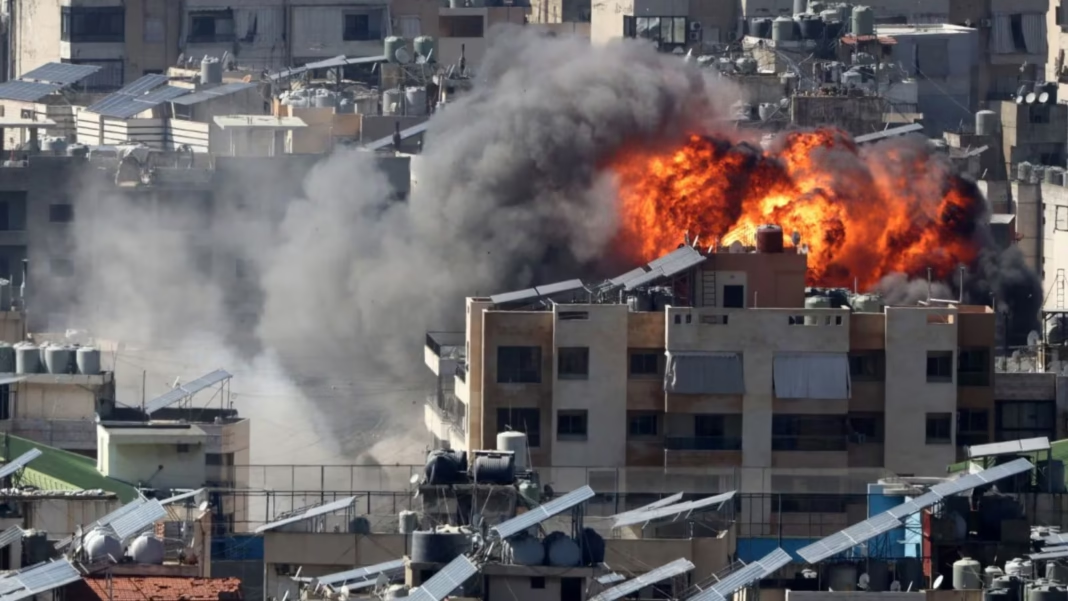
Within hours of each other, two extraordinary military events unfolded that have fundamentally altered the landscape of the Middle East. First, an Iranian ballistic missile struck Prince Sultan Air Base in Al-Kharj, Saudi Arabia — landing within metres of U.S. servicemembers. Then, the United States Air Force responded with precision airstrikes that included the destruction of Iran’s last KC-747 tanker aircraft at Mehrabad International Airport in Tehran.
Taken together, these events represent the most dangerous direct military exchange between the United States and Iran in modern history — and the world is only beginning to reckon with the consequences.
A Timeline of Escalation
The events of recent days did not emerge from a vacuum. Tensions between the United States and Iran have been building for decades, with proxy conflicts across Iraq, Syria, Yemen, and Lebanon serving as the primary battleground. However, the events described here mark a decisive shift — from proxy warfare to direct confrontation.
The Iranian missile strike on Prince Sultan Air Base was a direct attack on a facility hosting thousands of U.S. military personnel. This was not a strike on a proxy force or a regional ally — it was a strike aimed squarely at American servicemembers on Saudi soil. The message from Tehran was clear: we can reach you, wherever you are in the region.
The U.S. response — targeting Iran’s irreplaceable KC-747 tanker deep inside Iranian territory at a major airport — demonstrated that Washington is both willing and capable of striking within Iran’s borders with devastating precision.
The Military Balance: Who Has the Advantage?
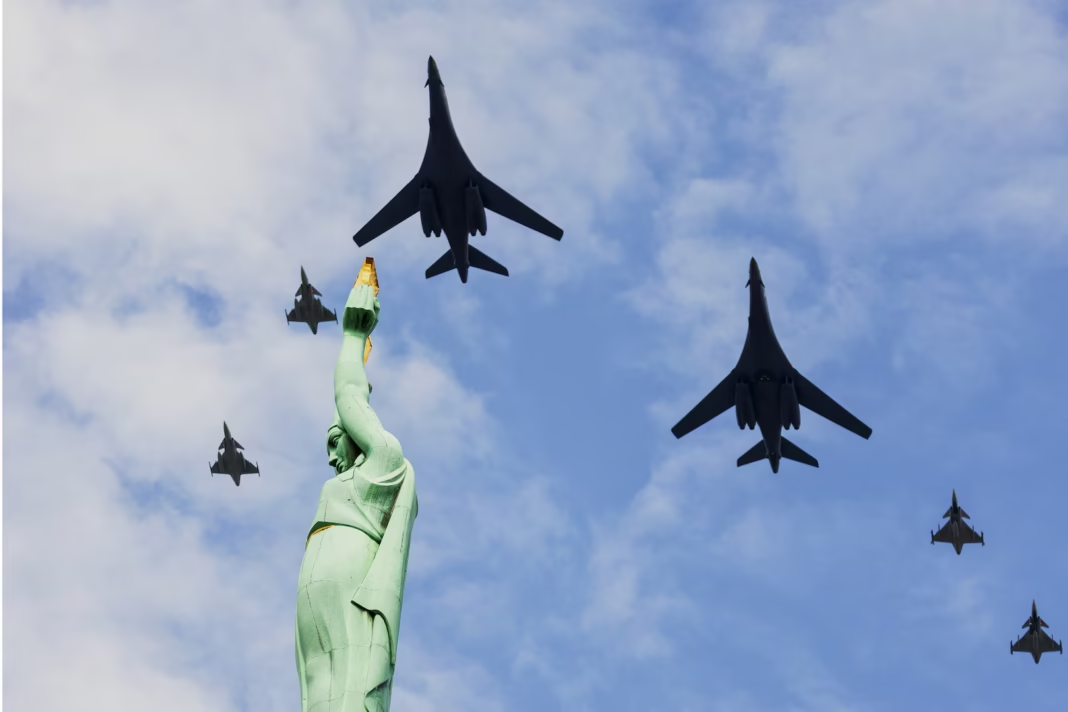
On paper, the United States maintains an overwhelming military advantage over Iran. The U.S. Air Force possesses the world’s most advanced stealth aircraft, precision-guided munitions, and global power projection capabilities. U.S. naval assets in the Persian Gulf, including carrier strike groups, provide a formidable deterrent and offensive platform.
Iran, however, is not a conventional military adversary. Its strengths lie in asymmetric warfare — ballistic missiles, drone swarms, proxy militias, naval mines, and the ability to disrupt global oil shipping through the Strait of Hormuz. The KC-747’s destruction weakens Iran’s conventional air power but does nothing to diminish these asymmetric capabilities.
In a prolonged conflict, Iran’s ability to absorb punishment while retaliating asymmetrically — targeting oil infrastructure, shipping lanes, and U.S. allies across the region — makes it a uniquely dangerous opponent.
Saudi Arabia: Caught in the Crossfire
For Saudi Arabia, the Iranian missile strike on Prince Sultan Air Base is an existential alarm bell. The Kingdom has long relied on U.S. military presence as a strategic deterrent against Iranian aggression. The fact that Iran was willing to strike a base hosting thousands of American soldiers on Saudi soil signals that Tehran no longer fears direct confrontation — even at the risk of triggering a full-scale U.S. military response.
Riyadh faces a difficult choice: double down on its military alliance with Washington and risk becoming the frontline of a U.S.-Iran war, or seek a diplomatic off-ramp that may require painful concessions to Tehran. Neither option is comfortable.
Global Implications: Oil, Shipping and World Markets
Any escalation in the Gulf carries enormous global economic consequences. The Strait of Hormuz — through which approximately 20% of the world’s oil supply passes — is directly in the crosshairs of any U.S.-Iran military conflict. Iranian threats to close or disrupt the strait could trigger a global energy crisis, sending oil prices soaring and destabilising already fragile global markets.
Additionally, the destruction of Iran’s aerial refuelling capability reduces Tehran’s conventional military options but may push Iran toward accelerating asymmetric responses — including potential attacks on Gulf oil infrastructure, tanker shipping, and cyber operations targeting Western financial systems.
Diplomatic Pathways: Is There a Way Back?
Despite the severity of recent events, diplomatic channels have not been entirely severed. Back-channel communications between Washington and Tehran — reportedly facilitated through Omani intermediaries — remain active. European powers have called for immediate de-escalation, and the United Nations Security Council is expected to convene an emergency session.
However, the domestic political constraints on both sides make de-escalation difficult. In Iran, backing down after a direct military exchange would be seen as a sign of weakness by hardliners. In the United States, any appearance of capitulation to Iranian aggression would face fierce domestic political opposition.
Conclusion: A New and Dangerous Chapter
The Iranian missile strike on Prince Sultan Air Base and the U.S. destruction of the world’s last KC-747 in Tehran are not isolated events — they are milestones in a rapidly escalating confrontation that could reshape the Middle East and the global order. Both sides have now demonstrated willingness to strike directly at each other’s military assets. The question is no longer whether a major conflict is possible — it is whether the diplomacy, deterrence, and luck required to prevent one will hold.
The world is watching. And the margin for error has never been smaller.
🔴 The world is at a turning point. Don’t miss a single development. Follow Tejwas for deep-dive analysis, breaking updates, and ground-level reporting on the US-Iran crisis.
Also see-