
Introduction
The Strait of Hormuz has once again become the center of global geopolitics. Amid escalating tensions in the Middle East and disruptions in energy supply routes, Iran is reportedly considering keeping the Strait of Hormuz open for India while restricting access to Western countries. If true, this move could significantly reshape global energy politics and strengthen India’s strategic position in the region.
At the same time, countries like Australia and Canada are offering liquefied natural gas (LNG) supplies to India as the global energy market reacts to the crisis.
Why the Strait of Hormuz Matters
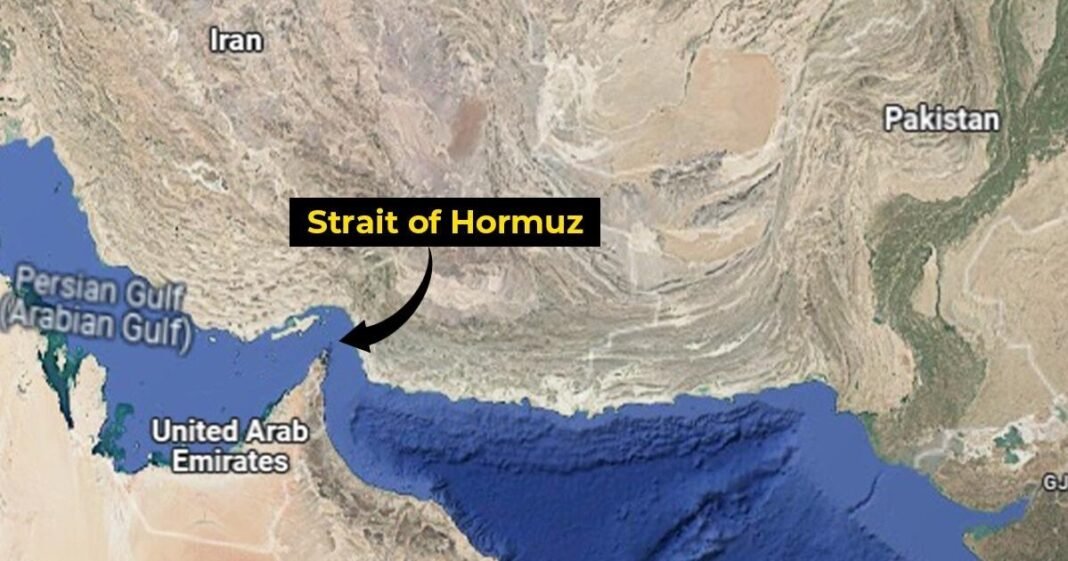
The Strait of Hormuz is one of the most important energy chokepoints in the world. Nearly 20% of global oil and natural gas shipments pass through this narrow waterway between Iran and Oman.
For countries like India, China, Japan, and South Korea, this route is crucial because a large portion of their energy imports comes from the Middle East through this strait.
India in particular is highly dependent on imported energy, with around 88% of its crude oil coming from overseas, much of it transported through this region.
Any disruption in this corridor immediately affects global oil prices and energy security.
The 2026 Strait of Hormuz Crisis
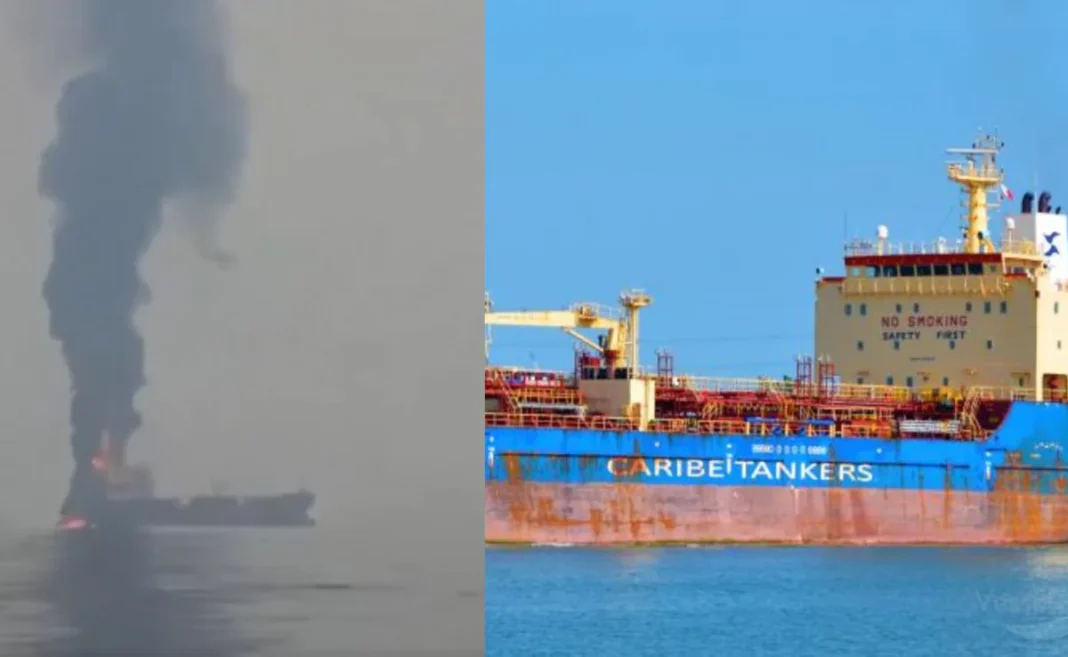
The current tensions began after joint military strikes by the United States and Israel on Iranian targets, triggering retaliation from Tehran. Iran’s Revolutionary Guard warned ships against passing through the Strait of Hormuz, causing shipping disruptions and forcing major global shipping companies to suspend transit through the region.
As a result:
-
Oil prices surged globally
-
Tankers were stranded in the Persian Gulf
-
Shipping routes were disrupted
-
Energy markets experienced major volatility
This crisis has created a massive ripple effect across the global economy.
Why Iran Might Favor India
Despite the tensions with the West, Iran maintains relatively stable diplomatic ties with India. There are several strategic reasons why Tehran could prioritize India:
1. Energy Partnership
India has historically been a major buyer of Iranian oil and remains an important potential customer in the future.
2. Strategic Connectivity Projects
Iran and India are partners in multiple regional connectivity initiatives such as the International North–South Transport Corridor (INSTC), which aims to link India with Russia and Europe via Iran through a 7,200-km multimodal trade network.
These projects strengthen economic cooperation between the two countries.
3. Chabahar Port Advantage
India has also invested in Iran’s Chabahar Port, which provides a strategic gateway to Central Asia and Afghanistan while bypassing Pakistan.
This port is considered a critical pillar of India’s regional trade strategy.
Australia and Canada Enter the Energy Game
While the Middle East faces instability, other energy exporters are moving quickly to capture market opportunities.
Countries like Australia and Canada are reportedly offering LNG supplies to India to compensate for potential disruptions in Middle Eastern shipments.
This development signals a major shift in global energy geopolitics where energy trade alliances are rapidly evolving.
Russia Could Also Increase Supplies
Russia has also indicated it may redirect more crude shipments to India to offset disruptions caused by the Hormuz crisis.
India has already become one of the largest buyers of discounted Russian oil since the Ukraine war, making Moscow a key energy partner.
The Bigger Geopolitical Picture
The Strait of Hormuz crisis highlights a growing geopolitical reality: energy supply chains are increasingly weaponized in global conflicts.
Control over critical maritime chokepoints like Hormuz gives countries enormous strategic leverage. For India, maintaining balanced relations with major powers — including Iran, Russia, and Western nations — will be crucial to safeguarding its energy security.
If Iran truly prioritizes India’s passage through the strait, it could represent a major diplomatic win for New Delhi and reinforce India’s emerging role as a strategic power in Eurasian geopolitics.
Conclusion
The Hormuz crisis is not just about oil shipments — it is about power, alliances, and the future of global energy routes.
As tensions escalate in the Middle East, India’s diplomatic balancing act may prove to be one of its greatest strategic strengths. Whether through Iranian cooperation, Russian supplies, or LNG imports from Western allies, New Delhi appears determined to ensure that its energy lifelines remain secure.
For more sharp breakdowns on global conflicts, strategy, and power politics — follow TEJWAS.
Also see-