
A Regional Conflict with Global Ripples
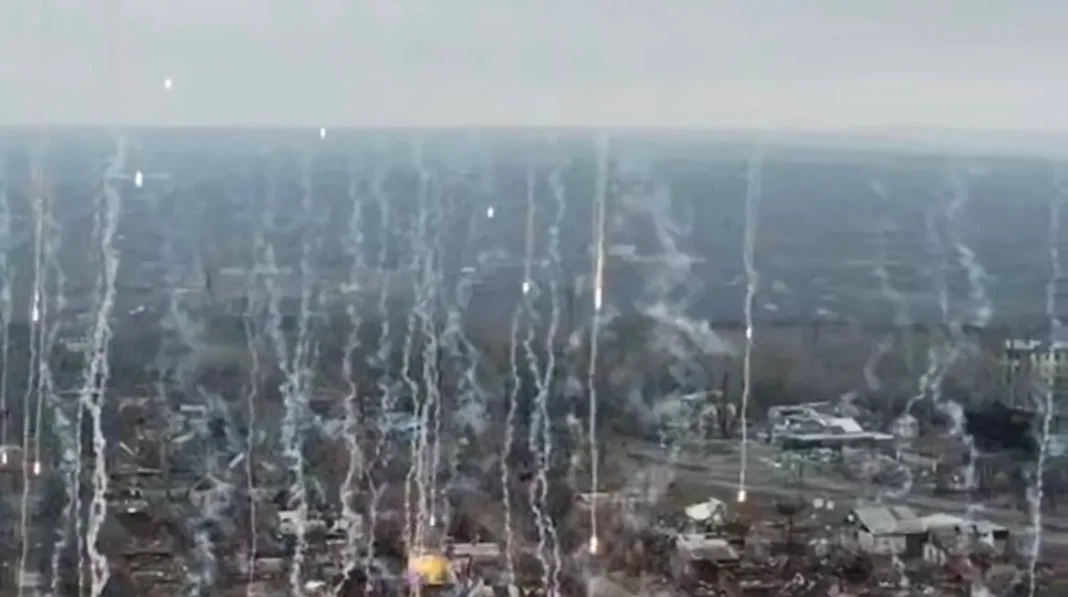
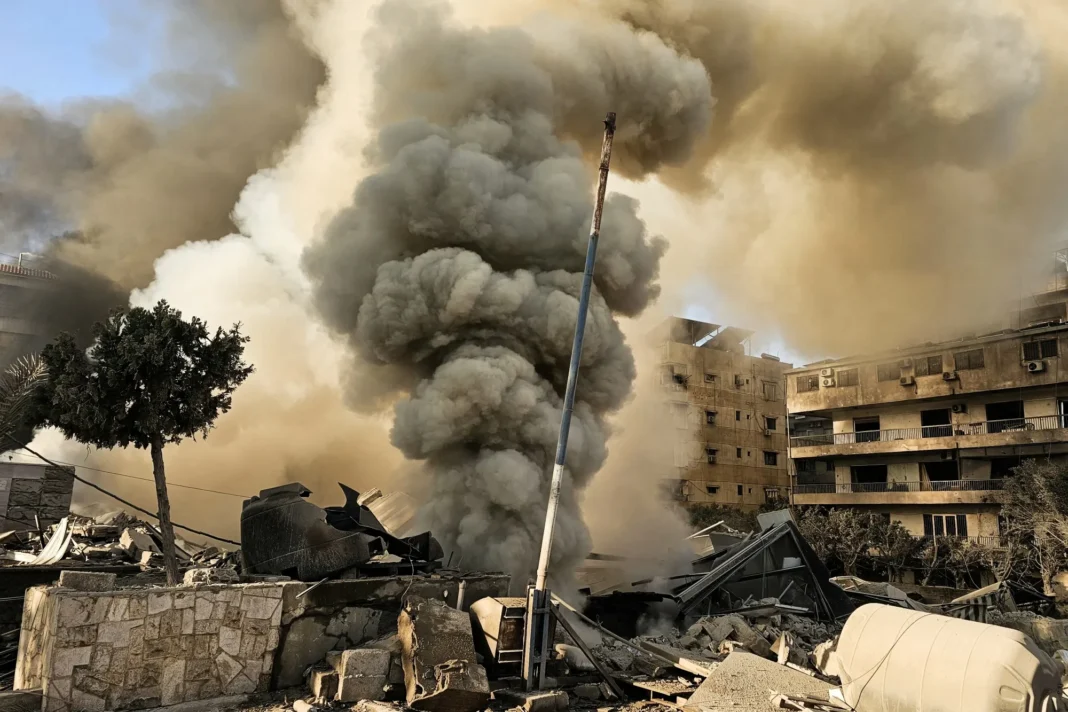
The Middle East has erupted into open conflict following coordinated strikes by the United States and Israel against Iran, part of a broader confrontation over Tehran’s nuclear programme and regional behaviour. Iran’s retaliatory missiles and drone attacks have targeted military positions across the Gulf and beyond, including a strike on the UK’s RAF base in Akrotiri, Cyprus, which, though causing minimal damage, brought the conflict closer to British national territory.
Against this backdrop, the UK government must balance strategic alliances, legal constraints, public sentiment, and national security interests — sparking fears in Westminster and among the public of being dragged into a war that began far from British shores.
Government Position: Caution, Conditional Support, and Defensive Focus
UK Prime Minister Keir Starmer has been clear that Britain will not participate in offensive military action against Iran alongside the United States and Israel. He has repeatedly cited lessons from the 2003 Iraq War — a conflict that still haunts British political memory — and emphasised the need for any action to have a clear legal basis.Instead, London has taken a cautious, defensive-oriented approach:
-
Permission for the U.S. to use British military bases (including RAF sites and Diego Garcia) for targeted, defensive strikes specifically against Iranian missile launchers and storage sites — a limited role that stops short of offensive engagement.
-
A refusal to allow British planes to take part directly in strikes on Iranian cities or infrastructure, maintaining a legal and public distinction between defensive and offensive operations.
-
Statements affirming the UK is not at war despite hosting U.S. operations from British soil and facing retaliatory attacks.
Foreign Secretary Yvette Cooper has repeatedly defended this posture, arguing that UK actions are focused on protecting British citizens and allies in the Gulf — where an estimated 300,000 Britons reside or are travelling — and that the operation is not a broader military alliance in combat.
Roots of the Fear: Iraq War Echoes and Legal Concerns
The Iraq War legacy still deeply shapes UK public opinion and political thinking. That conflict, initiated under controversial legal justification, cost hundreds of British lives and left long-lasting questions around foreign policy judgment. Many MPs and commentators in the UK now fear a repeat scenario: being caught in a conflict not of their making due to alliance pressure or strategic miscalculation.Critics in Parliament and the media argue that even defensive support could quickly broaden into active engagement, especially if Iranian strikes continue or expand to target Western forces and assets in the region. Some legal experts point to unresolved questions about whether defensive actions — even limited base access — could draw the UK into deeper hostilities without proper UN authorisation.
Domestic Political Backlash and Public Anxiety
Starmer’s decisions have triggered backlash from both ends of the political spectrum:
-
Some conservative voices urge stronger alignment with U.S. policy, emphasising deterrence and collective security.
-
Opposition parties and civil groups criticise what they see as tacit participation in an expanding war without full parliamentary scrutiny.
-
The public, especially families and military veterans, express anxiety over the possibility of British casualties and entanglement in a distant Middle Eastern conflict.
Commentators note that even defensive cooperation with the United States can entangle the UK in strategic obligations that are difficult to unwind once hostilities broaden
Regional Fallout and Practical Risks

The conflict’s effects have already reached beyond the battlefield:
-
International airspace closures and cancelled flights have disrupted travel and commerce, affecting British travellers and trade.
-
Plans for mass evacuations of British citizens from the Gulf underscore the human and logistical cost of this crisis.
-
Tehran’s accusations that the UK is “actively participating in aggression” fuel diplomatic tensions and complicate efforts at de-escalation.
These developments highlight the real-world risk that peripheral involvement can swiftly escalate into deeper commitments.
Conclusion: Between Alliance and Autonomy
The UK’s fear of being drawn into a war with Iran reflects a broader strategic dilemma: how to uphold commitments to security partners like the United States while avoiding the legal, moral, and human costs of full-scale war.Starmer’s government aims to thread a narrow needle — offering defensive support without offensive participation — but uncertainty in conflict zones, political pressures, and volatile Iranian responses mean that this situation remains delicate.As the crisis unfolds, how London navigates this tightrope may well define UK foreign policy for years to come — and whether it truly has learned the lessons of past conflicts.
Follow our page @tejwas_ for daily updates.
More from world;