

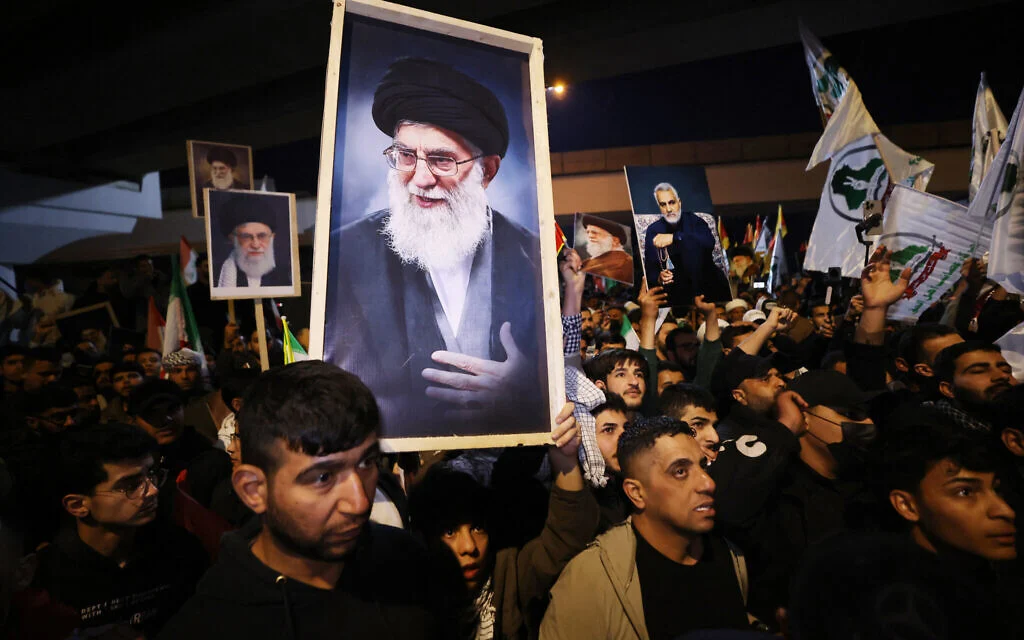
Who Was Ayatollah Ali Khamenei?
Ayatollah Ali Khamenei, 86, had been Iran’s Supreme Leader since 1989, holding the highest authority in the Islamic Republic’s political, religious, and military hierarchy. As successor to Ayatollah Ruhollah Khomeini, Khamenei shaped Iran’s domestic and regional policies for more than three decades, steering its hardline foreign policy and overseeing a powerful network of military, intelligence, and proxy forces across the Middle East.Under his leadership, Iran faced decades of conflict with the United States and Israel over issues such as nuclear enrichment, support for proxy militias, and its role in regional geopolitics.
Confirmation of Death

Iranian state television and major state news agencies reported that Khamenei died early Sunday following intensive military action by U.S. and Israeli forces. Tehran declared a 40-day national mourning period, with official broadcasts referring to him as a martyr and announcing public holidays for mourning ceremonies.
Reports indicate that Khamenei was at his compound in Tehran when the attack occurred, and that the strike caused significant damage and casualties among senior leadership ranks.
Context of the Joint US-Israeli Operation

The confirmed death comes amid a broader military campaign by the United States and Israel against Iran’s strategic and military infrastructure. Leaders in Washington and Jerusalem described the operation as aimed at dismantling what they characterized as a persistent threat stemming from Iran’s nuclear ambitions and regional proxy networks.
U.S. officials framed the action as a decisive move to weaken Iran’s capability to project power across the region. Israeli statements described the attack as highly targeted, striking key command and defence installations.
Domestic and Regional Repercussions

Khamenei’s death sets off a constitutional and political reckoning in Iran. The country’s Assembly of Experts — a clerical body responsible for selecting the next Supreme Leader — will now face the task of naming his successor at a time of intense internal and external pressure.
Officials from the Islamic Revolutionary Guard Corps (IRGC) have vowed severe reprisals against those they hold responsible, signaling that Tehran may escalate its military response in the coming days.
The regional balance of power may be tested as Gulf states, NATO allies, and global markets watch closely for any spillover effects. Middle Eastern capitals have already seen heightened security measures as tensions rise.
What This Means for the Middle East
The death of Ayatollah Khamenei is a watershed moment for the Islamic Republic and the broader Middle East. It removes a central figure in Iran’s modern political order and introduces uncertainty at a time of ongoing military conflict. Analysts warn that:
-
Iran’s internal power structures may be in flux, as rival factions jostle for influence.
-
Iranian retaliation could intensify, particularly by the IRGC and allied militias.
-
Global energy markets remain on edge given the strategic importance of the region’s oil routes.
-
Diplomatic efforts to de-escalate may face steep challenges amid rising nationalist sentiments.
Conclusion
The confirmation of Ayatollah Ali Khamenei’s death after joint US-Israeli military strikes represents a defining moment in the history of Iran and Middle Eastern geopolitics. As Iran mourns and prepares for a leadership transition under extraordinary circumstances, the region watches with profound concern over the next phase of this conflict and its long-term impact on peace, security, and international relations.
Follow our page @tejwas_ for daily updates.
More from world;