
🌍 Introduction
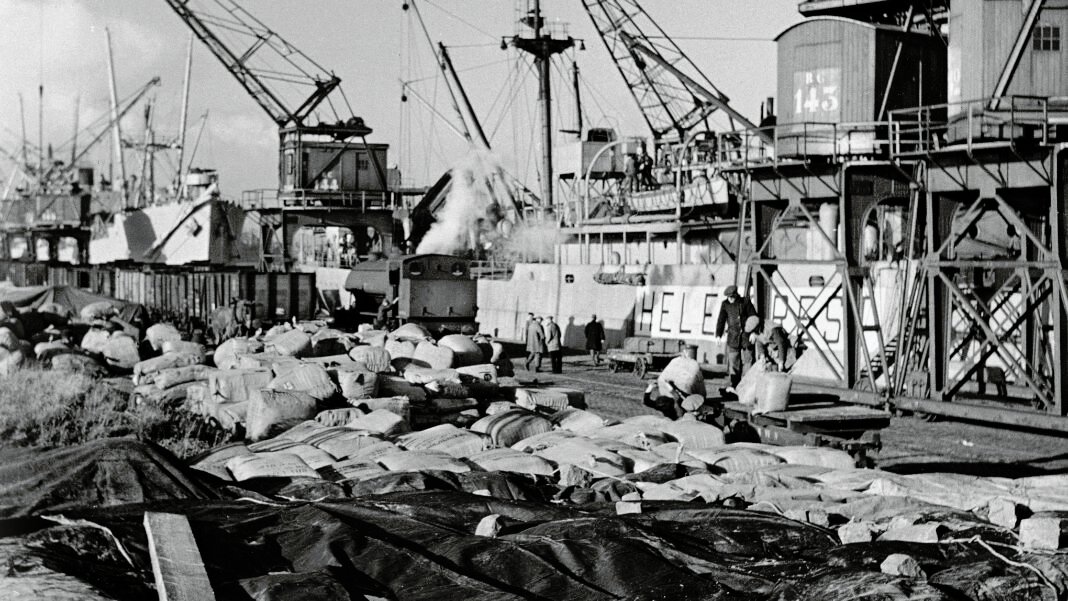
Wars are often remembered for dramatic battles and frontline clashes, but history consistently shows that logistics and supply chains determine victory or defeat. Modern conflicts have reinforced an old truth: armies fight on the frontlines, but wars are won or lost far behind them.
🚚 What Military Logistics Involves
Military logistics includes:
-
Transportation of troops and equipment
-
Supply of ammunition, fuel, and food
-
Maintenance and repair of weapons systems
-
Medical evacuation and support
Without reliable logistics, even the most advanced forces become ineffective.
⚔️ Logistics as a Strategic Weapon
Disrupting supply chains can:
-
Halt offensive operations
-
Reduce combat readiness
-
Force strategic withdrawals
Targeting logistics hubs, depots, and transport routes has become a priority in modern warfare.
🧠 Complexity of Modern Supply Chains
Today’s militaries depend on:
-
Global manufacturing networks
-
Advanced technology components
-
Just-in-time delivery systems
This interconnectedness increases efficiency but also creates vulnerabilities during conflict.
🌍 Role of Infrastructure
Roads, railways, ports, and airfields are critical wartime assets. Damage to infrastructure limits mobility, slows reinforcements, and complicates humanitarian aid delivery.
⚠️ Adaptation and Resilience
To counter logistical challenges, armed forces focus on:
-
Redundant supply routes
-
Stockpiling essential resources
-
Rapid repair capabilities
-
Civil–military coordination
Resilient logistics systems enhance endurance in prolonged conflicts.
🌐 Strategic Implications
Logistics shapes strategic decision-making by influencing:
-
Duration of conflicts
-
Scale of military operations
-
Ability to sustain alliances
It often determines whether military objectives are achievable.
🔍 Looking Ahead
As warfare becomes more technologically complex, logistics will grow even more critical. Future conflicts will test not just firepower but the ability to sustain operations over time.