
🌍 Introduction
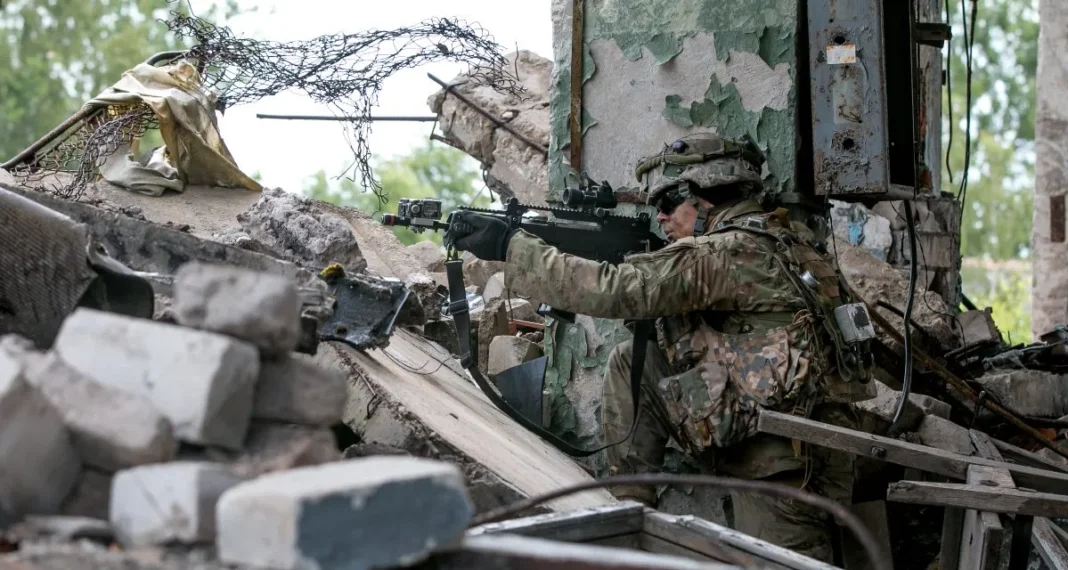
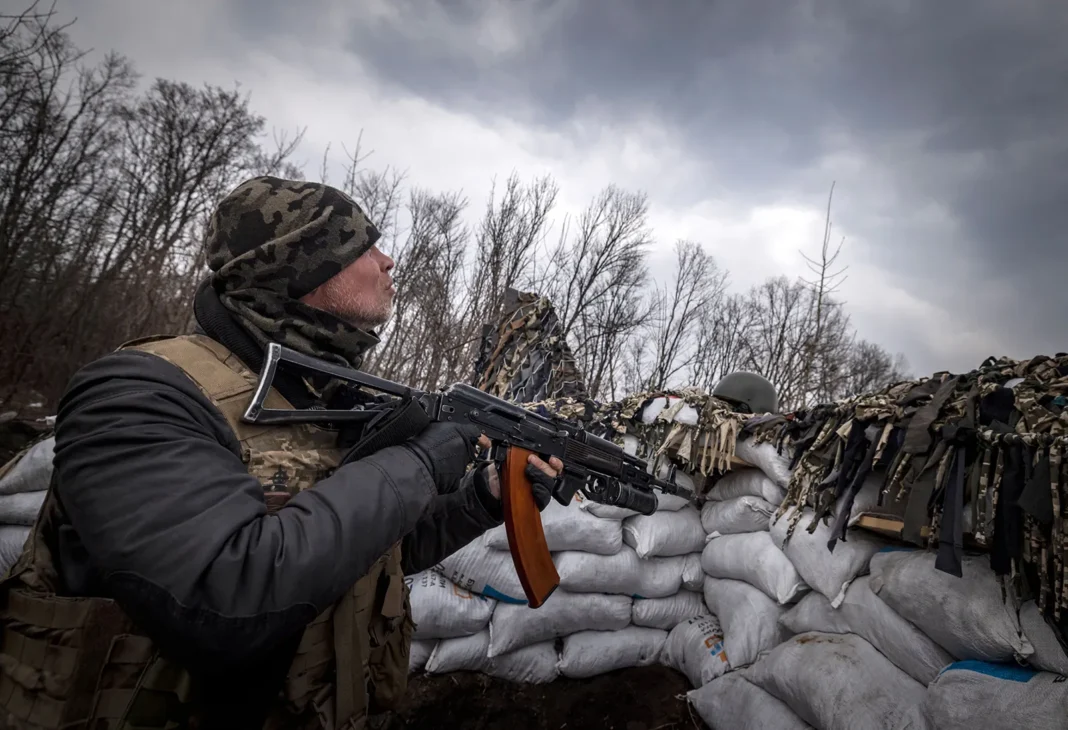
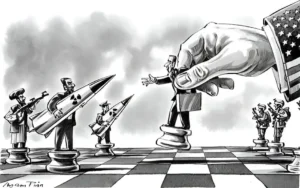
Direct wars between major powers have become increasingly rare, but global conflicts have not diminished. Instead, competition has shifted toward proxy wars, where powerful states pursue strategic objectives indirectly by supporting allied governments, militias, or non-state actors. This form of warfare allows influence to be expanded while avoiding direct military confrontation.
🧩 What Is a Proxy War?
A proxy war occurs when:
-
External powers provide military, financial, or political support
-
Local actors conduct the actual fighting
-
Major powers avoid direct engagement
These conflicts often last longer and are harder to resolve due to overlapping interests.
⚔️ Why Major Powers Use Proxy Wars
Proxy wars offer several advantages:
-
Reduced risk of escalation
-
Lower domestic political costs
-
Strategic influence without formal war declarations
They allow powers to test weapons, strategies, and alliances under real combat conditions.
🌍 Characteristics of Modern Proxy Conflicts
Recent proxy wars often involve:
-
Advanced weapons systems
-
Intelligence sharing and training
-
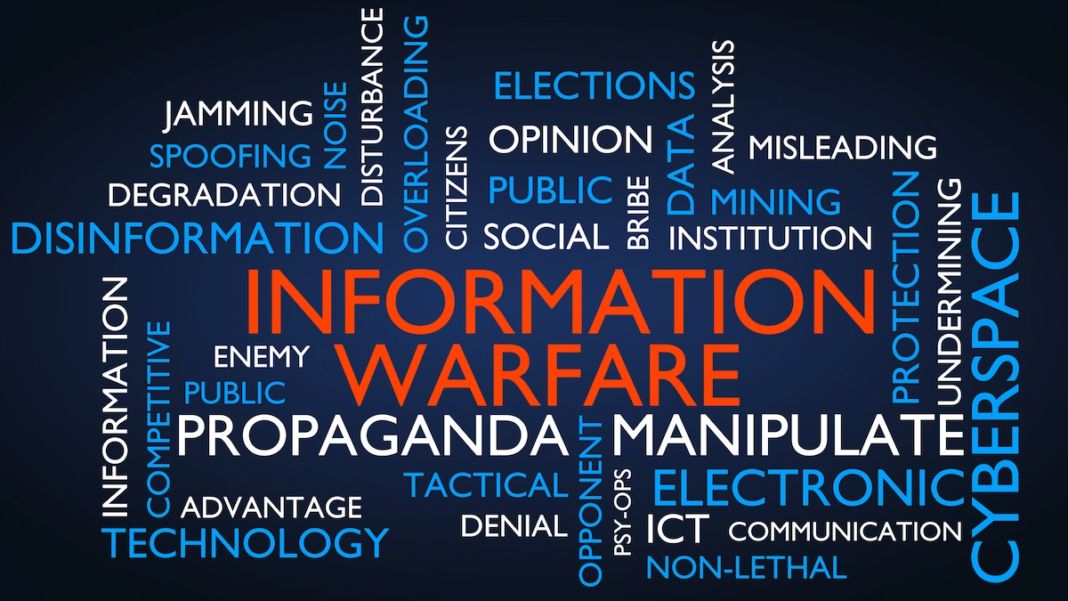
Information and cyber warfare
-
Competing foreign sponsors
This complexity blurs lines between local and global conflicts.
🌆 Impact on Conflict Zones
For affected regions, proxy wars result in:
-
Prolonged instability
-
Civilian casualties and displacement
-
Fragmented governance
-
Economic collapse
Local populations often bear the heaviest costs of external rivalries.
🌐 Challenges to Peace and Resolution
Proxy wars complicate peace efforts because:
-
External sponsors may resist compromise
-
Multiple actors pursue conflicting goals
-
Accountability becomes diffused
Ending such conflicts requires diplomatic engagement beyond local parties.
🔍 Looking Ahead
As global competition intensifies, proxy wars are likely to remain a preferred method of conflict. Understanding their dynamics is essential to anticipating future war zones and geopolitical shifts.