
🌍 Introduction
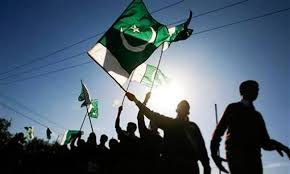
Pakistan has been experiencing prolonged political instability marked by leadership transitions, contested electoral outcomes, economic pressures, and civil–military tensions. As a strategically important country in South Asia, internal developments in Pakistan have consequences that extend beyond its borders, influencing regional security and diplomatic dynamics.
🏛️ Roots of Political Instability
Pakistan’s political challenges stem from a combination of factors:
-
Frequent changes in civilian leadership
-
Persistent role of the military in governance
-
Weak institutional continuity
-
Economic stress and inflation
These structural issues have created cycles of uncertainty and governance disruption.
⚖️ Civil–Military Relations
Civil–military relations remain a defining feature of Pakistan’s political landscape. Tensions between elected governments and the military establishment have often influenced policy direction, political stability, and international relations.
This dynamic complicates democratic consolidation and long-term strategic planning.
🌍 Economic Pressures and Public Discontent
Rising debt, currency instability, and reliance on external financial support have intensified public dissatisfaction. Economic stress amplifies political polarization and limits the government’s ability to pursue consistent domestic and foreign policies.
🌐 Regional Security Implications
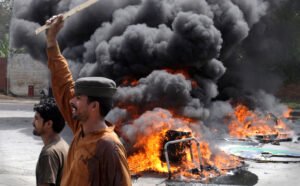
Pakistan’s instability affects:
-
Border management and internal security
-
Counterterrorism coordination
-
Regional trade and connectivity projects
-
Diplomatic engagement with neighboring states
Uncertainty in Pakistan’s political direction creates challenges for regional planning and cooperation.
🌏 International Relations Impact
Pakistan’s foreign relations are influenced by domestic developments, shaping:
-
Engagement with global financial institutions
-
Strategic partnerships
-
Diplomatic credibility
Stable governance is essential for sustained international cooperation.
🔍 Looking Ahead
Pakistan’s ability to navigate political reform, economic recovery, and institutional balance will be crucial not only for its own stability but also for broader South Asian geopolitics.